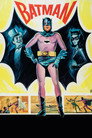
The Big Store
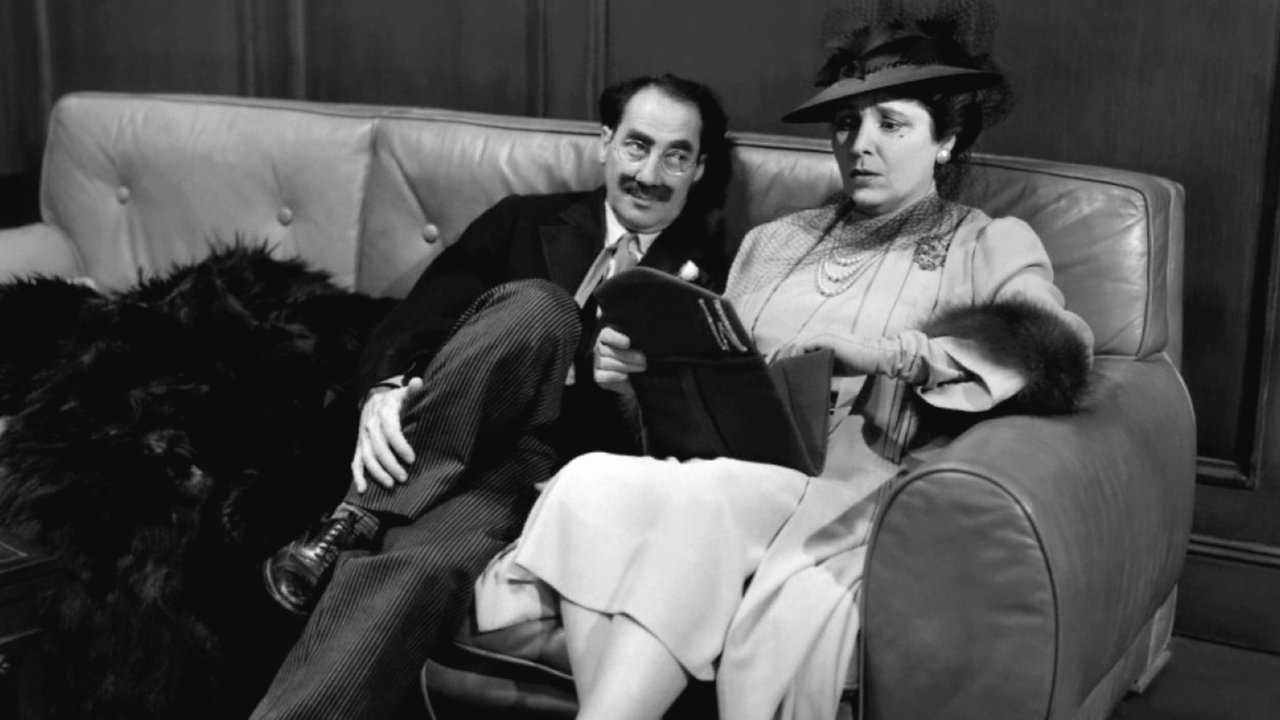
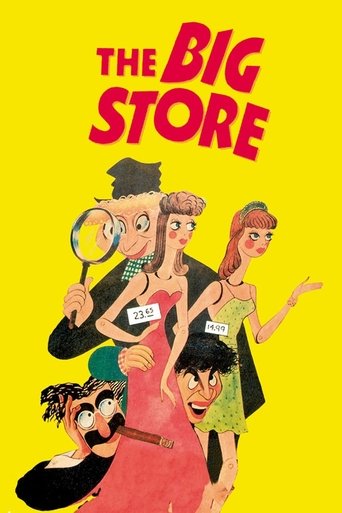
The Marx Brothers' final MGM outing, a department store caper where Groucho regularly turns to the camera to share a wink or a quip, cementing the vaudevillian tradition of direct address.
Chain
It began with a gun, a bullet, and an audience leaping out of their seats. When Justus D. Barnes leveled his revolver at the camera in The Great Train Robbery (1903) and pulled the trigger, he did more than just shock a room full of turn-of-the-centu
It began with a gun, a bullet, and an audience leaping out of their seats. When Justus D. Barnes leveled his revolver at the camera in The Great Train Robbery (1903) and pulled the trigger, he did more than just shock a room full of turn-of-the-century filmgoers. He blew a hole straight through the invisible barrier between spectator and screen.
For decades, classic Hollywood worked tirelessly to patch that hole up. Cinema was meant to be a dark room with a magic window: you watch, they perform, nobody looks back. But a few cheeky renegades couldn't resist peeking through the glass. Buster Keaton and the Marx Brothers turned the camera gaze into a conspiratorial wink, bringing vaudeville's audience-tickling antics to the big screen and establishing the silver screen’s oldest comedy cheat code.
By the 1960s, the art-house crowd weaponised the look. Jean-Luc Godard hit the accelerator in Breathless (1960), sending Jean-Paul Belmondo speeding down a highway, staring right into the lens, and telling the audience to go to hell if they did not like the countryside. Direct address ceased to be a simple gag and became full-blown rebellion. Ingmar Bergman went one step further in Persona (1966), burning the actual physical film stock on screen to remind you that you were staring at a light show engineered by a Swede with an existential crisis.
Hollywood eventually stole the trick back, softening its sharp edges for mainstream crowds. Woody Allen turned the camera into an interactive therapist’s couch in Annie Hall (1977), famously pulling Marshall McLuhan out from behind a lobby cardboard cutout to destroy a pretentious cinema pundit. It was clever, snappy, and proved that stepping out of the frame could deliver pure comedic catharsis.
Then came the dark side. In 1997, Michael Haneke took the fourth wall and turned it into an interrogation room. Funny Games remains one of cinema's most ruthless provocations: a home-invasion thriller where the killer turns to the camera, winks at the viewer, and later grabs a TV remote to physically rewind the movie when an antagonist gets shot. Haneke wasn't just breaking the wall; he was pointing at the audience and accusing them of bloodlust for buying a ticket in the first place.
Today, the fourth-wall break is no longer an art-house experiment or a subversive threat. It is a multi-billion-pound franchise engine. The Big Short (2015) used Margot Robbie in a bubble bath to explain subprime mortgages directly to the camera, while Deadpool turned self-aware studio banter into a superhero superpower. What started as an unwritten rule of silent cinema has become the ultimate modern blockbuster flex: looking the audience dead in the eye and letting them in on the joke.
The Marx Brothers' final MGM outing, a department store caper where Groucho regularly turns to the camera to share a wink or a quip, cementing the vaudevillian tradition of direct address.
The Big Store → Tom Jones
The Link
Where the Marx Brothers used direct address for gags, Tom Jones elevates it to a narrative device, inviting the audience into the story's ribald humour and making them complicit in Tom's escapades.
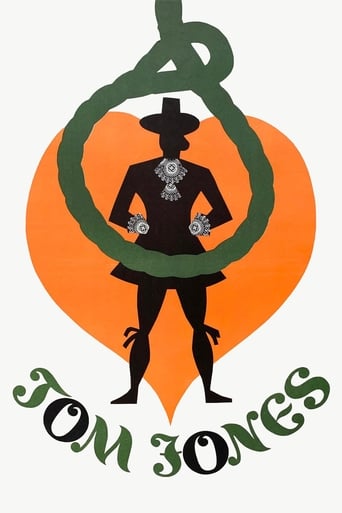
Tony Richardson's bawdy adaptation of Fielding's novel, where Albert Finney's title character breaks the fourth wall with a knowing glance, and the film's narrator (Michael MacLiammoir) guides us through the picaresque plot with a mischievous wink.
Tom Jones → Monty Python and the Holy Grail
The Link
Following Tom Jones's playful narrator, Monty Python pushes the device into full absurdity, using the break not just for a wink but to dismantle the entire medieval fantasy genre.
The Pythons' anarchic Arthurian spoof, which gleefully shatters the fourth wall with a modern-day historian, a narrator who gets killed, and a finale that invades the present day.
Monty Python and the Holy Grail → The Purple Rose of Cairo
The Link
From the Pythons' anarchic chaos, Allen takes the fourth wall break into the realm of emotional longing, making the breach literal and poignant, and exploring the human need for escape.
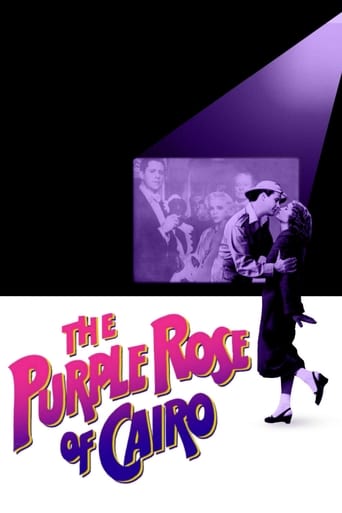
Woody Allen's bittersweet fantasy about a Depression-era waitress (Mia Farrow) whose favourite film character (Jeff Daniels) steps off the screen, blurring the line between fiction and reality with profound consequences.
The Purple Rose of Cairo → Funny Games
The Link
Where Allen used the break for warmth, Haneke weaponises it, turning the audience into unwilling accomplices and forcing a confrontation with our own voyeurism.
Michael Haneke's chilling home-invasion thriller, where one of the tormentors (Arno Frisch) repeatedly addresses the audience directly, implicating us in the on-screen violence and challenging our appetite for it.
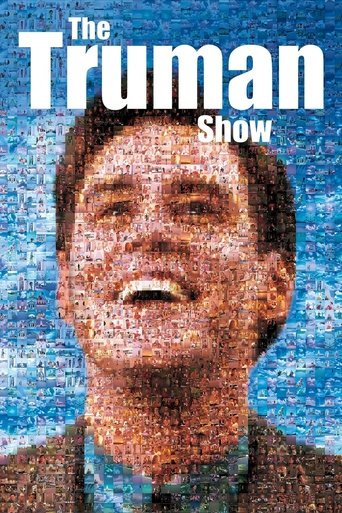
Funny Games → The Truman Show
The Link
Haneke's aggressive address finds a gentler but equally profound echo here, as Truman's discovery of his audience becomes a metaphor for self-awareness and the desire for authenticity.
Peter Weir's prescient satire starring Jim Carrey as a man whose entire life is a live broadcast, unaware that his reality is a constructed set, until he begins to notice the cracks and ultimately addresses the camera in a moment of liberation.
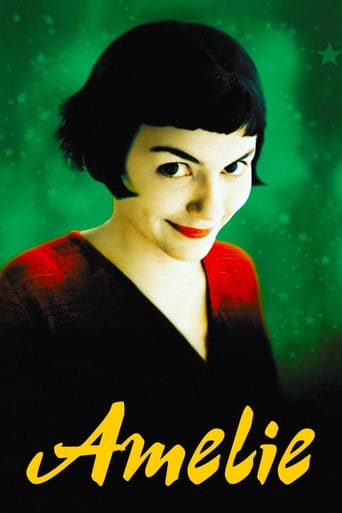
The Truman Show → Amélie
The Link
After Truman's existential awakening, Amélie returns the fourth wall break to a playful, intimate register, using it to forge a connection with the viewer that feels like a shared secret.
Jean-Pierre Jeunet's whimsical Parisian fable, narrated with conspiratorial intimacy, where the titular character (Audrey Tautou) occasionally glances at us, sharing her secret schemes and inviting us into her world of quiet mischief.
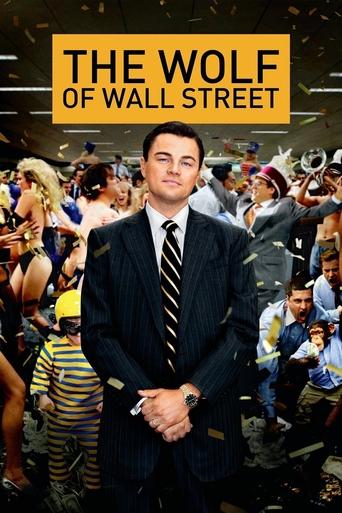
Amélie → The Wolf of Wall Street
The Link
From Amélie's gentle confidences, Scorsese's direct address becomes a tool of seduction and moral ambiguity, forcing us to question our own fascination with Belfort's amoral charisma.
Martin Scorsese's frenetic chronicle of Jordan Belfort's (Leonardo DiCaprio) excess, where the protagonist frequently breaks the fourth wall to explain the mechanics of his fraud, making the audience complicit in his hedonistic rise and fall.
Related Chains
Explore
Log in to leave a comment.
No comments yet.