The Exiles
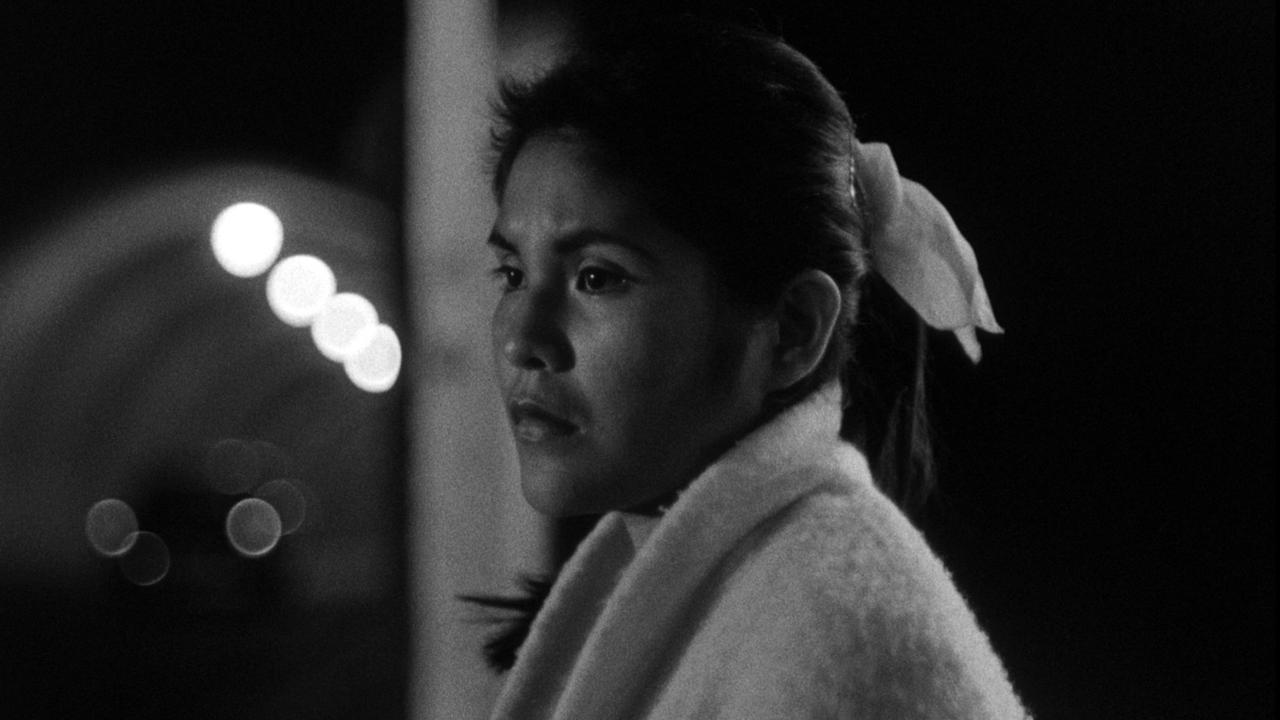
A poetic, semi-documentary portrait of young Native Americans in Los Angeles, spending a restless night in the bars and streets of Bunker Hill.
Chain
From Boyle Heights to South Central, these eight films reveal Los Angeles as a place of struggle, resilience, and unexpected beauty.
Los Angeles on screen is usually a shimmering promise: the boulevards of noir, the mansions of melodrama, the sun-bleached dream of the industry itself. But there is another LA, one that rarely makes the postcards. It is a city of narrow apartments, corner liquor stores, and bus stops where the next chapter feels a long way off. The films in this chain turn their cameras on that city, and in doing so, they find something more vital than glamour: the texture of lives lived in the margins, and the quiet dignity of people who keep going.
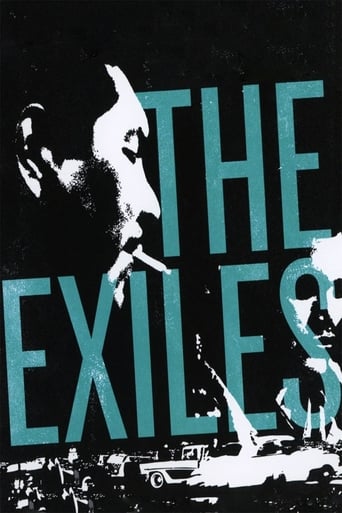
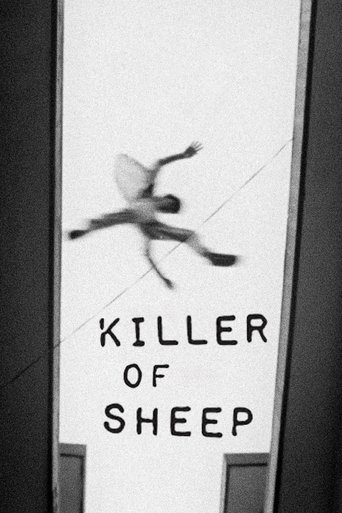
The journey begins with The Exiles, Kent Mackenzie's 1961 portrait of young Native Americans adrift in the Bunker Hill neighbourhood, a place of cheap rooms and neon signs that would soon be bulldozed. Mackenzie shot it like a documentary, but shaped it like a dream, letting his non-professional cast improvise their own stories of Friday-night restlessness. From there, we move to Killer of Sheep, Charles Burnett's 1977 masterwork set in Watts, where a slaughterhouse worker's exhaustion is rendered with a tenderness that feels almost revolutionary. Burnett's film is not about poverty as spectacle; it is about the small gestures of care that hold a community together.
The chain then takes a turn into the 1980s and 1990s, when the cracks in the city's facade became impossible to ignore. Mi Vida Loca (1993) follows the young women of Echo Park, caught between gang loyalty and their own fierce independence, while The Wrong Girls (2016) offers a contemporary echo, a quiet study of two sisters in a gentrifying neighbourhood who must decide what they owe each other and the place they came from. These films share a refusal to romanticise violence or poverty, and a commitment to seeing their characters whole.
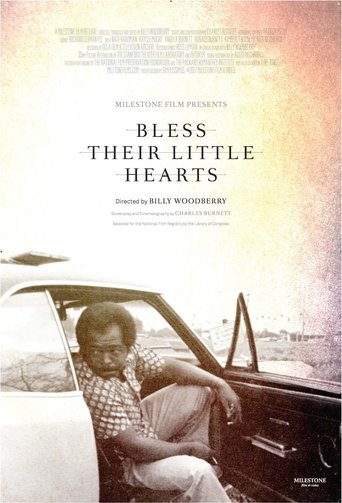
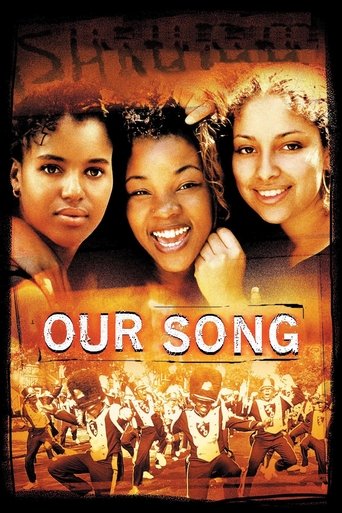
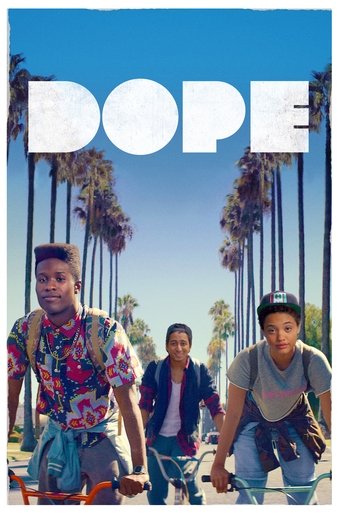
But the chain also reaches beyond the obvious. Bless Their Little Hearts (1984), directed by Billy Woodberry and written by Charles Burnett, is a companion piece to Killer of Sheep, following a father's struggle to provide for his family in South Central. And Our Song (2000), Jim McKay's quietly devastating look at three teenage girls in Crown Heights, Brooklyn, might seem out of place in a Los Angeles chain, yet it shares the same DNA: a focus on the ordinary rituals of friendship and the weight of the future. Finally, Dope (2015) brings the story into the present, a coming-of-age tale set in Inglewood that uses the language of hip-hop and geek culture to ask what it means to make it out without losing yourself.
What unites these films is not a single style or era, but a shared gaze. They look at Los Angeles without flinching, and they find not despair but a stubborn, everyday grace. Watch them in order, and you will see a city that is never just a backdrop, but a character in its own right, shaped by the people who live in its overlooked corners. This is the LA that rarely wins awards, but it is the one that feels most real.
A poetic, semi-documentary portrait of young Native Americans in Los Angeles, spending a restless night in the bars and streets of Bunker Hill.
The Exiles → Killer of Sheep
The Link
From the neon-lit streets of Bunker Hill, we move to the sun-baked blocks of Watts. Burnett shares Mackenzie's documentary eye and his compassion for people on the margins, but where The Exiles captures a single night's restlessness, Killer of Sheep unfolds over a series of days, finding poetry in the routines of work and domestic life.
Charles Burnett's landmark of American independent cinema, following a slaughterhouse worker in Watts as he navigates exhaustion, family, and fleeting moments of joy.
Killer of Sheep → Bless Their Little Hearts
The Link
Written by Charles Burnett and directed by Billy Woodberry, this film feels like a direct extension of Killer of Sheep, sharing its lead actor, Nate Hardman, and its commitment to the small, painful details of working-class life. Where Burnett's film focused on a man's inner world, Woodberry widens the lens to include the wife and children, making the economic pressures of the household feel even more acute.
A quietly devastating portrait of a South Central LA family, as a father's inability to find steady work strains his marriage and his sense of self.
Bless Their Little Hearts → Mi Vida Loca
The Link
The women of Mi Vida Loca are the daughters of the families in Bless Their Little Hearts, inheriting a world of limited options. Anders brings a warmer, more colourful palette and a soundtrack of 1990s Chicano rock, but she shares Woodberry's and Burnett's refusal to judge her characters, instead letting their bonds of loyalty and their dreams of escape speak for themselves.
Allison Anders' vibrant, empathetic look at the young women of Echo Park, who navigate gang life, motherhood, and friendship on their own terms.
Mi Vida Loca → The Incredibly True Adventure of Two Girls in Love
The Link
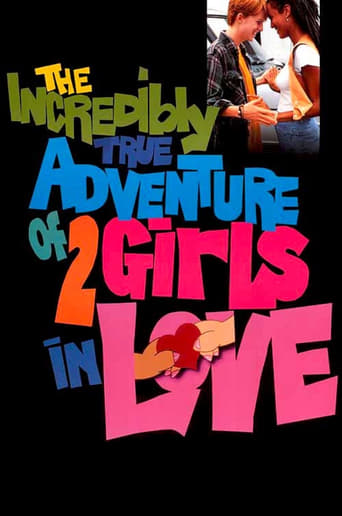
Both films centre on young women navigating identity and desire against the backdrop of Los Angeles neighbourhoods, but Maggenti's film trades Echo Park's gang tensions for a gentler, more hopeful exploration of first love and class difference, bridging the grit of Mi Vida Loca and the quieter intimacy of Our Song.
A warm, low-key comedy about two high school girls from very different backgrounds falling for each other in Los Angeles, directed by Maria Maggenti.
The Incredibly True Adventure of Two Girls in Love → Our Song
The Link
This may be set on the other coast, but it shares the same soul as The Wrong Girls: a focus on the quiet, pivotal moments of adolescence in a neighbourhood that offers both comfort and constraint. McKay's handheld camera and naturalistic performances recall the earlier films' commitment to authenticity, and the film's sense of summer as a fragile pause before the future arrives resonates with the sisters' dilemma.
Our Song → Dope
The Link
From the gentle melancholy of Our Song, we jump to the kinetic pulse of Dope. Rick Famuyiwa's film is louder and funnier, but it carries the same question: what does it take to get out, and what do you leave behind? The film's Inglewood setting is a world away from Crown Heights, yet both films capture the pressure of being young and ambitious in a place that seems to expect less of you.
A high-energy coming-of-age story set in Inglewood, where a geeky high schooler and his friends get caught up in a drug deal that could derail their plans for the future.
Explore
Log in to leave a comment.
No comments yet.