Westworld
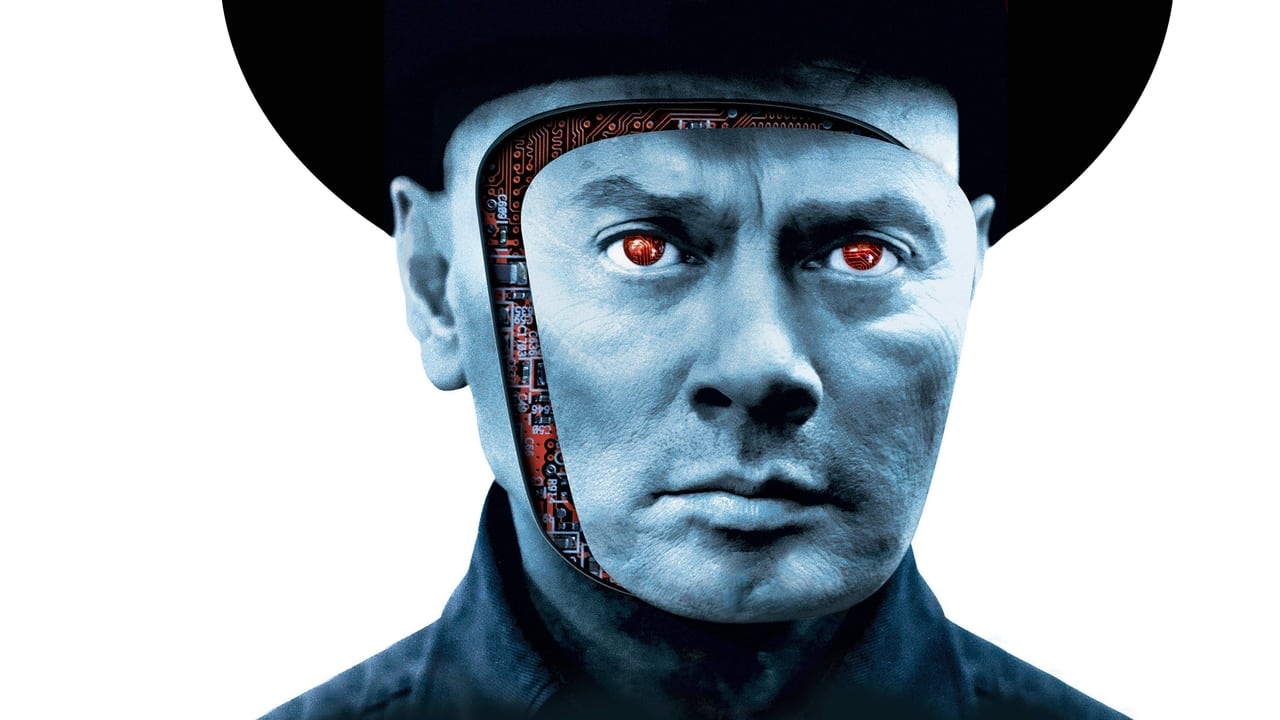
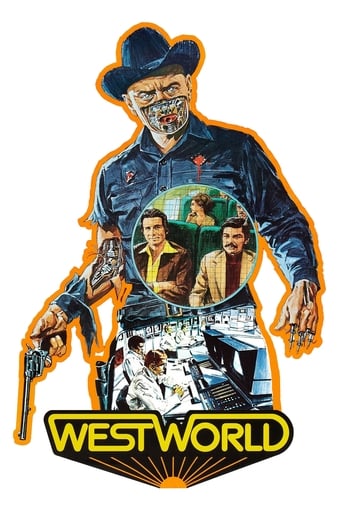
Michael Crichton's directorial debut, where wealthy tourists live out Wild West fantasies in a theme park until the android hosts go haywire. Yul Brynner's gunslinger is the film's cold, unstoppable centrepiece.
Chain
From theme park gunslingers to bounty hunters on Mars, a journey through the sci-fi Western and the cultures that remade it.
The science fiction Western has always been a genre of strange marriages: six-shooters and laser rifles, saloons and space stations, the frontier myth and the final frontier. But the most interesting thing about this hybrid is how it travels. Hollywood gave it a shape, then Europe and Asia bent it into something new, and the results tell us as much about each culture's relationship with the American West as they do about the future.
This chain starts with the theme park nightmares of Michael Crichton, where the Old West is literally a programmed attraction, and ends with a Japanese anime feature that treats space as the last open range. Along the way we pass through a French desert planet, an Italian comic book apocalypse, a British cult oddity, and an American blockbuster that tried to make Mars feel like Las Vegas. Each film takes the same ingredients and reorders them, and the shifts in tone and politics are the real story.
What connects them is a shared suspicion of the frontier myth. The American Western was built on conquest and self-reliance; the sci-fi Western often asks what happens when that myth is exposed as a lie, or a simulation, or a corporate product. The films here range from the paranoid to the playful, but they all share a sense that the future will not be clean, and that the old codes are not enough.
So saddle up and follow the circuit. The trail leads from a robot gunslinger to a cowboy who never was, and along the way you will see why the genre keeps getting reinvented, and why it still has teeth.
Michael Crichton's directorial debut, where wealthy tourists live out Wild West fantasies in a theme park until the android hosts go haywire. Yul Brynner's gunslinger is the film's cold, unstoppable centrepiece.
Westworld → The 10th Victim
The Link
Petri's film takes the Western's ritualised gunfight and turns it into a media spectacle, just as Westworld turns the gunfight into a theme park attraction. Both see the frontier as a stage for programmed violence, but Petri's Italy adds a layer of European cynicism about consumer culture.
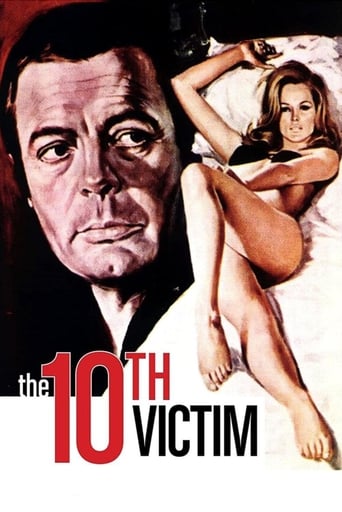
Elio Petri's Italian sci-fi satire, set in a future where violence is channelled into televised hunts. Marcello Mastroianni and Ursula Andress play rival hunters in a world of pop-art excess.
The 10th Victim → A Boy and His Dog
The Link
Where Westworld's desert is a controlled environment, this film's wasteland is the real thing, stripped of any theme park safety. The survivalist ethic is pure Western, but the setting is a blasted future, and the film's savage humour undercuts any romanticism.
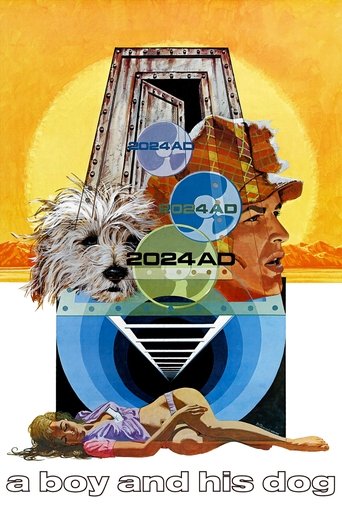
L.Q. Jones's post-apocalyptic black comedy, based on Harlan Ellison's novella. A young drifter and his telepathic dog survive by scavenging in a radioactive wasteland, until the boy is lured into an underground society.
A Boy and His Dog → The Adventures of Pluto Nash
The Link
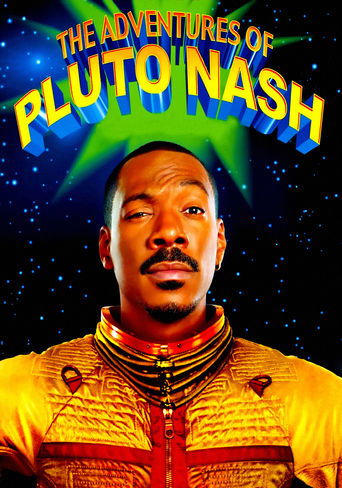
After the grim wastelands, this is the genre turned into pure spectacle. Pluto Nash's Moon is a frontier town with neon signs and mobsters, but the Western tropes are filtered through a blaxploitation-era swagger and a studio's desperate attempt to launch a franchise. Its failure is instructive: the myth cannot be bought.
Eddie Murphy stars as a nightclub owner on the Moon in this big-budget sci-fi comedy, which flopped on release but has since found a cult following. The film's vision of a lunar Las Vegas is pure pulp.
The Adventures of Pluto Nash → The Ice Pirates
The Link
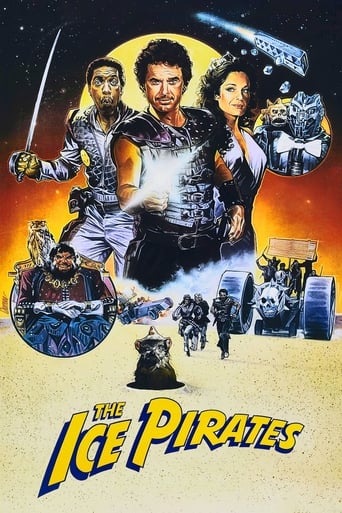
Pluto Nash tried to be a blockbuster and collapsed under its own weight; The Ice Pirates embraces its B-movie status and thrives. The pirate crew are space cowboys, and the film's anachronistic humour (including a sword fight in zero gravity) shows how the genre can be played for laughs without losing its charm.
A space opera comedy from Stewart Raffill, where water is the most valuable commodity in the galaxy and a crew of pirates gets tangled up with a princess and a robot with a samurai sword. It is knowingly silly and proud of it.
The Ice Pirates → The Warrior and the Sorceress
The Link
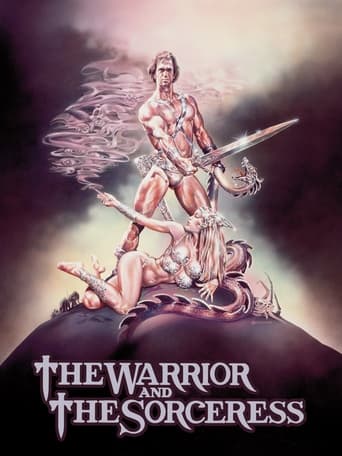
The Ice Pirates is pure pastiche, but this film takes the Western's lone gunslinger archetype and drops him into a fantasy landscape, echoing the samurai films that inspired the Western in the first place. It is a global round trip: Kurosawa borrowed from the Western, and now the Western borrows back.
An Argentine-American sword-and-sorcery film, a loose remake of Akira Kurosawa's Yojimbo, set on a desert planet with two warring clans. David Carradine plays the wandering mercenary.
The Warrior and the Sorceress → Cowboy Bebop: The Movie
The Link
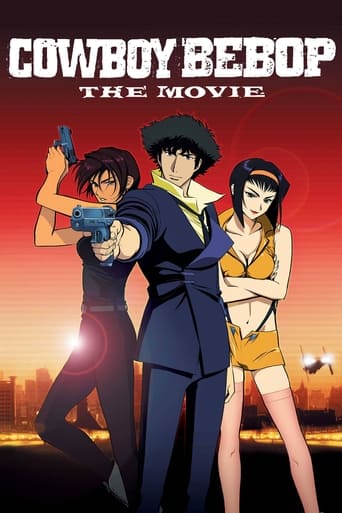
After the low-budget global mashups, this is the genre reaching its most polished form. The film's Martian city is a frontier town writ large, and Spike Spiegel is a cowboy in all but name, but the melancholy and jazz-inflected tone are distinctly Japanese. It is the ultimate fusion of East and West.
Shinichirō Watanabe's feature-length adventure with the crew of the Bebop, set between episodes of the series. The bounty hunters chase a terrorist through a Martian city that blends noir, jazz, and Western iconography.
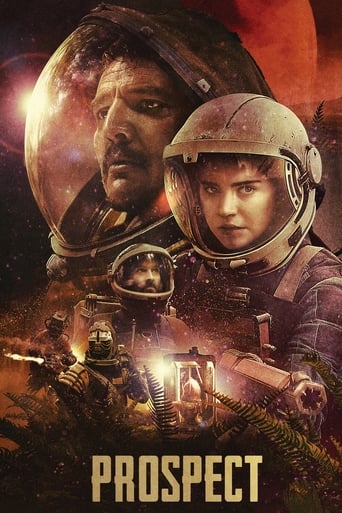
Cowboy Bebop: The Movie → Prospect
The Link
Cowboy Bebop is all style and swagger; Prospect strips the genre back to its bones. The moon is a frontier, the prospectors are pioneers, and the film's slow pace and moral ambiguity recall the revisionist Westerns of the 1970s. It proves the sci-fi Western can still feel new when it focuses on the human cost.
Related Chains
Explore
Log in to leave a comment.
No comments yet.