The Wild Bunch
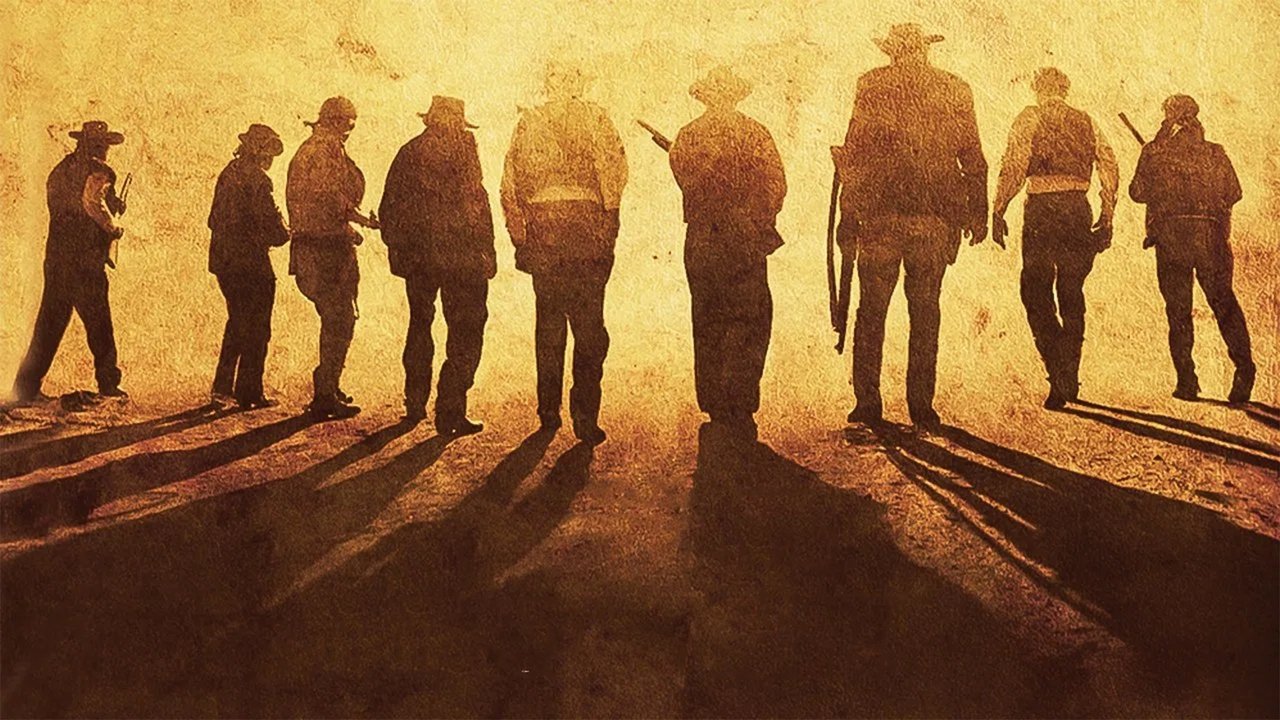
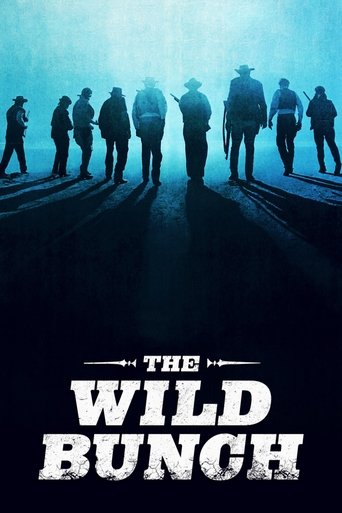
Sam Peckinpah's bloody elegy for the Old West, following an aging gang of outlaws on one last score in 1913 Mexico, where the modern world has rendered them obsolete.
Chain
There is a moment in Richard Lester's Robin and Marian (1976) that cuts deeper than any broadsword. Sean Connery, sporting grey in his beard and exhaustion in his eyes, fires one final arrow out of an abbey window into the forest, instructing Little
There is a moment in Richard Lester's Robin and Marian (1976) that cuts deeper than any broadsword. Sean Connery, sporting grey in his beard and exhaustion in his eyes, fires one final arrow out of an abbey window into the forest, instructing Little John to bury him wherever it lands. It is a heartbreaking, poetic end for Sherwood's famous outlaw, stripping away the techno-colour romance of Errol Flynn to reveal the cold, aching reality of time catching up with mythology.
Cinema has always loved the myth of the invincible hero, but it is endlessly fascinated by their slow, inevitable decline. Across genres, from medieval woods to sun-baked borderlands and smokey mob joints, the death of Robin Hood stands as the archetype for a specific cinematic mood: the twilight of the legend.
Nowhere does this ache hit harder than in the revisionist Western. As the 19th century gave way to barbed wire, telegraph poles, and industrial machines, the lawless gunslingers found themselves marooned in a world that had outgrown them. Sam Peckinpah mastered this elegiac tone in The Wild Bunch (1969), sending his aging, limping outlaws into a suicidal last stand against an army equipped with machine guns. It was not about winning; it was about choosing how to die when the era you belonged to had vanished.
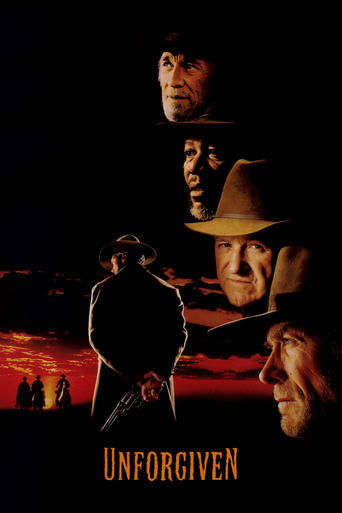
Clint Eastwood delivered the ultimate eulogy to the genre with Unforgiven (1992). His William Munny is a ghost of a killer, crippled by age and memory, dragged out of retirement for one last grim paycheck. There is no triumph here, only the grim weight of past sins and the cold realization that time comes for every legend eventually.
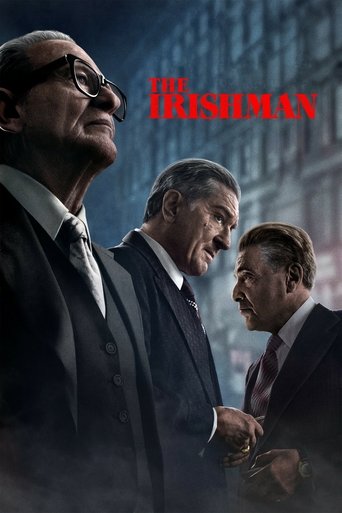
The myth of the fading outlaw travels far beyond horse-stealing and archery. Martin Scorsese’s The Irishman (2019) took the swagger out of the gangster flick, ending not with a glorious blaze of Tommy-gun fire, but with Robert De Niro’s Frank Sheeran sitting alone in an empty care home, forgotten by his family and waiting for the door to close. It is the mob world's answer to Kirkstall Abbey: a stark, quiet reckoning with a life built on violence.
Even modern pop-culture juggernauts have embraced the melancholy of the final act. James Mangold’s Logan (2017) drew heavily on Robin and Marian and classic Westerns to craft a story where Wolverine's healing factor is failing, his body poisoned by the very metal that made him famous. Like Robin firing his last arrow into the trees, Logan's final fight is not for glory or a victory march, but to protect the next generation before slipping away into the quiet. The legend fades, the bow is put down, and the screen fades to black.
Sam Peckinpah's bloody elegy for the Old West, following an aging gang of outlaws on one last score in 1913 Mexico, where the modern world has rendered them obsolete.
The Wild Bunch → Bring Me the Head of Alfredo Garcia
The Link
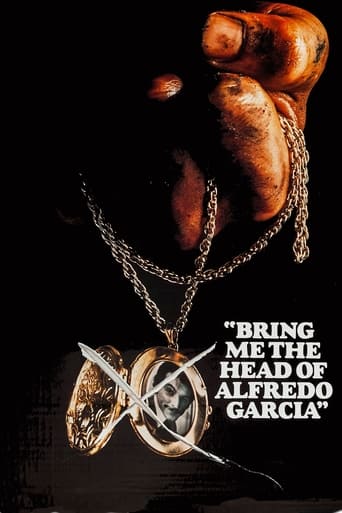
Peckinpah's follow-up to 'The Wild Bunch' pushes the theme further: the protagonist is not even an outlaw, but a man corrupted by the promise of reward, reflecting the moral decay of the era.
Peckinpah's nihilistic road movie about a piano player hunting a bounty, a descent into violence that mirrors the death of the outlaw spirit.
Bring Me the Head of Alfredo Garcia → Unforgiven
The Link
Where Peckinpah romanticised the outlaw's end, Eastwood deconstructs it: William Munny is a broken farmer, and the film's violence is ugly, not heroic, directly responding to the genre's mythology.
Clint Eastwood's revisionist western where a retired gunslinger takes one last job, only to confront the brutal reality of his past and the myth of the West.
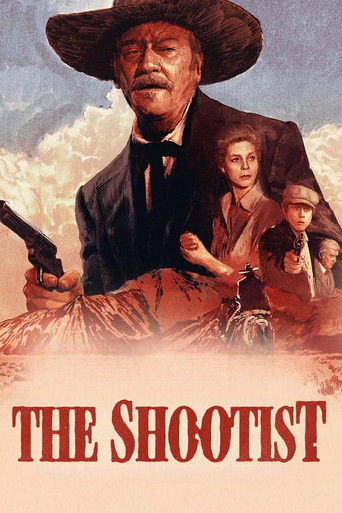
Unforgiven → The Shootist
The Link
A more classical take on the aging hero, with Wayne's own mortality echoing the character's, offering a dignified but tragic farewell to the Western hero, a counterpoint to Eastwood's cynicism.
John Wayne's final film, portraying an aging gunfighter dying of cancer who seeks a quiet end but is drawn into one last confrontation.
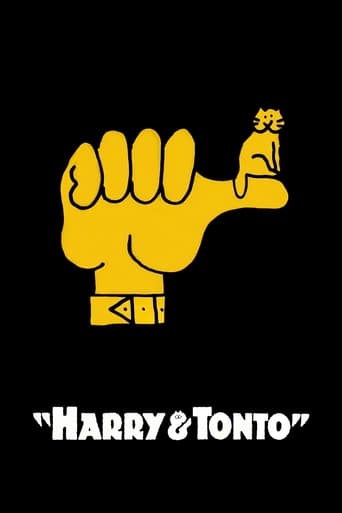
The Shootist → Harry and Tonto
The Link
Moving from the western to the urban landscape, this film shifts the twilight from outlaws to an ordinary man, yet the themes of displacement and the passing of an era remain, showing the hero's journey in a domestic key.
Art Carney's Oscar-winning turn as a widower evicted from his New York apartment, who embarks on a cross-country journey with his cat, reflecting on a life of missed connections.
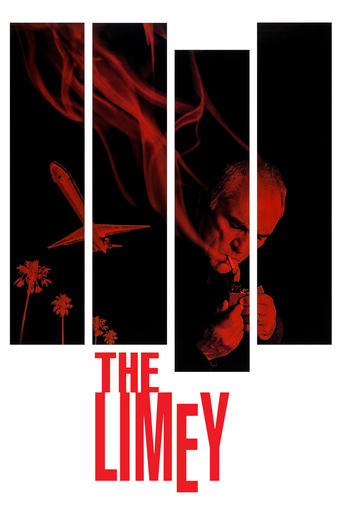
Harry and Tonto → The Limey
The Link
Stamp's character is a ghost from another time, his Britishness and old-school code clashing with modern LA, echoing the fish-out-of-water melancholy of 'Harry and Tonto' but with a violent edge.
Terence Stamp plays an ex-convict who travels to Los Angeles to avenge his daughter's death, a poetic thriller about memory and the futility of revenge.
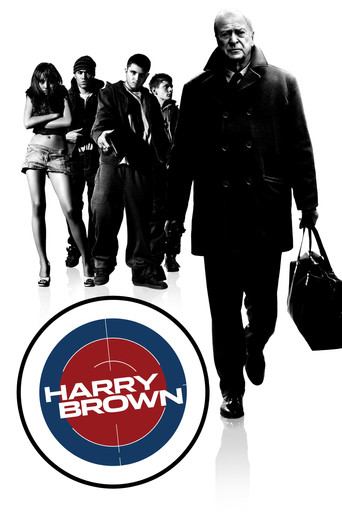
The Limey → Harry Brown
The Link
Caine's Harry Brown is a direct descendant of Wilson in 'The Limey': a man pushed to violence by a broken system, but here the twilight is more explicit, as he confronts his own mortality and the loss of his wife.
Michael Caine stars as a widowed ex-Marine who takes on a gang of thugs in a London estate, a vigilante thriller that questions the cost of violence in old age.
Harry Brown → The Irishman
The Link
Scorsese's film is the ultimate summation of the outlaw's twilight, where the gangster's life ends not in glory but in a nursing home, echoing the regrets of Harry Brown and the ghosts of 'The Limey'.
Martin Scorsese's epic crime saga follows Frank Sheeran's life as a hitman, culminating in an old age marked by guilt and isolation, a meditation on the cost of loyalty.
Related Chains
Explore
Log in to leave a comment.
No comments yet.