The animal attack film is one of cinema's most durable guilty pleasures: a chance to watch the natural world turn on humanity with a ferocity that our technology cannot match. These films tap into a fear that is both ancient and immediate, the sense that we are not always at the top of the food chain. The best of them use their creatures not just as shock machines but as mirrors, reflecting our own anxieties about the environment, about power, and about the consequences of our arrogance.
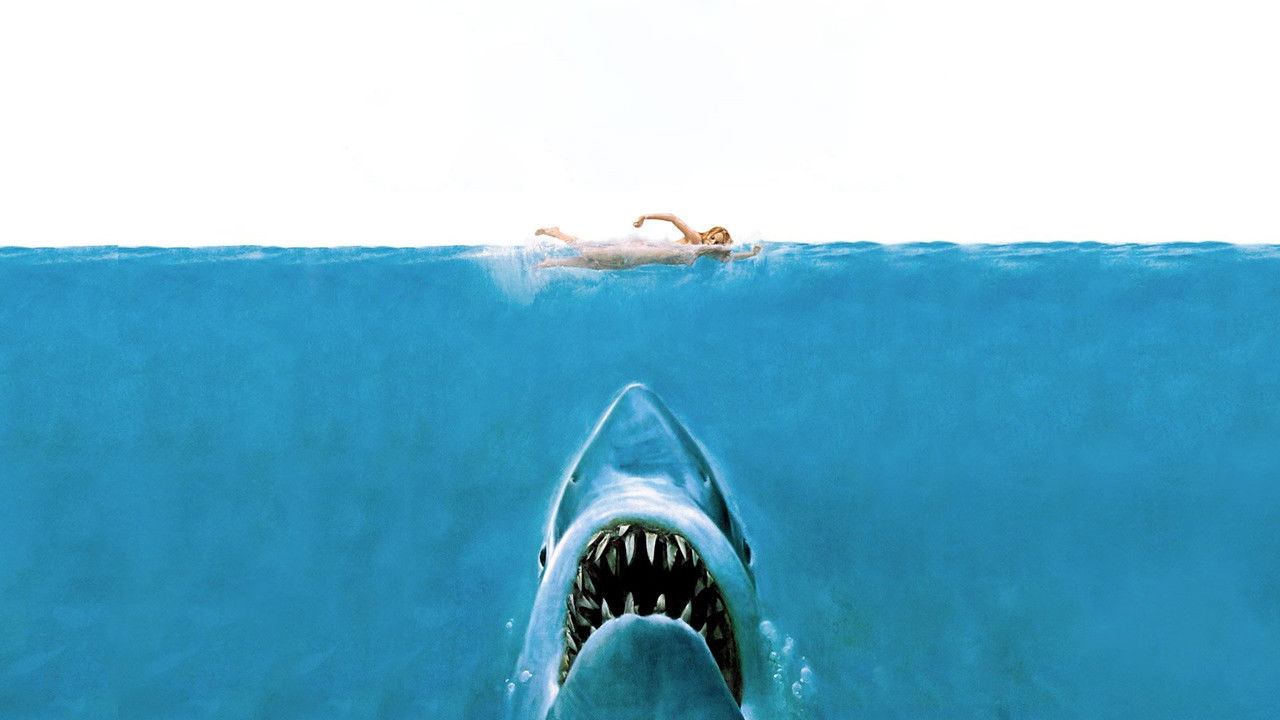
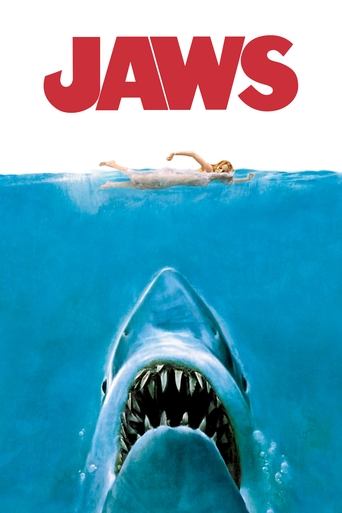
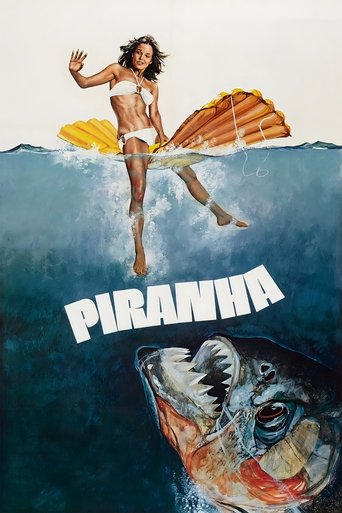
This chain begins with the film that set the template for the modern blockbuster: Jaws (1975). Steven Spielberg's masterpiece is not just a film about a shark; it is a film about the failure of institutions, the politics of fear, and the raw, unstoppable force of nature. The mechanical shark may have been troublesome, but the editing and John Williams's two-note motif created a terror that is purely cinematic. From there, we move to a film that took the formula and pushed it into the realm of the absurd and the spectacular: Piranha (1978), Joe Dante's gleefully nasty B-movie that turns the killer fish into a swarm of tiny, voracious monsters. It is a film that understands the genre's potential for both thrills and satire.
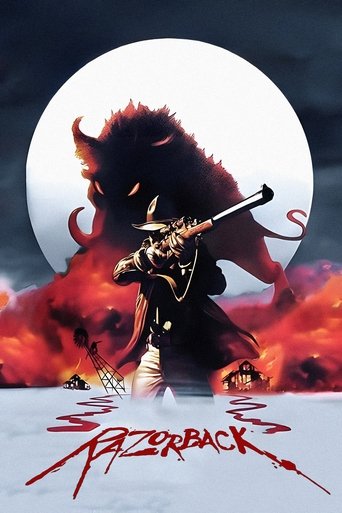
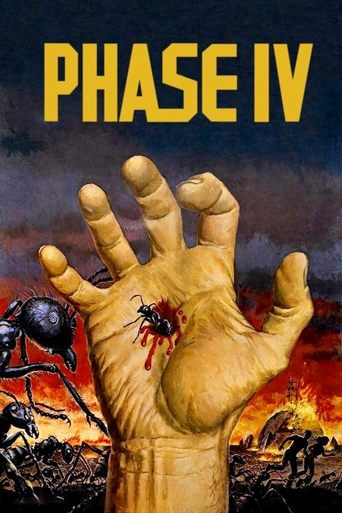
The chain then takes a sharp turn into the international and the arthouse. The Birds (1963) is the obvious Hitchcock touchstone, but we have chosen to follow a less travelled path. Instead, we go to the Australian outback with Razorback (1984), a film that treats its rampaging boar with the visual grandeur of a nature documentary and the dread of a gothic horror. Russell Mulcahy's direction is operatic, and the film's sense of isolation is palpable. From there, we cross to Europe for Phase IV (1974), Saul Bass's only feature, a film that dares to suggest that ants might be smarter than we are. It is a slow, meditative, and ultimately strange film that ends on a note of cosmic surrender.
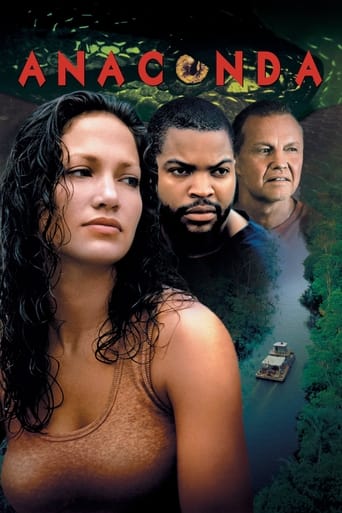
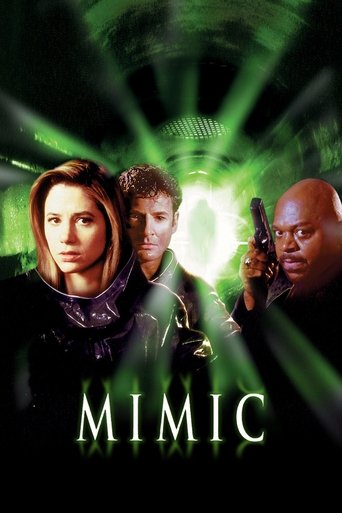
The chain then returns to the mainstream with a film that redefined the disaster movie: Anaconda (1997). It is a film that is both ridiculous and genuinely tense, with a giant snake that is a marvel of practical and CGI effects. It is also a film that understands the value of a charismatic villain, and Jon Voight's performance is a masterclass in scenery chewing. From the jungle, we move to the city with Mimic (1997), Guillermo del Toro's first Hollywood film, in which genetically engineered insects evolve to mimic humans. It is a film that is more interested in the grotesque beauty of its creatures than in simple scares, and it set the stage for del Toro's later masterpieces.
Finally, we end with a film that is both a culmination and a deconstruction of the genre: Bugs (2006), a low-budget British film about a swarm of killer insects that are not what they seem. It is a film that plays with the conventions of the creature feature while delivering the requisite chills. Together, these eight films chart the evolution of the animal attack film, from the primal terror of Jaws to the philosophical unease of Phase IV, and they prove that sometimes the most frightening monsters are the ones that share our world.