1
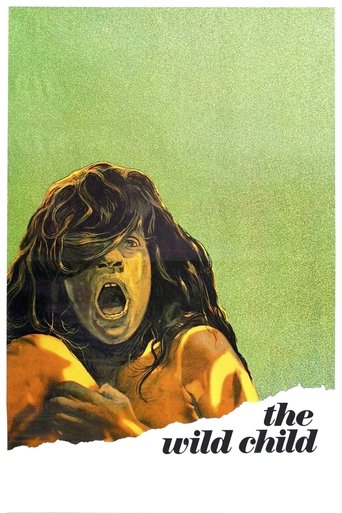
The Wild Child
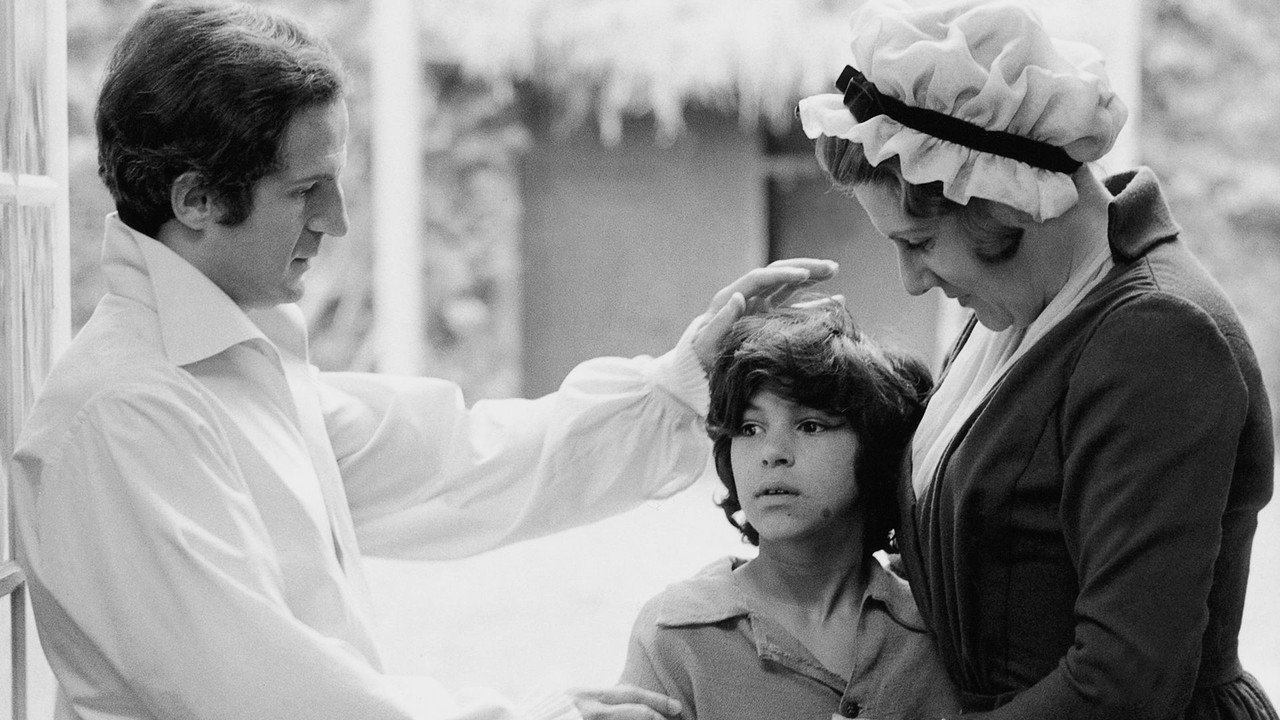
François Truffaut's austere, moving account of Victor, a boy found in the woods of Aveyron, and the doctor who attempts to civilise him.
Chain
From the forests of 18th-century France to the animated jungles of Mowgli, a journey through cinema's feral children and their quest for belonging.
There is a particular ache in the story of a child who does not know they are lost. Cinema has returned to this figure again and again, drawn to the feral child as a mirror held up to civilisation, a question mark over what we mean by home, family, and humanity itself. This chain begins with the documentary-like rigour of Truffaut's The Wild Child, a film that treats its subject with the gravity of a scientific case study, yet finds in the boy's slow, painful acquisition of language a profound meditation on what we lose when we learn to belong.
From there, we move sideways into the mythic, where the wild child is not a case study but a legend. Kipling's Mowgli has been adapted many times, but the 1967 Disney animation remains the purest expression of the boy who is 'of the jungle, not of the man-pack'. Its jazzy, irreverent tone belies a deeper melancholy: Mowgli's animal kin, however loving, cannot keep him, and his journey towards the man-village is a reluctant farewell to innocence. The 2016 live-action remake, for all its spectacle, deepens this theme, giving Shere Khan a scarred history and making the jungle itself a character of breathtaking, dangerous beauty.
But the feral child is not always a boy in a loincloth. Sometimes she is a girl raised by wolves, as in the haunting Indian folk tale Kaala, or a boy who finds his pack not in the wild but in the rubble of war, as in Empire of the Sun. And sometimes the wild is not a place but a state of mind, as in Where the Wild Things Are, where the monsters are not animals but projections of a child's turbulent emotions. Spike Jonze's film understands that the wildness Max seeks is already inside him, and that the truest belonging is the one we return to, not the one we escape to.
This chain is organised around a single question: what does it mean to be 'wild'? Each film offers a different answer, from the clinical to the mythic, from the tragic to the joyous. They share a DNA of isolation and kinship, of children who speak the language of the forest, the sea, or the imagination. Watching them in sequence, you begin to see the feral child not as a curiosity but as a universal figure, a part of all of us that resists domestication. The loss of innocence is not the end of the story; it is the beginning of a new kind of belonging, one that carries the wild within it.
François Truffaut's austere, moving account of Victor, a boy found in the woods of Aveyron, and the doctor who attempts to civilise him.
The Wild Child → The Jungle Book
The Link
From Truffaut's clinical study of a wild child, we leap to Disney's playful take on the same myth: Mowgli's feral childhood is a song, not a case study, yet both films end with the child leaving the wild for the world of men.
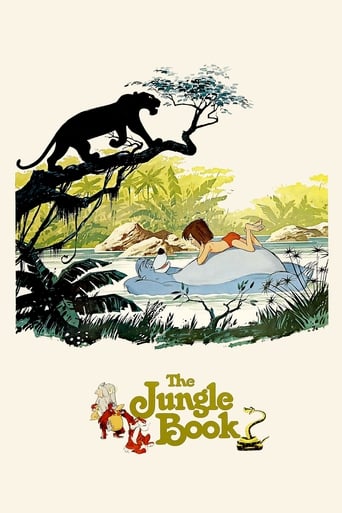
Disney's animated classic follows Mowgli, a man-cub raised by wolves, as he learns the law of the jungle and the joy of 'Bear Necessities'.
The Jungle Book → Nell
The Link
If Max's wildness is a phase, Nell's is a lifelong identity. This film extends the question of the wild child into adulthood, asking whether the 'civilisation' offered by outsiders is a gift or a violation, and echoing the ethical tensions of Truffaut's film.
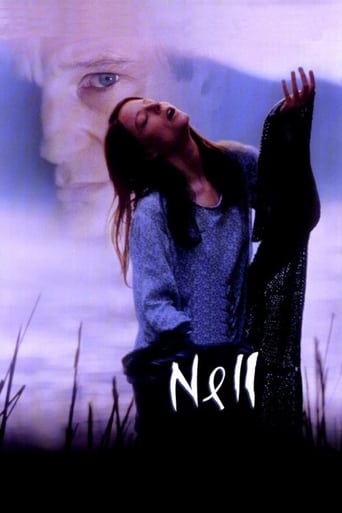
Jodie Foster plays a woman raised in isolation in the Appalachian woods, speaking her own language and living in harmony with nature, until doctors intervene.
Nell → Nanook of the North
The Link
Nell's forest is a sanctuary, but for Nanook's family the wild is a harsh provider. This silent film grounds our theme in reality, showing that kinship with nature is not always gentle; it is a matter of survival, and the children in it are feral only in the sense that they are fully at home in the wild.
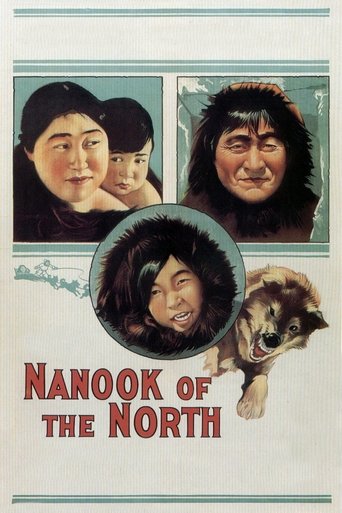
Robert Flaherty's pioneering documentary follows an Inuit family's struggle for survival in the Arctic, capturing a life in which humans and animals are bound together.
Nanook of the North → The Enchanted Cottage
The Link
From the stark realism of Nanook, we move to a gentle fantasy: the cottage is a wild place of refuge, and the love that grows there is a kind of wildness that defies society's standards. It is a fitting end, suggesting that the wild is not only where we come from, but also where we heal.
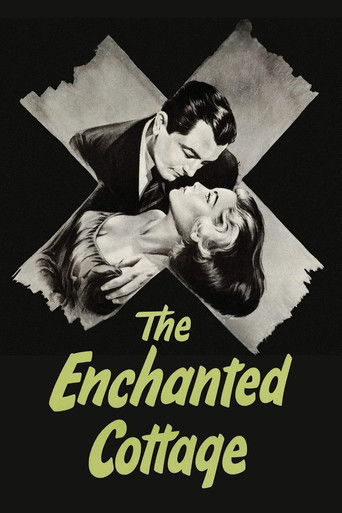
A disfigured war veteran and a plain young woman find love in a secluded cottage, where their inner beauty transforms their outward appearance.
The Enchanted Cottage → Empire of the Sun
The Link
Shifts the notion of the wild from untamed nature to the chaos of human conflict. Jim becomes a feral child not within a forest, but amongst the rubble of war, adopting survival instincts and finding surrogate packs in an environment where societal order has entirely collapsed.

Separated from his wealthy parents during the Japanese occupation of Shanghai, young Jim Graham must adapt to survival inside a World War II internment camp, shedding his privileged upbringing for a sharp, self-reliant edge.
Empire of the Sun → Where the Wild Things Are
The Link
Moves from physical survival in a warzone to the internal, psychological wilderness of childhood emotions. Here, wildness is a sanctuary built from anger and imagination, where Max embraces his own feral nature before realising that ruling over monsters cannot replace true belonging.

Following an outburst at home, young Max sails away to an island inhabited by large, unpredictable beasts, where he is crowned king of their untamed kingdom.
Related Chains
Explore
Log in to leave a comment.
No comments yet.