Official

From External Beast to Internal Trauma

Here is a five-film narrative chain that traces how the monster evolved from an exotic physical threat into a psychological mirror of society.

by KinoChain · Simple sequence · 29 Jul 2026

  1. Step 1

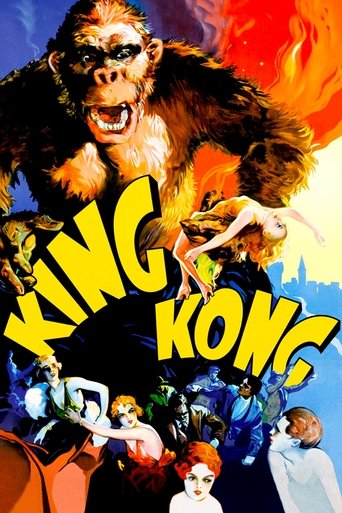
    King Kong (1933)

    The chain begins with the definitive creature feature. A giant ape is captured from an uncharted island and brought to New York as a commercial spectacle. The horror stems from humanity forcing the wild world into an urban landscape, only for nature to tear through the city.

  2. Step 2

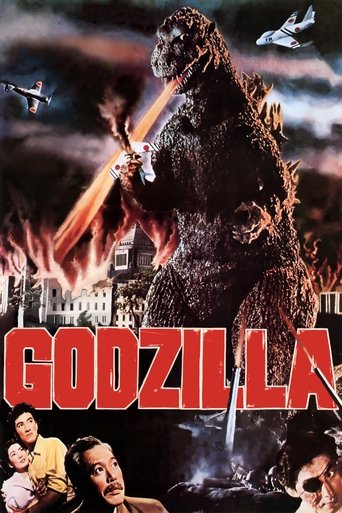
    Godzilla (1954)

    Where Kong was captured by greed, Godzilla was awakened by nuclear tests. Japan's colossal terror shifted monster cinema away from gothic folklore towards post-war fallout, creating an unstoppable physical force spawned entirely by atomic recklessness.

  3. Step 3

    Alien (1979)

    Decades later, the threat moved from earthbound radiation to deep space. Ridley Scott’s masterpiece introduced a parasite whose reproduction violates the human body, while the overarching villain is not just the Xenomorph, but the Weyland-Yutani corporation that treats the crew as expendable assets.

  4. Step 4

    The Babadook (2014)

    By the 2010s, horror turned fully inward. The monster in Jennifer Kent's film is not an alien or an atomic leviathan, but a pop-up book figure that physically manifests a mother's suppressed grief and depression. The battleground is no longer a spaceship or a city street, but the home.

  5. Step 5

    Get Out (2017)

    The chain concludes by removing supernatural beasts altogether. Jordan Peele transforms the polite suburban nightmare into a visceral horror film, revealing that the most terrifying monster is not a creature lurking in the dark, but systemic racism and societal exploitation operating in broad daylight.