
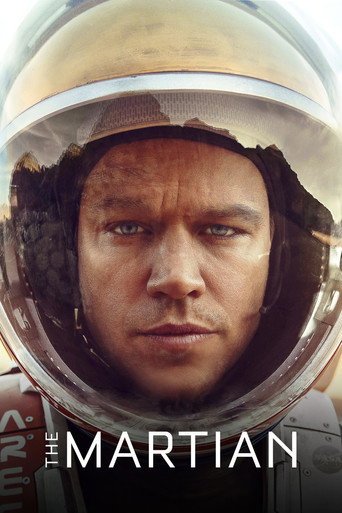
Step 1
The Martian (2015)Stranded alone on Mars, astronaut Mark Watney survives by sheer ingenuity, communicating with Earth through typed logs and improvised science. His isolation is broken only by the shared problem of getting him home.
A chain of six films where collaboration, not language, becomes the bridge between alien intelligences. Diplomacy assumes a shared frame of reference, words, gestures, culture, and these stories strip that away entirely. What's left is competence: two minds with nothing in common taking turns solving the same problem until trust builds itself, one correct answer at a time.
The bond isn't earned through translation or goodwill, it's earned through proof that the other one is careful, capable, and trying. Each film in the chain replaces the moment of "understanding" with the moment of "this works," revealing that partnership across an unbridgeable gap doesn't require a common tongue, just a common task.
by KinoChain · Narrative story · 2 Aug 2026
Step 1
The Martian (2015)Stranded alone on Mars, astronaut Mark Watney survives by sheer ingenuity, communicating with Earth through typed logs and improvised science. His isolation is broken only by the shared problem of getting him home.
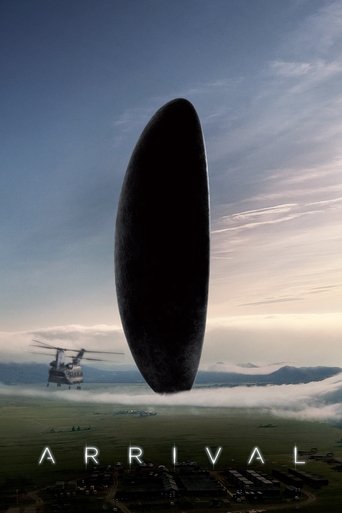
Step 2
Arrival (2016)Why watch next
From Watney's one-way problem-solving to a two-way exchange: Arrival deepens the idea that collaboration requires both parties to work the same equation, even without a common tongue.
Linguist Louise Banks deciphers an alien language by treating it as a puzzle to be solved alongside the heptapods. Communication emerges not from translation but from mutual effort to understand a shared physical reality.
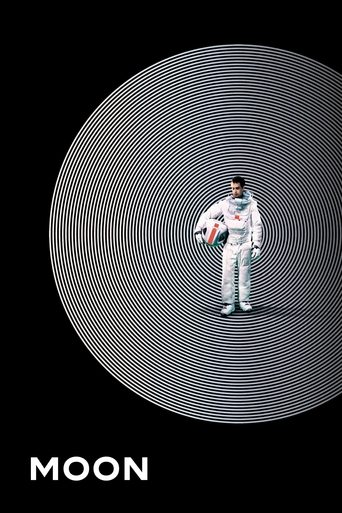
Step 3
Moon (2009)Why watch next
Where Arrival uses alien minds, Moon uses duplicate human minds: the clones collaborate because they must, their connection forged in the daily grind of repairs and data analysis.
Lunar miner Sam Bell discovers he is a clone, and must cooperate with another version of himself to uncover the truth. Their bond forms through shared tasks and survival, not conversation about identity.
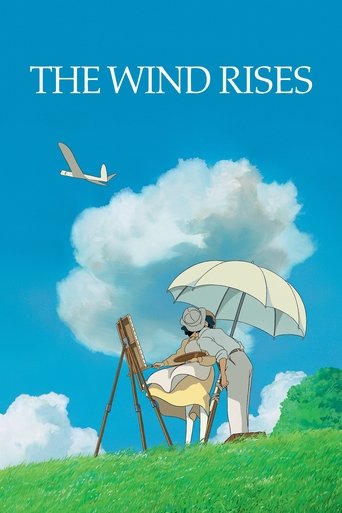
Step 4
The Wind Rises (2013)Why watch next
From clones in a lunar base to dream engineers: Moon's practical collaboration becomes a spiritual one here, where the work itself is the only language between two souls separated by reality.
Jiro Horikoshi dreams of designing beautiful aeroplanes, and his friendship with Italian engineer Giovanni Battista Caproni exists only in dreams and shared passion for flight. They never meet, yet they build together across time.

Step 5
The Great Beauty (2013)Why watch next
From aeronautical dreams to silent companionship: The Wind Rises' imagined dialogue gives way to a real but wordless understanding, where mutual attention replaces conversation.
Jep Gambardella, a writer lost in Rome's social whirl, finds a strange kinship with a saintly woman who communicates through silence and acts of kindness. Their bond is built on shared observation, not words.

Step 6
Robot & Frank (2012)Why watch next
From silent saints to mechanical partners: The Great Beauty's wordless connection becomes a literal collaboration here, as a man and a machine find trust in the work they do together.
An ageing jewel thief and his caretaker robot form an unlikely partnership, planning heists through gesture and routine. Their friendship grows from shared tasks, not programmed empathy.