Official

The Reckless Edge

Talent as a Double-Edged Sword

Forty years after Top Gun roared into cinemas, Maverick's need for speed still feels as exhilarating as ever. But Pete Mitchell is part of a much bigger movie tradition: the gifted rule-breaker whose extraordinary talent is matched only by an inability to play it safe.

It begins with The Right Stuff, where the first generation of test pilots push themselves, and their machines, beyond every known limit. Top Gun takes that same fearless spirit into the jet age, while Days of Thunder swaps fighter planes for stock cars, proving that the mentality of the ace pilot and the racing driver is often one and the same.

The obsession with perfection stretches far beyond cockpits and racetracks. Whiplash and Black Swan reveal artists who chase greatness at the expense of their bodies and minds. The Wrestler shows a performer unable to stop chasing the roar of the crowd, while First Man offers a quieter, more introspective look at the emotional cost of extraordinary achievement.

Across every film runs the same question: when does supreme confidence become reckless self-destruction? Whether they're flying at Mach 2, chasing the perfect lap, landing on the Moon or pursuing artistic perfection, these characters are celebrated because they refuse to accept limits, even as the people around them wonder if that refusal will ultimately destroy them.

by KinoChain · Narrative story · 31 Jul 2026

  1. Step 1

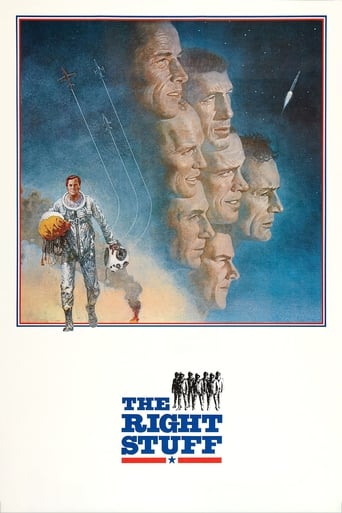
    The Right Stuff (1983)

    Philip Kaufman's epic about the test pilots and astronauts who pushed the boundaries of flight and ego. The Mercury Seven are selected for their competitive drive, but that same drive threatens to unravel them when they become public figures.

  2. Step 2

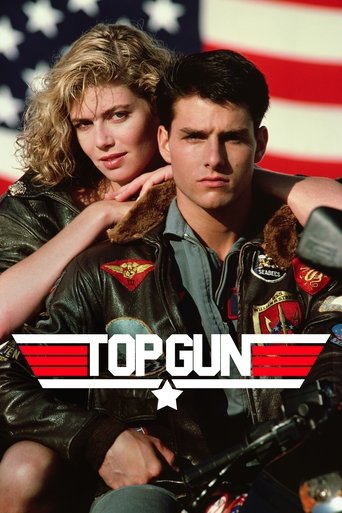
    Top Gun (1986)

    Why watch next

    Where The Right Stuff celebrated the triumph of the test-pilot ethos, Top Gun zeroes in on the moment that ethos becomes a problem: the same swagger that wins air-to-air also kills Goose.

    Tony Scott's adrenaline-fueled portrait of naval aviators at the elite Fighter Weapons School. Maverick's instinctual brilliance in the cockpit is inseparable from his reckless streak, a tension that the film dramatises through every dogfight and debrief.

  3. Step 3

    Days of Thunder (1990)

    Why watch next

    From the cockpit to the stock car: Cole Trickle is Maverick with a steering wheel, and the film makes explicit that the institution (the pit crew, the team owner) must manage the driver's ego or watch him crash.

    Tony Scott returns to the theme with NASCAR racing. Cole Trickle has raw speed and zero patience, a combination that wins races but nearly kills him and his crew chief. The film is Top Gun on asphalt, with the same question: can you tame a talent without breaking it?

  4. Step 4

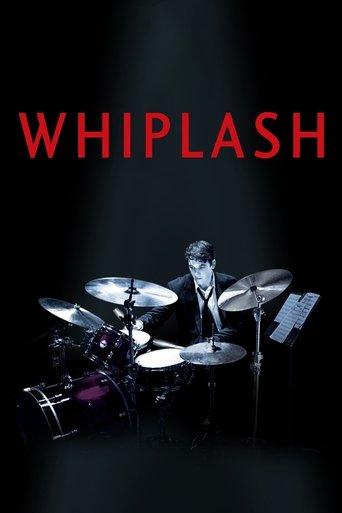
    Whiplash (2014)

    Why watch next

    From the racetrack to the rehearsal room: Whiplash isolates the same dynamic as Le Mans '66 but removes the corporate layer. Here the institution is one man, Terence Fletcher, who deliberately breaks his students to see if they can rebuild themselves as virtuosos.

    Damien Chazelle's blistering study of a jazz drummer and his abusive teacher. Andrew Neiman's obsessive drive to be the best is both his gift and his undoing, pushed to the point of physical and psychological collapse by a mentor who believes greatness requires destruction.

  5. Step 5

    Black Swan (2010)

    Why watch next

    Whiplash's Andrew pursues greatness through pain; Black Swan's Nina pursues it through control. Both discover that the flaw they must overcome is the very quality that made them exceptional. Nina's discipline is her cage.

    Darren Aronofsky's psychological horror about a ballerina's descent into madness while preparing for Swan Lake. Nina's technical perfection is her strength, but her inability to access the reckless, impulsive side of the role becomes a literal haunting.

  6. Step 6

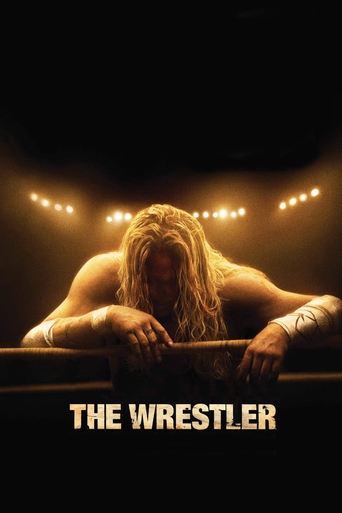
    The Wrestler (2008)

    Why watch next

    From ballet to the ring: The Wrestler shows what happens after the ego-driven career ends. Randy's talent was his pain tolerance, and when that talent becomes a liability, he has nothing left. It is the melancholy epilogue to every film in this chain.

    Darren Aronofsky's raw portrait of Randy 'The Ram' Robinson, a past-his-prime wrestler who cannot stop performing even when his body is failing. His willingness to take punishment made him a star; that same willingness now makes him a tragedy.

  7. Step 7

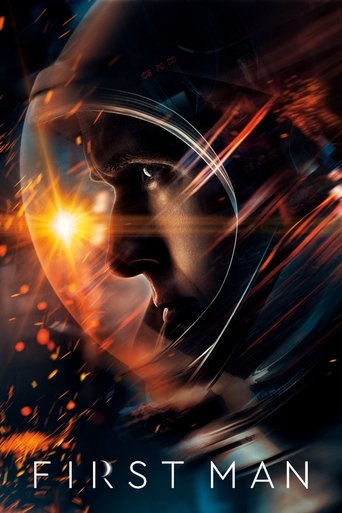
    First Man (2018)

    Why watch next

    The Wrestler ends in a ring; First Man ends on the moon. Armstrong is the inverse of every reckless talent in this chain: his flaw is not too much ego but too little. Yet the film argues that his emotional suppression was the very quality that allowed him to succeed where others would have failed.

    Damien Chazelle's intimate account of Neil Armstrong's journey to the moon. Armstrong's legendary composure and emotional detachment are exactly what make him capable of landing the Eagle, but the film asks whether that same detachment has cost him his humanity.