With the upcoming release of Jumanji: Open World, we trace the evolution of the survival game subgenre, following how the core premise of human beings forced to navigate lethal systems transforms over time.
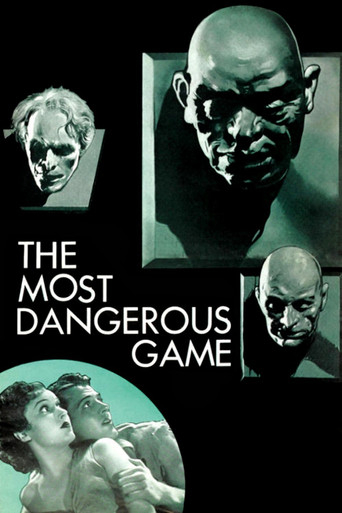
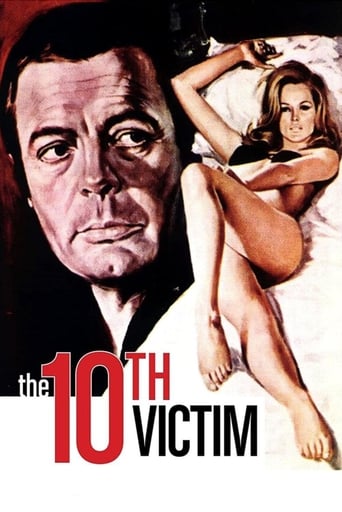
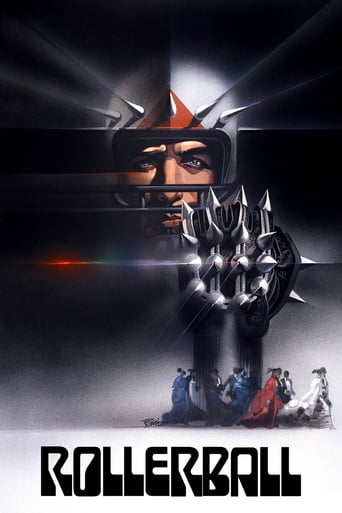
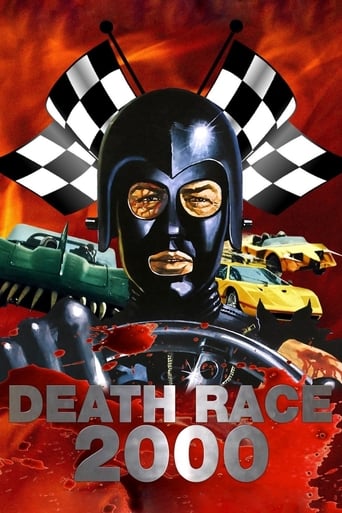
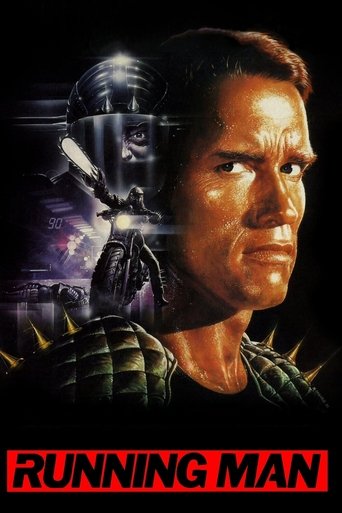
What begins as a private, aristocratic hunt in The Most Dangerous Game gradually expands into a state-sanctioned civil duty in The Tenth Victim, before being co-opted by corporate interests in Rollerball and broadcast as mass media entertainment in Death Race 2000 and The Running Man.
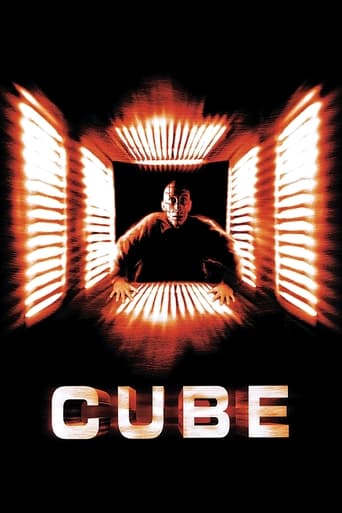
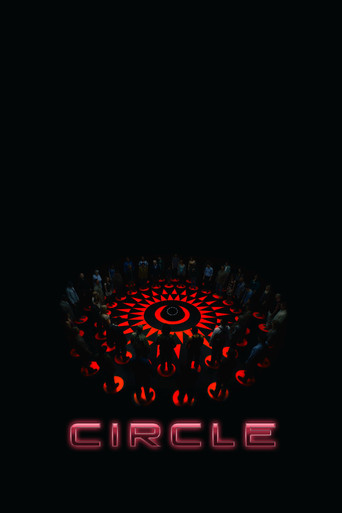
Halfway through, the spectacle abruptly collapses. The screaming audience and charismatic game-masters vanish, replaced by the cold, anonymous architecture of Cube. From here, the game turns inward. Physical escape rooms give way to psychological voting dynamics in Circle, which are then forced onto an everyday workplace in The Belko Experiment.
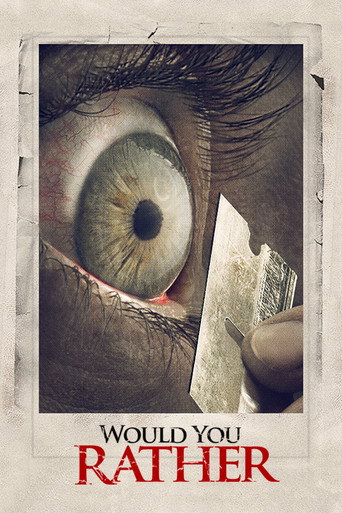
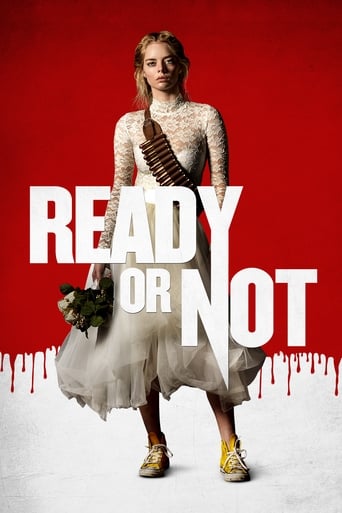
Finally, the scale shrinks back down to a single face across a dinner table in Would You Rather, before returning to where it all started: a wealthy estate, an elite family, and a literal parlour game in Ready or Not.
This ten-film progression reveals the narrative blueprint behind Jumanji. By stripping away the family-friendly fantasy, it uncovers the darker mechanics at play: a supernatural board game that operates on the exact same logic of forced participation, arbitrary rules, and a relentless mechanism that refuses to stop until a winner emerges.
by KinoChain
· Narrative story
· 29 Jul 2026