The Wolf Man
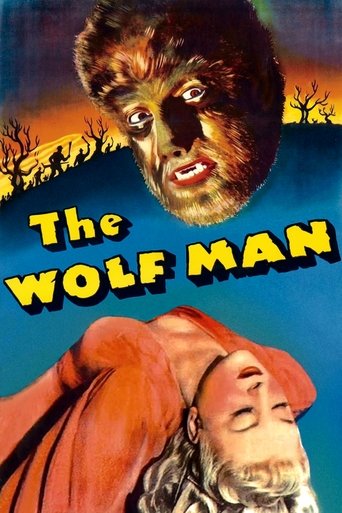
Lon Chaney Jr. gives a career-defining performance as Larry Talbot, a man cursed by a bite and doomed to transform under the full moon. Universal's classic establishes the werewolf mythos for generations.
Chain
From the eerie moors of England to the neon streets of Tokyo, this chain of eight films reveals the werewolf as a creature of endless reinvention, embodying horror, comedy, and raw human drama.
The werewolf is cinema's most versatile monster. Unlike the vampire's aristocratic allure or the zombie's mindless hunger, the lycanthrope carries a curse that is deeply human: a struggle between the civilised self and the beast within. This chain of eight films, spanning seven decades and four continents, proves that the werewolf is not a single creature but a mirror held up to our own fears of losing control.
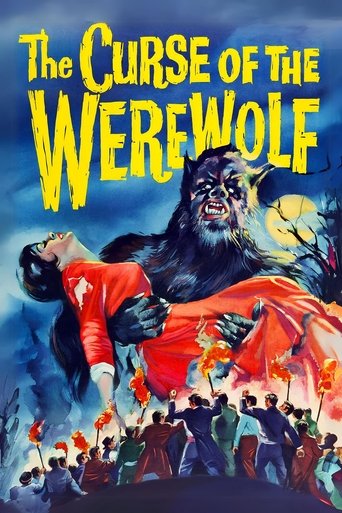
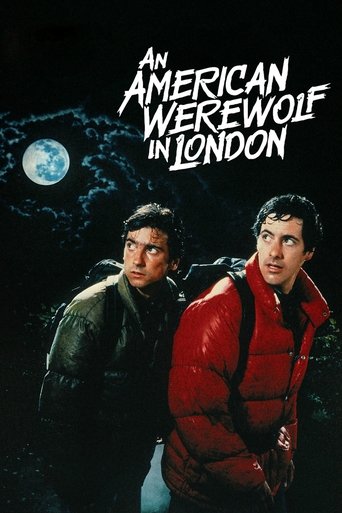
We begin with the film that defined the modern werewolf: The Wolf Man (1941), where Lon Chaney Jr.'s tragic Lawrence Talbot brought a Shakespearean weight to the curse. From there, we leap across the Atlantic to the UK's The Curse of the Werewolf (1961), a Hammer horror that trades Hollywood's fog for Spanish sun and adds a tragic backstory of rape and revenge. The psychological transformation deepens with An American Werewolf in London (1981), John Landis's genre-blending masterpiece that mixes gut-wrenching horror with dark comedy, and whose Oscar-winning makeup effects remain a benchmark.
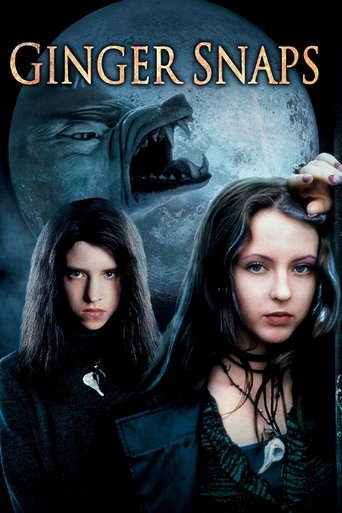
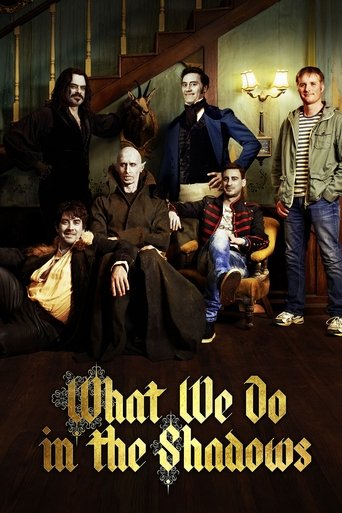
But the werewolf is not just a Western archetype. We travel to Japan for The Wolf Guy (1975), a wild, cult oddity that blends werewolf lore with martial arts and conspiracy, showing how the creature can be repurposed for pulp thrills. Then to France for Ginger Snaps (2000), a Canadian indie that uses lycanthropy as a metaphor for adolescence and female friendship, proving the subgenre can be fiercely intelligent. The comedy reaches its zenith with What We Do in the Shadows (2014), where a werewolf pack's monthly transformation is played for laughs, yet still honours the creature's tragicomic potential.
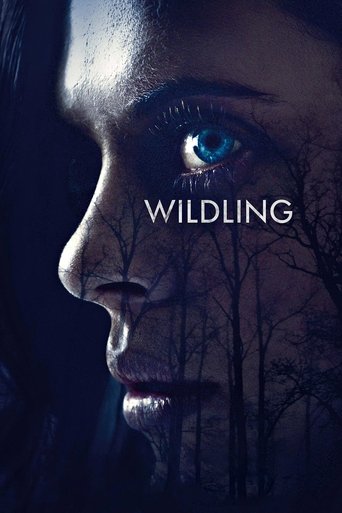
Our final two films push the werewolf into arthouse territory. Wolf (1994) stars Jack Nicholson as a book editor whose transformation is as much about midlife crisis as it is about fur and fangs, while Wildling (2018) reimagines the myth as a coming-of-age fable about a girl raised in captivity who discovers her true nature. Together, these eight films show that the werewolf is a creature of endless reinvention, capable of terrifying, amusing, and moving us in equal measure.
Lon Chaney Jr. gives a career-defining performance as Larry Talbot, a man cursed by a bite and doomed to transform under the full moon. Universal's classic establishes the werewolf mythos for generations.
The Wolf Man → The Curse of the Werewolf
The Link
From the Universal template, we move to Hammer's gothic reinvention, which deepens the tragedy and adds a psychological layer to the curse, setting the stage for more complex transformations.
Hammer's first and only werewolf film, starring Oliver Reed as a man born under a curse, with tragic roots in rape and violence. A more explicit and tragic take on the myth.
The Curse of the Werewolf → An American Werewolf in London
The Link
Landis takes the tragic template and injects it with dark humour and visceral terror, showing that the werewolf can be both scary and funny, and pushing the subgenre in bold new directions.
John Landis's genre-defying masterpiece mixes horror and comedy, with groundbreaking makeup effects by Rick Baker. A tourist's nightmare on the Yorkshire moors.
An American Werewolf in London → Wolf Guy
The Link
Leaving the West, this Japanese film reimagines the werewolf as a superhuman avenger, proving the creature can be adapted to any genre, from horror to action.
A Japanese cult oddity starring Sonny Chiba as a man who inherits werewolf powers, blending martial arts, conspiracy, and exploitation. A wild, pulpy take on the myth.
Wolf Guy → Ginger Snaps
The Link
From pulp to poignancy, this film grounds the werewolf in teenage angst, making the transformation a powerful symbol of growing up and the fear of becoming someone else.
A Canadian indie that uses lycanthropy as a metaphor for puberty and sisterhood. Two outcast sisters face the horrors of transformation, both literal and metaphorical.
Ginger Snaps → What We Do in the Shadows
The Link
After the emotional weight of Ginger Snaps, this comedy shows the werewolf as a source of pure humour, yet still acknowledges the curse's absurdity and the pack's camaraderie.
A mockumentary about vampire flatmates in Wellington, featuring a werewolf pack led by Anton. The werewolves are a comic side note, but their transformation scenes are hilarious.
What We Do in the Shadows → Wolf
The Link
From comedy to drama, this film treats lycanthropy as a metaphor for male menopause and sexual awakening, showing the werewolf can be a vehicle for serious character study.
Mike Nichols's adult drama stars Jack Nicholson as a book editor whose bite awakens his primal instincts, leading to a midlife crisis and a new lease on life. A sophisticated take on the myth.
Wolf → Wildling
The Link
The chain ends with a reimagining that returns to the tragic roots of the curse, but from a fresh perspective, showing how the werewolf remains a potent symbol for identity and self-discovery.
A modern fable about a girl raised in captivity who discovers she is a werewolf. A coming-of-age story that blends fairy tale and body horror, with a feminist twist.
Related Chains
Explore
Log in to leave a comment.
No comments yet.