The Fly
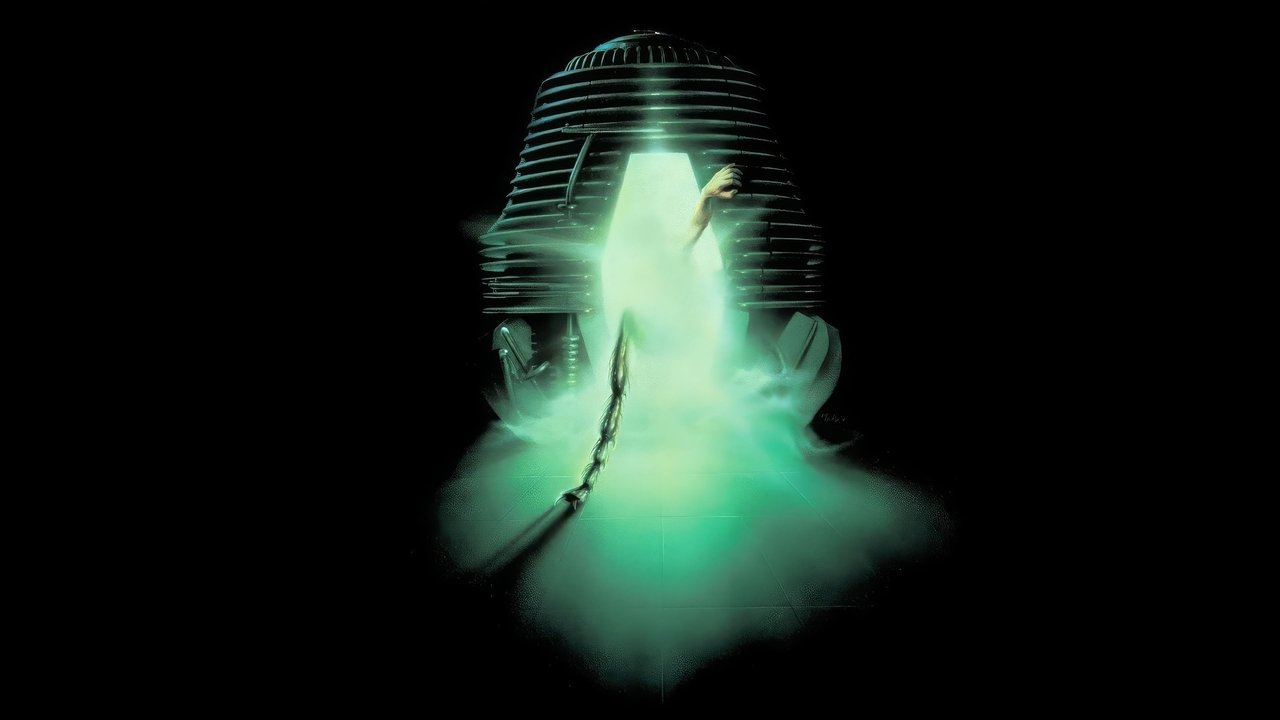
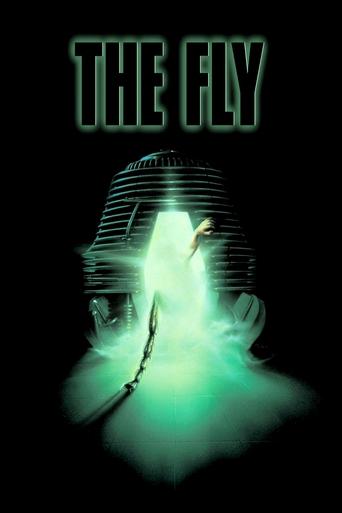
Cronenberg's remake of the 1958 classic, in which a scientist's teleportation experiment fuses his DNA with a housefly, leading to a harrowing, gradual transformation.
Chain
From Kafka's insect to Cronenberg's flesh, a journey through cinema's most profound transformations, where identity itself is the shape-shifter.
Cinema has always been the art of the impossible, and few impossibilities are as potent as the transformation of the human body. This chain of eight films traces the many faces of metamorphosis, from the literal horrors of the werewolf and the insect to the quieter, no less devastating shifts of addiction, illness, and ageing. Each film treats the changing body as a crucible for identity, asking what remains when the familiar shell cracks open.
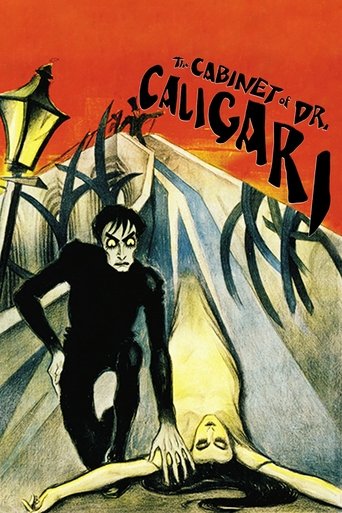
We begin with David Cronenberg's 1986 remake of The Fly, a film that turns the mad-scientist trope into a tragic opera of flesh. Jeff Goldblum's Seth Brundle doesn't just become a monster; he becomes a new kind of being, his humanity dissolving in stages that are both grotesque and heartbreaking. Cronenberg's genius is to make the transformation feel like a disease, a process that is at once inevitable and deeply personal. From there, we leap to the surrealist nightmare of The Cabinet of Dr. Caligari (1920), where the body isn't transformed but the mind is, and the world itself bends into a fever dream. It's a reminder that metamorphosis can be psychological, a warping of perception that makes the familiar strange.
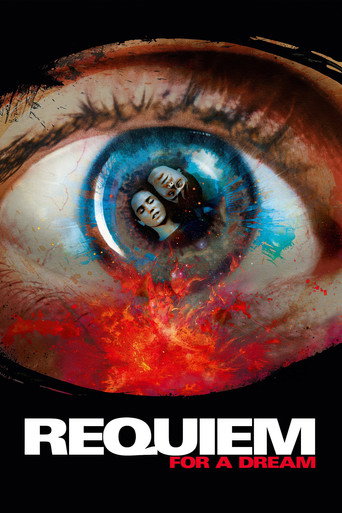
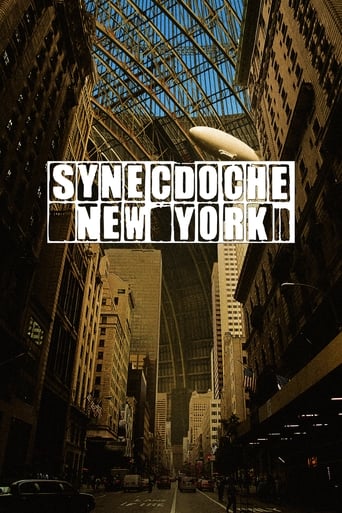
The chain then takes a sharp turn into the everyday with Requiem for a Dream (2000), Darren Aronofsky's brutal study of addiction. Here, transformation is a slow, agonising decay, the body and mind hollowed out by obsession. It's a far cry from the fantastical horror of Cronenberg, yet the same question pulses beneath: what happens to the self when the body betrays it? We follow with Synecdoche, New York (2008), Charlie Kaufman's dizzying meditation on ageing and mortality, where the protagonist's life becomes a theatre piece that swallows itself. The transformation here is existential, a spiral into the infinite regress of self-awareness.
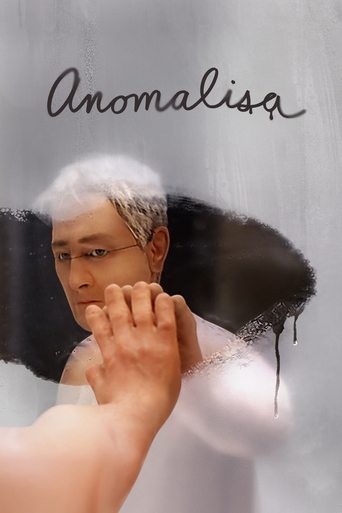
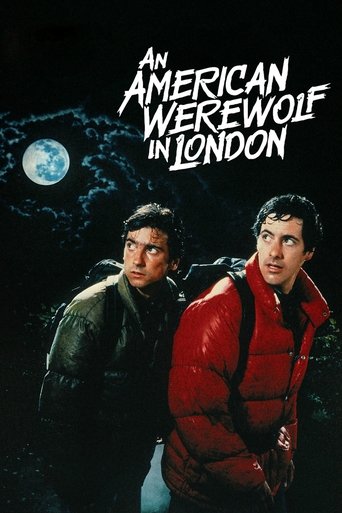
To ground these flights of fancy, we include Anomalisa (2015), a stop-motion wonder that uses a single actor voicing every character to express the protagonist's inability to see others as distinct. It's a subtle metamorphosis, one of perception rather than flesh, and it deepens the theme of isolation that runs through the chain. Then, a return to the visceral with An American Werewolf in London (1981), John Landis's horror-comedy that boasts one of the most astonishing practical effects sequences ever filmed. The transformation scene is a ballet of pain, a testament to the body's rebellion against the self.
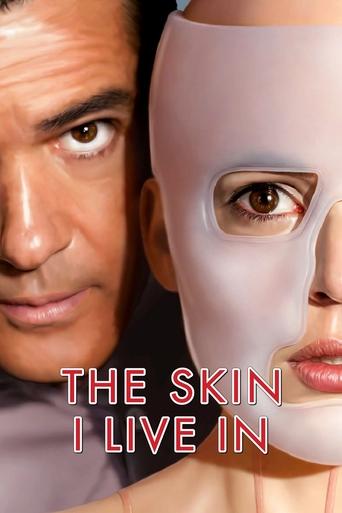
We close with The Skin I Live In (2011), Pedro Almodóvar's surgical thriller about identity, revenge, and the ultimate violation of the body. It's a film that twists the theme of transformation into a knot of ethical and existential questions, leaving us to ponder the mutability of who we are. Together, these eight films form a constellation, each a different answer to the same question: when we change, who is it that changes? The answer, as these films show, is never simple.
Cronenberg's remake of the 1958 classic, in which a scientist's teleportation experiment fuses his DNA with a housefly, leading to a harrowing, gradual transformation.
The Fly → The Cabinet of Dr. Caligari
The Link
From the physical mutation of Brundle's body, we shift to a transformation of the mind itself: Caligari's world is a subjective nightmare, where perception itself is warped, setting the stage for metamorphosis as psychological.
German Expressionist landmark about a hypnotist who controls a somnambulist to commit murders, told through a distorted, painted world that mirrors a fractured mind.
The Cabinet of Dr. Caligari → Requiem for a Dream
The Link
Caligari's hypnotic control finds a modern parallel in the grip of addiction: Requiem shows transformation as a slow, tragic erosion of self, a far more mundane but equally devastating horror.
Aronofsky's relentless portrayal of four individuals whose lives spiral out of control through drug addiction, each losing their identity in a haze of delusion and despair.
Requiem for a Dream → Synecdoche, New York
The Link
Where Requiem depicts the physical decay of addiction, Synecdoche explores the existential decay of ageing: Caden Cotard's life becomes a performance, his identity dissolving into the infinite regress of his own creation.
Kaufman's labyrinthine drama about a theatre director who builds a life-sized replica of New York inside a warehouse, blurring the lines between art and life as he ages and decays.
Synecdoche, New York → Anomalisa
The Link
Synecdoche's protagonist is trapped in his own mind; Anomalisa's Michael Stone is trapped in a world where everyone else is a blur. His transformation is one of perception, a rare flicker of connection in a life of sameness.
A stop-motion film about a customer-service expert who perceives everyone as having the same face and voice until he meets a woman who seems unique, offering a brief escape from his existential ennui.
Anomalisa → An American Werewolf in London
The Link
After the subtle perceptual shift of Anomalisa, we return to the visceral: the werewolf's transformation is a full-body assault, a primal counterpart to the quiet dislocations we've witnessed, and a landmark of practical effects.
Landis's horror-comedy about two American backpackers attacked by a werewolf on the Yorkshire moors, one of whom survives to undergo a painful, spectacular transformation.
An American Werewolf in London → The Skin I Live In
The Link
The werewolf's transformation is involuntary, but in The Skin I Live In, it is deliberate and cruel: a surgeon remakes another person's body and identity, taking metamorphosis to its most chilling, personal extreme.
Almodóvar's thriller about a plastic surgeon who keeps a mysterious woman prisoner in his house, performing experimental skin grafts that conceal a dark history of revenge and identity theft.
Related Chains
Explore
Log in to leave a comment.
No comments yet.