Log in Sign up

Silent Cinema's Lost Voices

A journey through the overlooked pioneers and rediscovered treasures of the silent era, from Hollywood's golden age to the avant-garde edges of early cinema.

· ·

Silent cinema is often reduced to a handful of names: Chaplin, Keaton, Griffith. But the first three decades of film were a vast, experimental playground where hundreds of filmmakers shaped the language of cinema, only to be forgotten when sound arrived. This chain is a corrective, a tour through the shadows of early Hollywood and beyond, where the boldest visions were often the least remembered.

We begin with a film that celebrates the very act of rediscovery, then travel backwards through time to meet the artists who made the medium new. Each step pulls a different thread: the slapstick genius who out-Keatoned Keaton, the German expressionist who turned the camera into a subjective eye, the Soviet montage poet who cut with a revolutionary's fury, the French impressionist who painted with light, and the American maverick who built a cinematic empire on the edge of the map.

These are not mere curiosities. They are essential chapters in the story of film, each one a key to understanding how we watch movies today. The chain moves from the known to the obscure, from the celebrated to the unjustly neglected, and in doing so, it redraws the map of early cinema.

By the end, you will have seen a side of the silent era that most histories skip, and you will understand why the work of these pioneers still matters. This is not a nostalgia trip; it is a rediscovery, a chance to experience the thrill of finding a lost masterpiece for the first time.

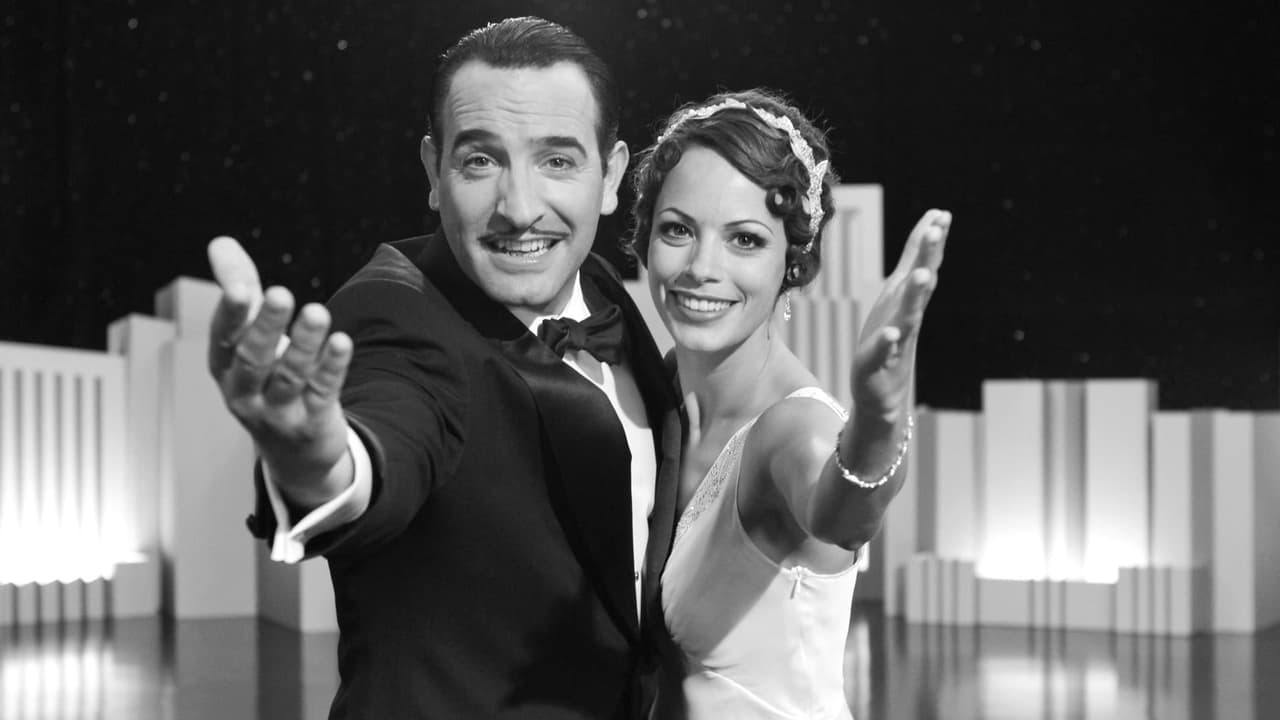
The Artist
1

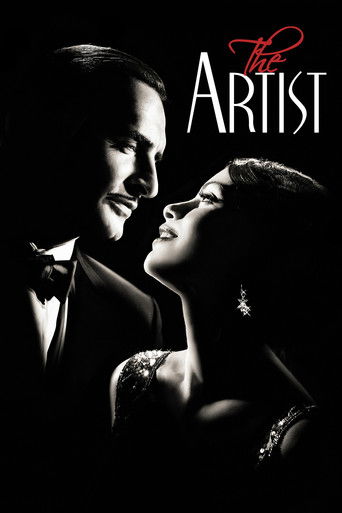
The Artist

2011 · dir. Michel Hazanavicius · 100 min

A silent film made in the 21st century, this Oscar-winning homage follows a silent star struggling with the arrival of talkies. It is a love letter to the era and a meditation on obsolescence.

The Artist The Cameraman

The Link

The Artist's homage to silent comedy finds its source in Keaton, whose precise, acrobatic gags here are the gold standard. Watching them side by side shows how much modern tributes owe to the original masters.

The Cameraman
2

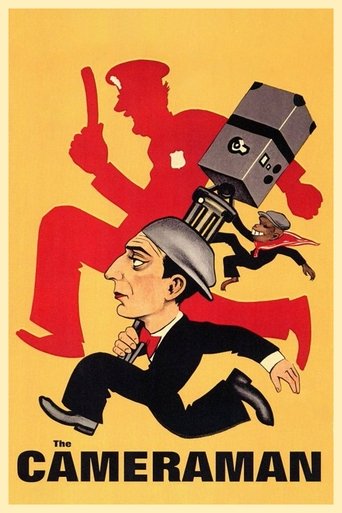
The Cameraman

1928 · dir. Edward Sedgwick · 74 min

Buster Keaton's last great silent feature, a comedy about a would-be newsreel cameraman. It is a masterclass in physical comedy and visual storytelling, and a poignant farewell to the silent era.

The Cameraman The General

The Link

From The Cameraman's urban comedy to The General's large-scale action, Keaton's evolution is on full display. This film's meticulous choreography and real stunts raise the stakes, showing why Keaton was the era's most audacious physical comedian.

The General
3

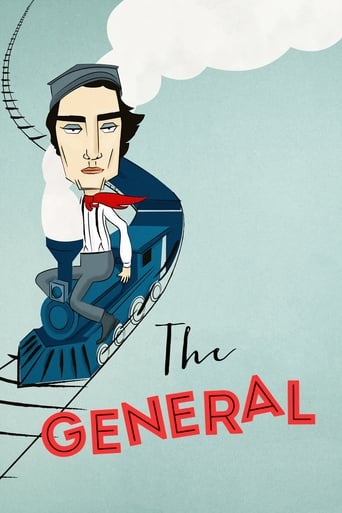
The General

1926 · dir. Buster Keaton · 79 min

Keaton's epic Civil War comedy, often cited as his masterpiece. A train engineer chases his stolen locomotive, blending breathtaking stunts with deadpan humour.

The General The Freshman

The Link

If Keaton is the deadpan acrobat, Lloyd is the eager optimist. The Freshman's campus satire and its famous football sequence offer a different flavour of silent comedy, one rooted in character and social anxiety.

The Freshman
4

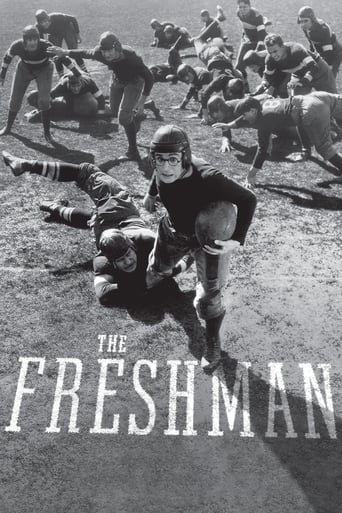
The Freshman

1925 · dir. Fred C. Newmeyer · 77 min

Harold Lloyd's iconic comedy about a college student desperate to be popular. His bespectacled everyman persona and thrill-seeking gags made him a rival to Chaplin and Keaton.

The Freshman The Last Laugh

The Link

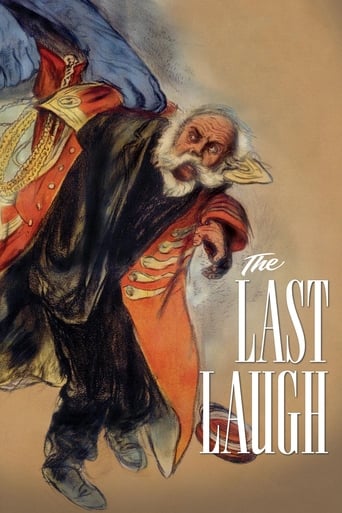
Where Lloyd's comedy stays grounded in recognisable reality, Murnau's film pushes cinema into subjective expression. The unbroken camera movements and the dreamlike final sequence show how far the medium had come from its theatrical roots.

The Last Laugh
5

The Last Laugh

1924 · dir. F. W. Murnau · 90 min

F.W. Murnau's German expressionist masterpiece about a hotel doorman demoted to washroom attendant. Told almost entirely through the camera's movements, it is a landmark of visual storytelling.

The Last Laugh The Crowd

The Link

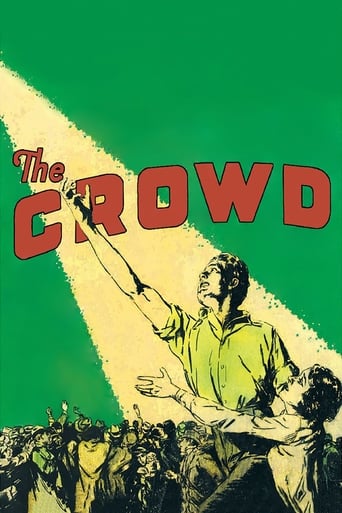
Murnau's expressionism gives way to Vidor's naturalism, yet both share a fascination with the individual against the masses. The Crowd's sweeping crane shots and its unflinching look at urban life offer a stark contrast to the stylised German sets.

The Crowd
6

The Crowd

1928 · dir. King Vidor · 98 min

King Vidor's gritty portrait of an ordinary man lost in the anonymity of New York City. A rare Hollywood film that embraces realism and social commentary.

The Crowd Man with a Movie Camera

The Link

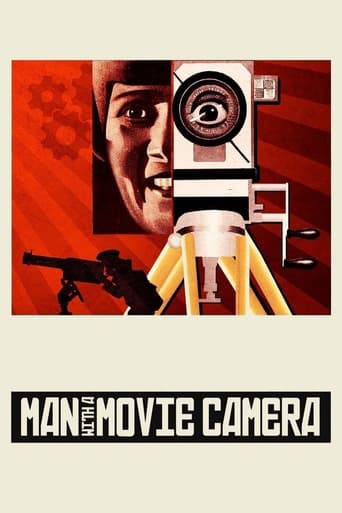
Vidor's film uses the camera to tell a story; Vertov's film makes the camera the story. This Soviet experiment in montage and visual rhythm challenges the very notion of narrative, expanding the possibilities of cinema.

Man with a Movie Camera
7

Man with a Movie Camera

1929 · dir. Dziga Vertov · 68 min

Dziga Vertov's revolutionary documentary, a city symphony that celebrates the camera's ability to capture life. Its rapid editing and self-reflexive tricks were decades ahead of their time.

Man with a Movie Camera The Passion of Joan of Arc

The Link

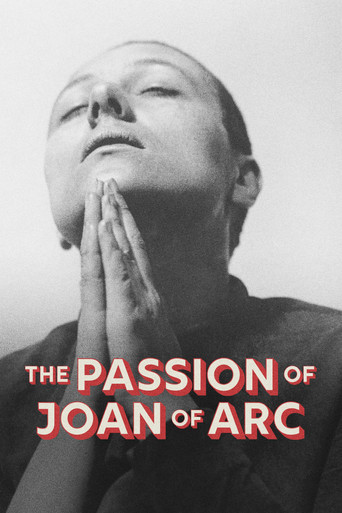
After Vertov's abstract city symphony, Dreyer's film returns to the human face with devastating intensity. Its sparse sets and intimate framing create a spiritual experience that transcends the silent era, proving that the medium's limitations could become its greatest strength.

The Passion of Joan of Arc
8

The Passion of Joan of Arc

1928 · dir. Carl Theodor Dreyer · 81 min

Carl Theodor Dreyer's towering masterpiece, a close-up study of Joan's trial and execution. Renée Falconetti's performance is considered one of the greatest in film history.

Where this chain leads

Log in to leave a comment.

No comments yet.