Log in Sign up

The Faces That Built Hong Kong Cinema

A journey through the character actors who gave Hong Kong films their soul, from the gritty streets of the 80s to the reflective dramas of the new century.

· ·

Hong Kong cinema has always been a cinema of faces. Not just the leading men and women who graced the posters, but the character actors who filled the frame with texture, humour, and menace. They are the reason a triad drama feels lived-in, a comedy lands its punchline, and a tragedy cuts deep. This chain celebrates those performers, tracing a line from the genre fireworks of the 1980s to the quieter, more introspective films of the 2000s, where their craft became even more essential.

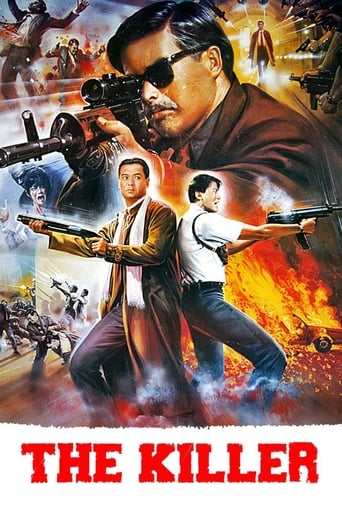
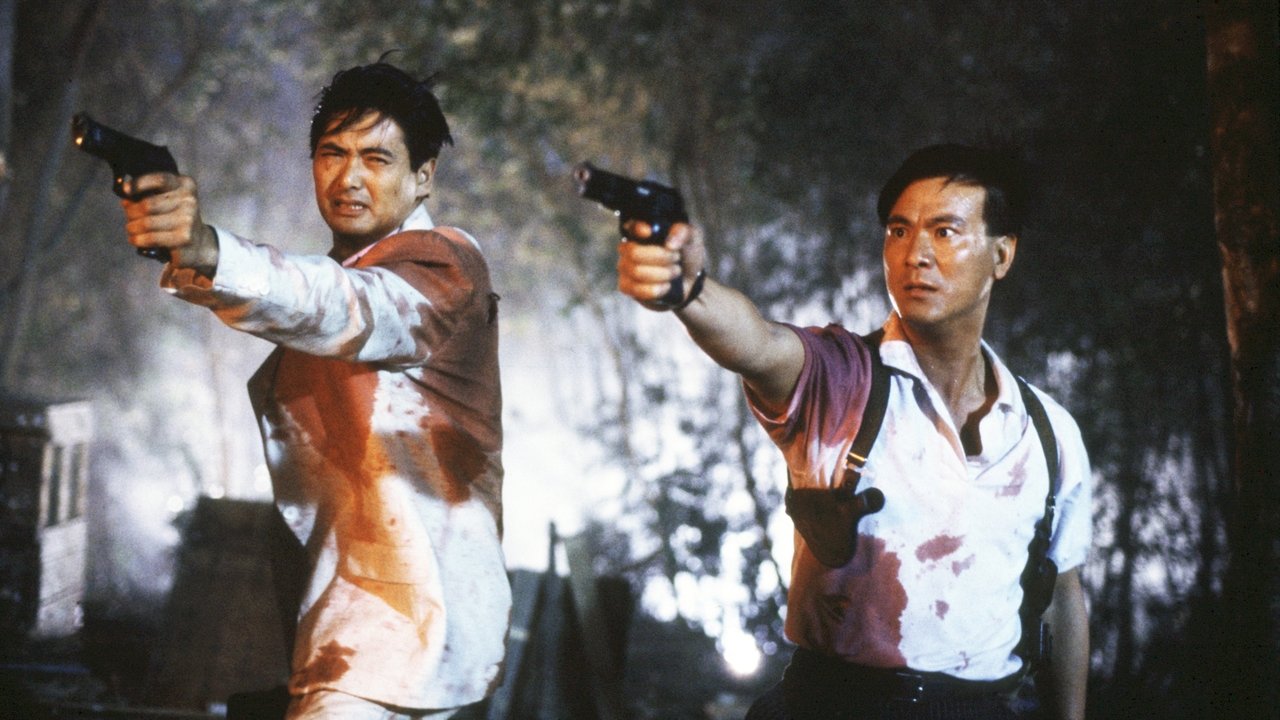
We begin with a film that turns a supporting player into the emotional core of a crime epic. John Woo's The Killer (1989) is remembered for its balletic gunplay, but it is Shing Fui-On's terrifying yet oddly sympathetic mob enforcer who gives the violence its weight. His presence, all coiled menace and sudden tenderness, sets the tone for a chain that values the unexpected depths in these performers.

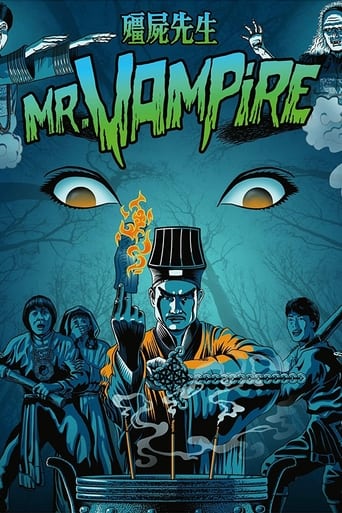
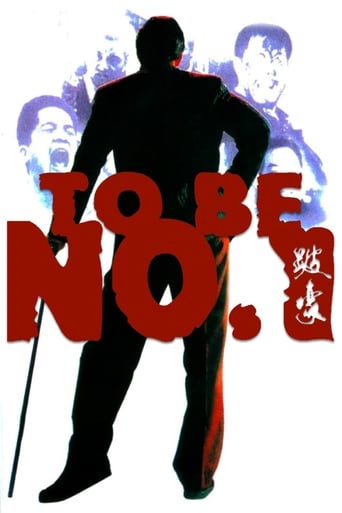
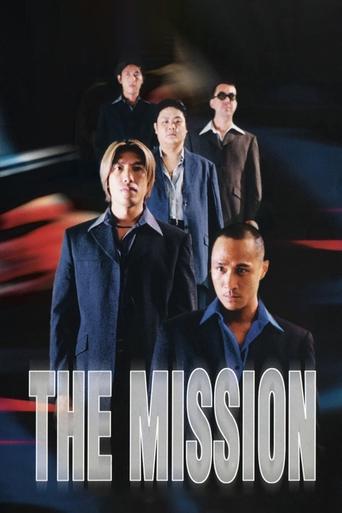
From there, we move to the comic genius of Anthony Chan, whose deadpan reactions in Mr. Vampire (1985) ground the supernatural silliness in something human. Then we shift to the tragic grandeur of Roy Cheung in To Be Number One (1991), a film that understands how a supporting role can haunt the entire narrative. The chain continues with Lam Suet, the ultimate Everyman of Johnnie To's universe, whose performance in The Mission (1999) proves that stillness can be as powerful as action.

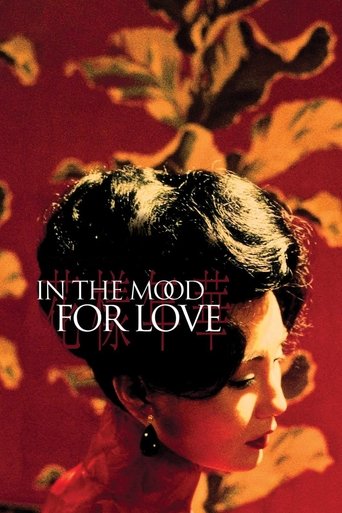
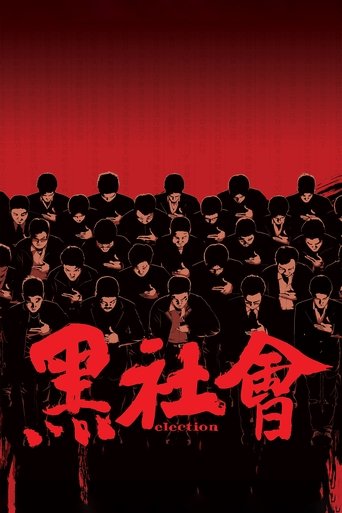
We then travel to the melancholic world of Wong Kar-wai, where Rebecca Pan's brief but unforgettable turn in In the Mood for Love (2000) adds a layer of history and loss. The Chain Gang's Lo Hoi-pang brings a grizzled authenticity to Election (2005), and finally, we land on the quiet devastation of Paw Hee-ching in After This Our Exile (2006), a performance that redefines what a supporting actress can achieve. Each of these films is a testament to the idea that the margins often hold the most compelling stories.

What unites these choices is a belief that character actors are not merely decoration. They are the connective tissue between the audience and the world on screen. They make the extraordinary feel ordinary, and the ordinary feel profound. This chain is an invitation to watch these films again, not for the stars, but for the faces that make them unforgettable.

The Killer
1

The Killer

1989 · dir. John Woo · 110 min

John Woo's operatic action masterpiece, where a hitman's moral code collides with a detective's obsession, and Shing Fui-On's enforcer adds a layer of terrifying unpredictability.

The Killer Mr. Vampire

The Link

From the gritty intensity of Shing Fui-On, we pivot to the deadpan comedy of Anthony Chan, showing how character actors can define a film's tone across genres.

Mr. Vampire
2

Mr. Vampire

1985 · dir. Ricky Lau · 98 min

A horror-comedy classic that mixes martial arts and hopping vampires, with Anthony Chan's bumbling priest providing the comic anchor.

Mr. Vampire To Be Number One

The Link

Roy Cheung's performance here echoes the moral complexity of Shing Fui-On's work, but in a more tragic register, proving that character actors can carry the emotional weight of a crime saga.

To Be Number One
3

To Be Number One

1991 · dir. Poon Man-Kit · 136 min

A gritty biopic of triad boss Ng Sik-ho, where Roy Cheung's portrayal of a loyal but doomed underling adds tragic depth.

To Be Number One The Mission

The Link

After the operatic violence of Woo and the epic scope of To Be Number One, The Mission strips the genre down to its bones, and Lam Suet's understated performance is the perfect counterpoint to Roy Cheung's theatricality.

The Mission
4

The Mission

1999 · dir. Johnnie To · 84 min

Johnnie To's minimalist crime thriller about a group of bodyguards, with Lam Suet's quiet, watchful presence as the group's moral compass.

The Mission In the Mood for Love

The Link

From the masculine world of triad thrillers, we enter the intimate, sensual universe of Wong Kar-wai, and Rebecca Pan's cameo shows how even the smallest role can resonate with memory and loss.

In the Mood for Love
5

In the Mood for Love

2000 · dir. Wong Kar-Wai · 99 min

Wong Kar-wai's exquisite meditation on longing and restraint, where Rebecca Pan's brief appearance as a landlady adds a layer of lived-in history.

In the Mood for Love Election

The Link

Lo Hoi-pang's performance in Election is a direct descendant of Lam Suet's quiet strength in The Mission, but here the stakes are higher and the world more cynical, showing the evolution of the character actor in To's cinema.

Election
6

Election

2005 · dir. Johnnie To · 101 min

Johnnie To's cold, precise look at triad succession, with Lo Hoi-pang as a grizzled elder statesman whose weary wisdom anchors the film's moral decay.

Election After This Our Exile

The Link

Paw Hee-ching's performance brings the chain full circle, from the explosive energy of Shing Fui-On to a quiet, devastating humanity that proves the character actor's art is one of profound empathy.

Where this chain leads

Genres

  • Crime
  • Action
  • Thriller
  • Drama
  • Comedy
  • Horror
  • Romance

Log in to leave a comment.

No comments yet.