1
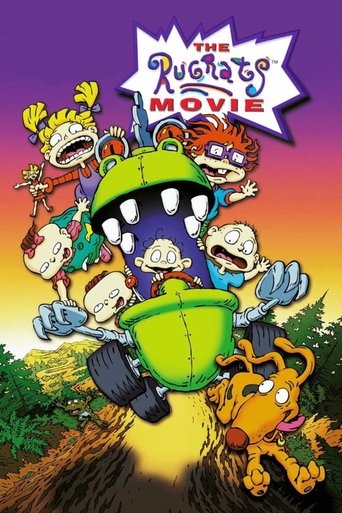
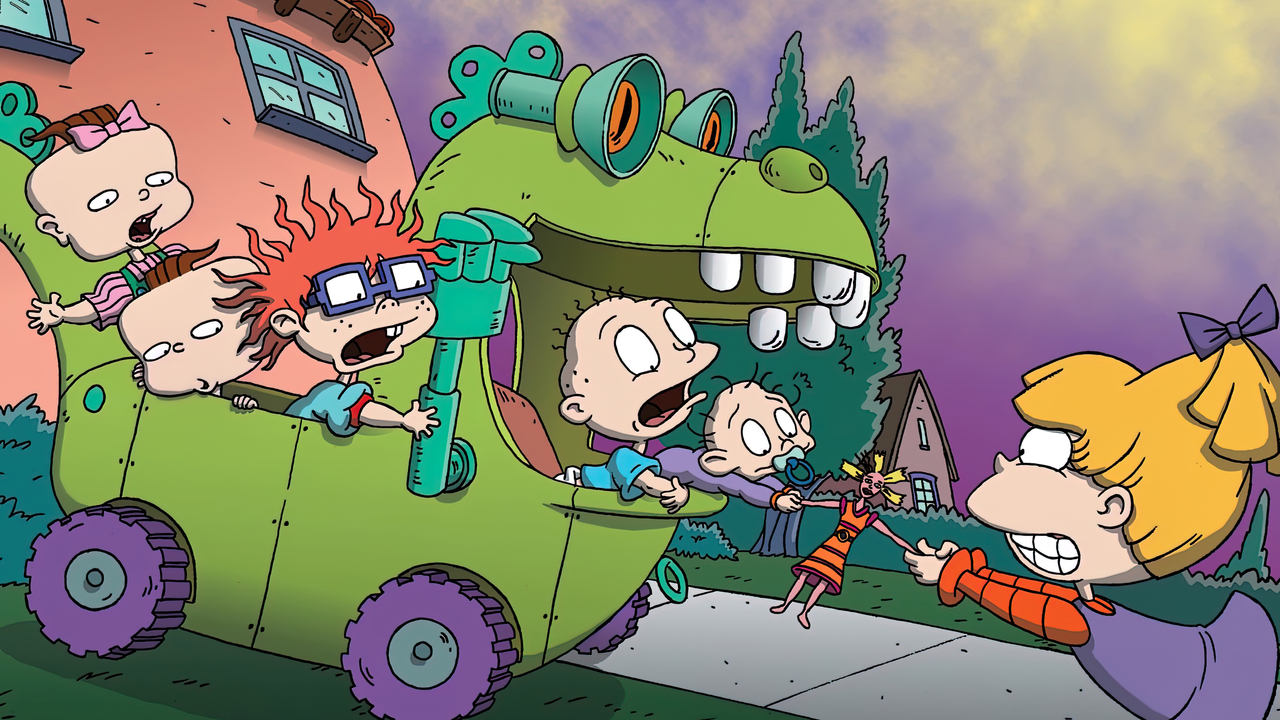
The Rugrats Movie
The first feature-length adventure for the Nickelodeon babies, as Tommy's world is turned upside down by a new sibling.
Chain
A journey through the films that turned television's intimate glow into cinema's grand spectacle, and back again.
There's a particular thrill in watching a story you thought you knew get stretched, compressed, and reimagined for the big screen. Television and cinema have always been uneasy siblings, sharing DNA but speaking different languages. This chain celebrates the films that dared to translate the small screen's domestic intimacy into the language of widescreen wonder, and those that reversed the flow, finding in the cinema's shadows a new way to tell stories we thought belonged to the living room.
We begin with a landmark of family animation that understood the power of the small screen as a launching pad. The Rugrats Movie (1998) took a beloved Nickelodeon series and blew it up to cinematic proportions, proving that the babies' adventures could sustain a feature-length narrative. It's a film about the anxiety of a new sibling, told with the slapstick energy that made the show a phenomenon. From there, we leap to the other side of the world and a very different kind of adaptation: My Neighbor Totoro (1988), a film that feels like it was always meant for the cinema, yet carries the gentle, episodic rhythm of a television serial. Its magic lies in the everyday, in the quiet moments of childhood wonder that no special effect can manufacture.
The chain then turns to the darker corners of adaptation. The Prisoner (1967) is not a film but a television series that became a cultural touchstone, its paranoid, labyrinthine narrative begging for a cinematic sequel. The 2009 film remake, starring Jim Caviezel, is a fascinating failure, a film that tries to capture the series' existential dread but loses its cryptic charm. It's a cautionary tale about the perils of literal adaptation. In contrast, The Simpsons Movie (2007) succeeded by embracing its own absurdity, taking the show's satirical edge and blowing it up to epic proportions, with a story that could only work on the big screen. It's a film that understands its source material's strengths and amplifies them.
Our journey then takes a detour through the strange world of Uzumaki (2000), a Japanese horror film adapted from Junji Ito's manga, which itself feels like a fever dream of television static. It's a film about obsession and pattern, and its visual style is a direct challenge to the clean, polished look of mainstream animation. Finally, we land on Paddington 2 (2017), a film that, while not a TV adaptation, embodies the spirit of the best family cinema: warm, witty, and utterly sincere. It's a film that treats its audience with respect, whether they're eight or eighty, and it serves as a reminder that the best adaptations, whether from page, screen, or imagination, are those that find a new truth in the telling.
The first feature-length adventure for the Nickelodeon babies, as Tommy's world is turned upside down by a new sibling.
The Rugrats Movie → My Neighbor Totoro
The Link
From the noisy, toyetic world of Rugrats, we move to a quieter kind of childhood wonder. Totoro shares the babies' sense of discovery but finds its magic in stillness and nature, proving that animation can speak in whispers as well as shouts.
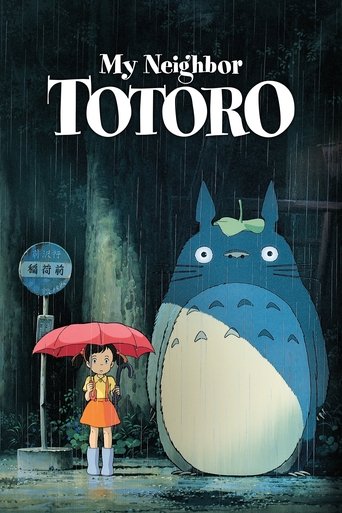
Hayao Miyazaki's gentle masterpiece about two sisters who befriend a forest spirit in rural Japan.
My Neighbor Totoro → The Embryo Hunts in Secret
The Link
Totoro's gentle rhythm gives way to paranoia. This adaptation of a beloved series takes the original's cryptic allegory and tries to make it literal, a fascinating failure that shows how the small screen's ambiguity can be lost in translation.

A remake of the cult 1960s TV series, following a man who resigns from his job only to be imprisoned in a mysterious village.
The Embryo Hunts in Secret → The Simpsons Movie
The Link
Where The Prisoner stumbles, The Simpsons Movie succeeds. It takes the show's satirical voice and scales it up without losing its edge, proving that a TV adaptation can be both faithful and cinematic.
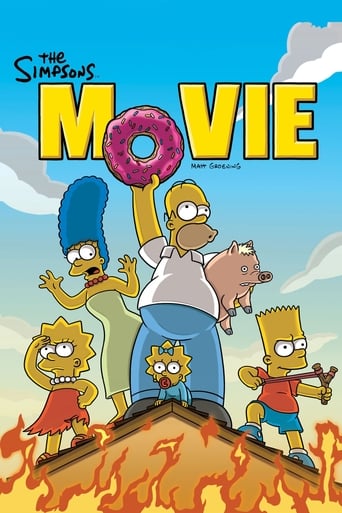
Springfield faces ecological disaster, and Homer must save the day in this big-screen outing for the long-running sitcom.
The Simpsons Movie → Uzumaki
The Link
From the bright satire of Springfield, we descend into the uncanny. Uzumaki, adapted from a manga, shares The Simpsons' sense of a community under threat, but its horror is existential, a visual nightmare that could never be contained by a sitcom's frame.
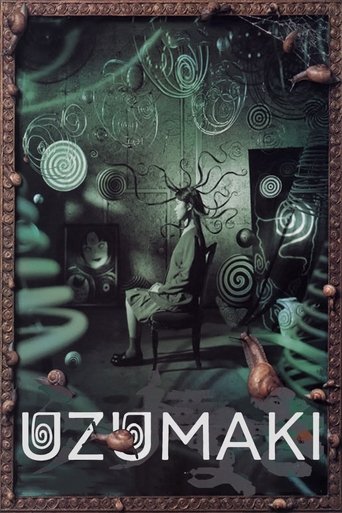
A small town is haunted by a strange obsession with spirals, based on Junji Ito's manga.
Uzumaki → Paddington 2
The Link
After the surreal horrors of Uzumaki, we find a return to warmth. Paddington 2, while not a TV adaptation, shares the spirit of the best family films, using its cinematic craft to tell a story of kindness and community that feels both timeless and essential.

The polite Peruvian bear is framed for a crime and must clear his name in this warm-hearted family comedy.
Related Chains
Explore
Log in to leave a comment.
No comments yet.