Log in Sign up

Open Doors: Cinema That Sees Everyone

From a deaf drummer to a queer romance in space, these eight films expand who gets to be a hero, a lover, a survivor. A journey through inclusive storytelling that never forgets the human at the centre.

· ·

Inclusive cinema is not a genre. It is a way of looking, a decision to turn the camera on people who have too often been left in the margins, and to trust that their stories are as universal as any other. The films in this chain span six decades and half a dozen countries, but they share a conviction: that representation is not a quota to be filled, but a door to be opened. Each one, in its own way, asks who gets to be seen, and what happens when we finally look.

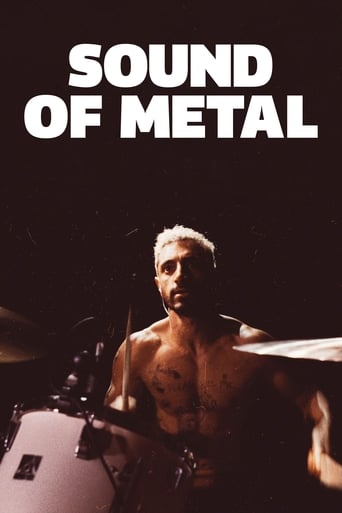
We begin with a film that rewired the senses. Sound of Metal (2019) drops us into the world of a drummer losing his hearing, and refuses to treat deafness as a tragedy. Instead, it plunges us into silence, then into a community where silence is not a lack but a language. It is a film about adaptation, about finding a new way to be in the world, and it sets the tone for a chain that celebrates difference as a source of strength.

From there we move to The Shape of Water (2017), a fairy tale for outsiders, where a mute woman and an amphibian creature find love across every boundary imaginable. Then Moonlight (2016), which traces a young Black man's journey to self-acceptance with a tenderness that feels revolutionary. Paddington 2 (2017) might seem like a departure, but its vision of a world that welcomes a bear with open arms is pure inclusivity, wrapped in marmalade and mischief. Everything Everywhere All at Once (2022) turns the multiverse into a family drama, and CODA (2021) gives us a hearing child in a deaf family, torn between two worlds. Roma (2018) centres an Indigenous domestic worker, and Parasite (2019) dismantles class with a genre-bending glee.

What unites these films is not just who they cast, but how they tell. They are formally adventurous, emotionally generous, and unafraid to mix tones. They understand that inclusion is not about ticking boxes, but about expanding the frame until it holds more of life. Watching them in sequence, you see a cinema that is becoming more honest, more playful, more human. It is a journey worth taking, one film at a time.

So here is a chain of eight films that open doors. Some are landmarks, others are quiet revelations, but all of them prove that when we let more people in, the stories get richer. Turn down the lights, and let them in.

Sound of Metal
1

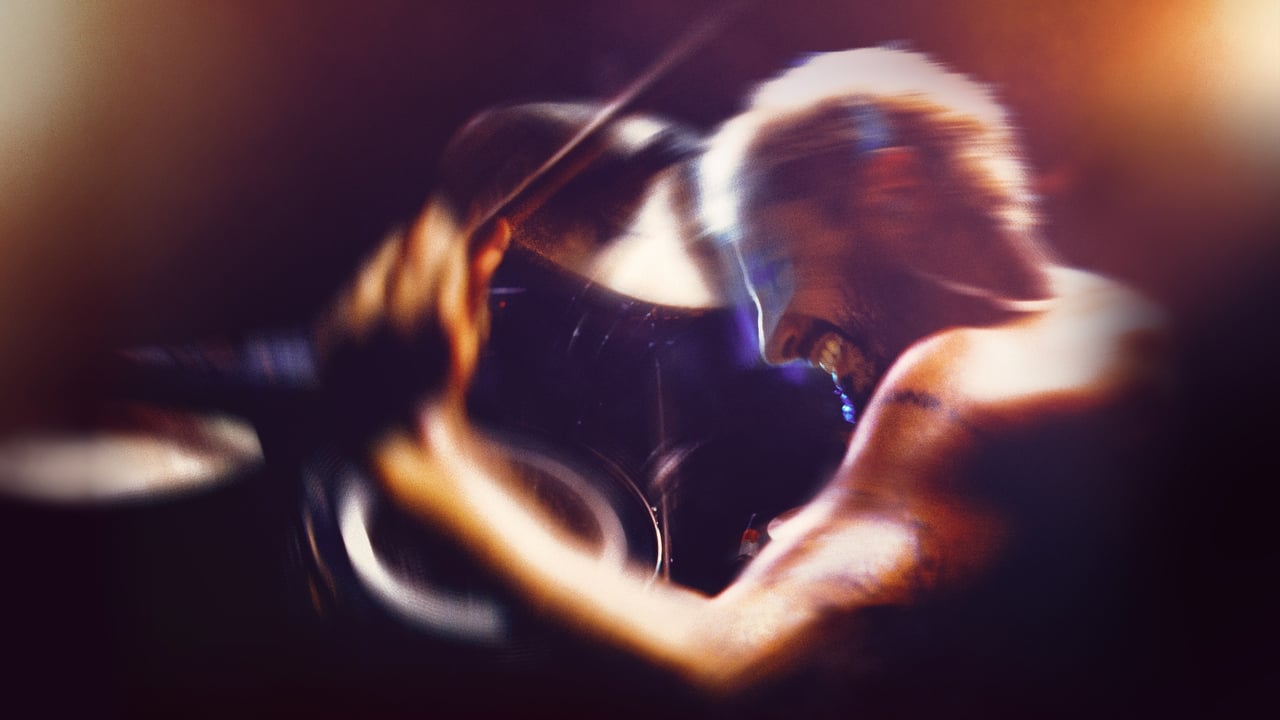
Sound of Metal

2020 · dir. Darius Marder · 121 min

A heavy-metal drummer begins to lose his hearing and is forced to confront a future without sound, finding a new community in a deaf residential school.

Sound of Metal The Shape of Water

The Link

From a protagonist who finds her voice in silence, we move to a heroine who communicates through sign language and touch, both films centring characters often overlooked by mainstream cinema.

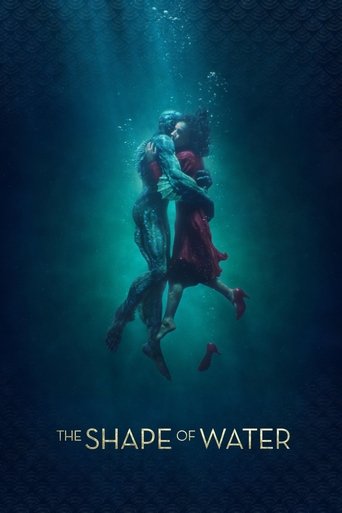
The Shape of Water
2

The Shape of Water

2017 · dir. Guillermo del Toro · 123 min

A mute cleaning woman at a secret government lab falls in love with an amphibious creature held captive, in Guillermo del Toro's dark fairy tale.

The Shape of Water Moonlight

The Link

Where del Toro's fantasy embraces the outsider, Barry Jenkins' realism does the same with a quiet, aching precision, showing that inclusive storytelling can be both intimate and epic.

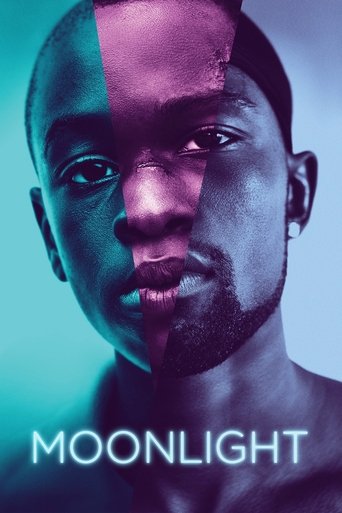
Moonlight
3

Moonlight

2016 · dir. Barry Jenkins · 112 min

A young Black man grows up in Miami, navigating identity, sexuality, and belonging across three defining chapters of his life.

Moonlight Paddington 2

The Link

After the raw emotional intensity of Moonlight, this is a shift in tone but not in spirit: a film that insists everyone, even a bear from darkest Peru, deserves kindness and a place to call home.

Paddington 2
4

Paddington 2

2017 · dir. Paul King · 104 min

Paddington Bear, now settled with the Browns, embarks on a quest to find the perfect present for his aunt, only to be framed for theft.

Paddington 2 Everything Everywhere All at Once

The Link

From Paddington's gentle optimism to the Daniels' anarchic multiverse, both films use genre to argue that the most inclusive worlds are the ones where love, in all its messy forms, wins.

Everything Everywhere All at Once CODA

The Link

Where Everything Everywhere fractures identity across dimensions, CODA focuses on a single, specific self caught between two cultures, deaf and hearing, in a story that is both deeply personal and broadly relatable.

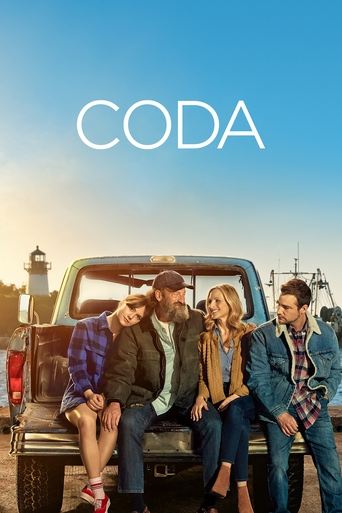
CODA
6

CODA

2021 · dir. Sian Heder · 112 min

The only hearing member of a deaf family, Ruby dreams of singing, but must balance her passion with her role as interpreter for her family's fishing business.

CODA Roma

The Link

From CODA's working-class Massachusetts to Alfonso Cuarón's Mexico City, both films centre on women whose labour sustains families, and whose inner lives are rendered with extraordinary care.

Roma
7

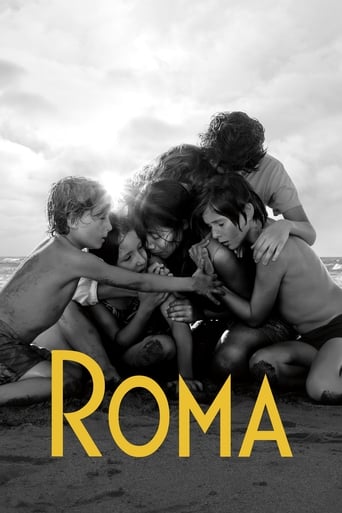
Roma

2018 · dir. Alfonso Cuarón · 135 min

A year in the life of a middle-class household in 1970s Mexico City, seen through the eyes of Cleo, an Indigenous domestic worker.

Roma Parasite

The Link

Roma and Parasite both expose the fault lines of class, but where Cuarón's gaze is compassionate, Bong Joon-ho's is incisive and genre-defying, proving that inclusive storytelling can also be a scathing social critique.

Parasite
8

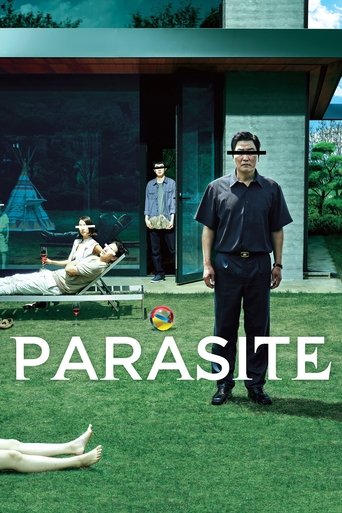
Parasite

2019 · dir. Bong Joon Ho · 133 min

A poor family schemes to infiltrate a wealthy household, with consequences that spiral into darkly comic and violent territory.

Where this chain leads

Genres

  • Music
  • Drama
  • Fantasy
  • Romance
  • Comedy
  • Adventure
  • Family
  • Action

Log in to leave a comment.

No comments yet.