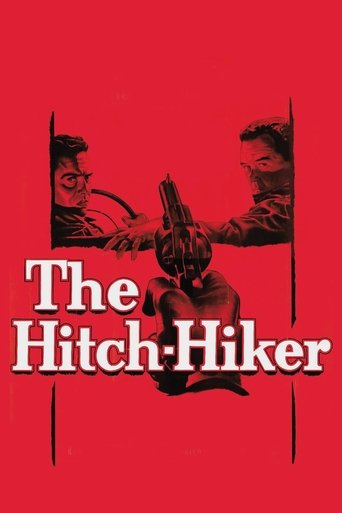
There is a particular thrill in watching a woman put a key in the ignition and simply go. The road movie has long been a masculine genre, a space for male restlessness and male self-mythology. But when the driver is a woman, the journey changes meaning. It becomes an act of refusal, a claiming of space, a declaration that her story will not be confined to the home, the marriage, or the expectations of others. This chain of eight films, spanning seven decades and four continents, traces that lineage: from the quiet desperation of a 1950s housewife to the neon-drenched rebellion of a Tokyo punk, each film offers a different shade of defiance, a different path to self-discovery.
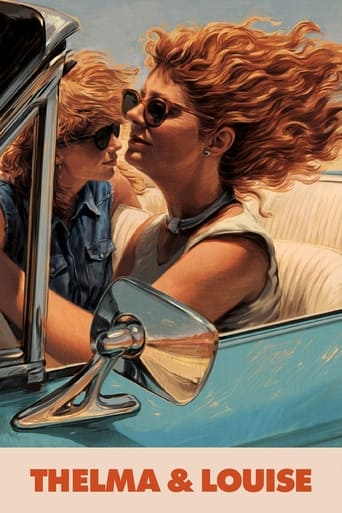
We begin in 1991, with a film that redefined the American road movie for a generation. Ridley Scott's Thelma & Louise is not just a landmark of feminist cinema; it is a masterclass in tonal control, veering from comedy to tragedy with a confidence that still takes the breath away. Susan Sarandon and Geena Davis give performances of fierce, lived-in warmth, and the film's final freeze-frame remains one of the most potent images in all of cinema: a refusal to go back, a choice to fly rather than fall. It is the perfect starting point, because it makes explicit what so many other films only imply: that for a woman, the road is not a luxury, but a necessity.
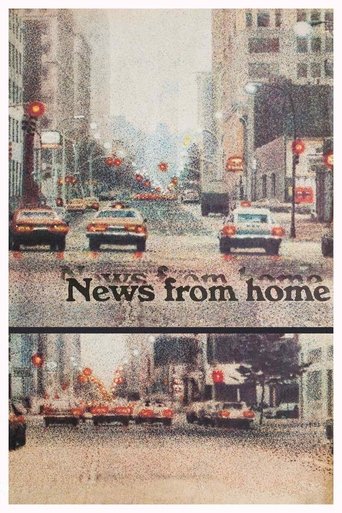
From that American classic, we travel back in time and across the Atlantic to a film that shows the road as a place of quiet, almost sacred, solitude. Chantal Akerman's News from Home (1977) is not a road movie in any conventional sense, but it is an escape narrative of the most profound kind. Akerman, a Belgian filmmaker adrift in New York, reads letters from her mother while the camera glides through the city's streets, capturing the loneliness and the liberation of being far from home. It is a film about the distance between a woman and her origins, and the self that is forged in that distance. It is a necessary counterpoint to Thelma and Louise's explosive energy: here, the escape is internal, the journey is the film itself.
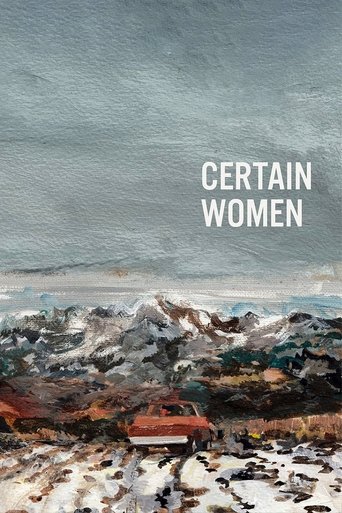
Our next stop is a road movie that is also a ghost story, a western, and a meditation on the American landscape. Kelly Reichardt's Certain Women (2016) is an ensemble piece, but its final segment, starring Lily Gladstone as a lonely rancher who drives hours to attend a night class, is a miniature masterpiece of longing. Gladstone's performance is a study in stillness, and the film's final shot, of her driving away from a woman she has briefly loved, is devastating. It speaks to the way the road can be a place of connection as much as escape, and how the act of driving can be a way of holding onto a moment that is already gone.
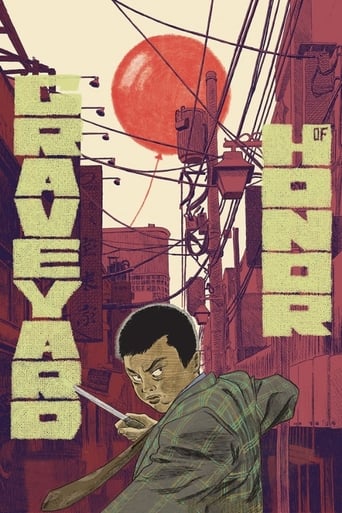
From the wide-open spaces of Montana, we move to the claustrophobic, rain-slicked streets of Tokyo. Kinji Fukasaku's Graveyard of Honor (1975) is not a film about a woman's journey, but it contains one of the most extraordinary female characters in the yakuza genre: the fierce, unbreakable Chieko, played by Yoko Takizawa. She is the partner of a violent, self-destructive gangster, and her story is one of survival and defiance in a world that offers women no escape. Her final act, a desperate drive through the city, is a moment of pure, tragic rebellion. It is a reminder that the road is not always a choice, but sometimes the only option left.
Our final film takes us to the sun-baked highways of the American Southwest, but with a very different sensibility. Allison Anders's Gas Food Lodging (1992) is a road movie that barely leaves the trailer park, yet it is suffused with the restless energy of its protagonist, a teenage girl named Trudi (Ione Skye) who dreams of escape. The film is a love letter to the women who are left behind, who wait for the men to leave and then find their own way. It is a gentle, funny, and deeply felt film, and its final image, of Trudi and her mother driving towards an uncertain future, is a quiet triumph. It reminds us that the road is not just about leaving; it is about the possibility of arriving somewhere new.
These eight films, in their different registers and styles, form a conversation about what it means for a woman to take control of her own motion. They are not all happy stories, and they are not all literal road movies. But they all share a belief that the act of moving, of driving, of walking away, is a fundamental expression of freedom. They are films that reward the patient viewer, that linger in the mind long after the credits roll. And they are, above all, a testament to the resilience and complexity of women on screen.