The Prestige
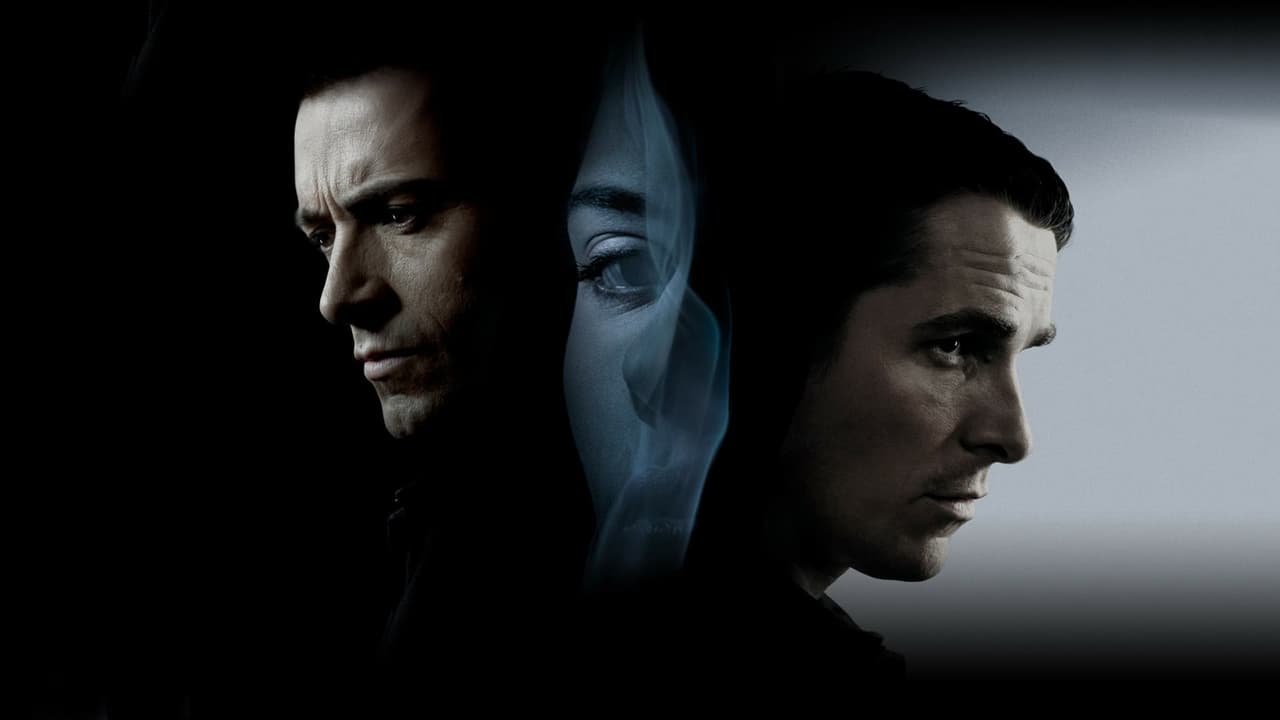
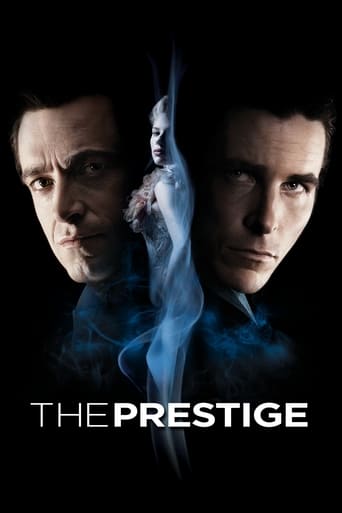
Two Victorian magicians, Robert Angier and Alfred Borden, engage in a bitter and destructive rivalry, each seeking to perfect the ultimate illusion. Their obsession leads to sacrifice, deception, and tragedy.
Chain
From duelling magicians to warring chefs, explore how rivalry reveals our deepest fears and desires. A cinematic journey through competition, obsession, and the thin line between love and hate.
Rivalry is the engine of drama. It sharpens stakes, exposes character, and often reveals more about the self than the opponent. This chain of films examines the psychological and emotional undercurrents of competition, moving from the overtly combative to the quietly corrosive. Each film, in its own way, argues that the fiercest battles are fought within.
We begin with The Prestige, a film that literalises the obsession of two magicians locked in a lifelong duel. Christopher Nolan's cold, precise direction mirrors the calculated cruelty of their escalating tricks. But rivalry here is not merely about winning; it's about self-destruction. The film's final revelation reframes the entire contest as a pact with the abyss, a theme that echoes through the rest of our journey.
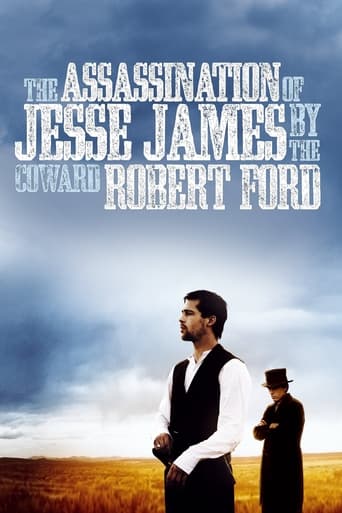
From the Victorian stage we move to the American West, where The Assassination of Jesse James by the Coward Robert Ford turns a historical feud into a study of idolatry and betrayal. Andrew Dominik's slow-burn epic, narrated by Hugh Ross, lingers on the intimacy between the outlaw and his admirer. The rivalry is one-sided, yet it consumes both men, leading to a murder that feels less like victory than suicide. This film deepens our understanding of how envy can curdle into violence.
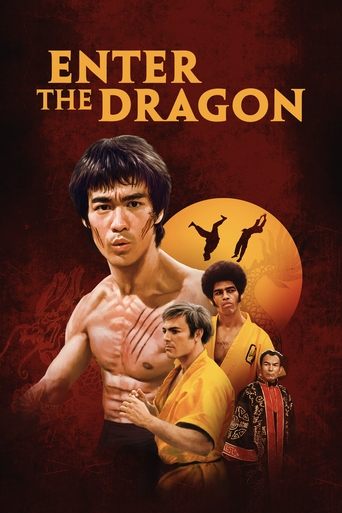
The chain then shifts across continents and eras, from the martial arts arena of Enter the Dragon to the culinary battleground of The Taste of Things. Each pairing explores a different facet of rivalry: the physical versus the intellectual, the public spectacle versus the private torment. In Enter the Dragon, the tournament on Han's island is a clash of philosophies, with Bruce Lee's disciplined hero pitted against the excesses of a drug lord. The film's final confrontation is a triumph of will, but it leaves a residue of unease.
The Taste of Things, a 2023 French romance, inverts the expected rivalry. Here, the conflict is not between two chefs but between a chef and her own body, her passion for cooking set against the fragility of life. The film's sensuous detail, from the simmering sauces to the quiet glances, suggests that the greatest rival may be mortality itself. This quieter, more intimate struggle offers a counterpoint to the explosive duels earlier in the chain.
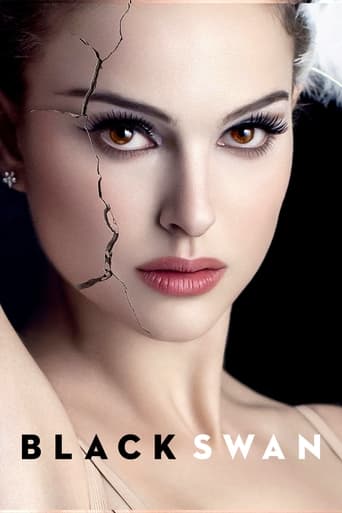
We then descend into the psychological labyrinth of Black Swan, where a ballerina's rivalry with her understudy becomes a schizophrenic nightmare. Darren Aronofsky's film pushes the theme to its breaking point, blurring the line between competitor and doppelgänger. The final scene, a performance that costs everything, asks whether any victory is worth the price. This is rivalry as psychosis, a cautionary tale about the dangers of losing oneself in the pursuit of perfection.
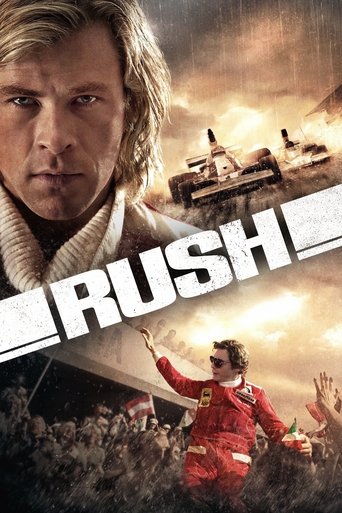
Finally, we arrive at Rush, Ron Howard's adrenaline-fuelled account of the 1976 Formula One season. The rivalry between James Hunt and Niki Lauda is legendary, but Howard's film finds the humanity beneath the helmets. Hunt's hedonism and Lauda's precision are two poles of a single obsession, and their mutual respect, born from near-death, elevates the film beyond mere sports drama. It is a fitting conclusion, showing that rivalry, when tempered by grace, can become a form of friendship.
These eight films, spanning genres and decades, share a common thread: the recognition that our adversaries are often our mirrors. Whether on a stage, a racetrack, or a kitchen, the struggle against another is always a struggle with ourselves. The chain invites you to consider not just who wins, but what is lost and gained in the fight.
Two Victorian magicians, Robert Angier and Alfred Borden, engage in a bitter and destructive rivalry, each seeking to perfect the ultimate illusion. Their obsession leads to sacrifice, deception, and tragedy.
The Prestige → The Assassination of Jesse James by the Coward Robert Ford
The Link
From the theatrical rivalry of magicians, we move to the historical and psychological duel between Jesse James and Robert Ford. Both films examine how obsession with another person can consume one's identity, leading to a destructive climax.
A mythic Western that explores the complex relationship between the infamous outlaw Jesse James and his young admirer, Robert Ford, whose envy and desire for recognition culminate in betrayal.
The Assassination of Jesse James by the Coward Robert Ford → Enter the Dragon
The Link
Where Jesse James and Ford's rivalry was internal and brooding, Enter the Dragon externalises conflict into physical combat. Yet the tournament setting still probes the psychological stakes of facing a formidable opponent, echoing the earlier film's tension between admiration and enmity.
A martial arts master is recruited by intelligence agencies to infiltrate a tournament hosted by a reclusive crime lord. The competition becomes a deadly confrontation between opposing philosophies.
Enter the Dragon → The Taste of Things
The Link
After the explosive physical rivalry of Enter the Dragon, this film offers a quieter, more intimate struggle. The central conflict is not between two people but between a woman's love for cooking and her own mortality, a rivalry that mirrors the internal battles seen in the previous films.
In 19th-century France, a renowned chef and the woman he loves, who is also a brilliant cook, navigate a relationship defined by their shared passion for cuisine, as she faces a terminal illness.
The Taste of Things → Black Swan
The Link
The Taste of Things presents a rivalry with fate, while Black Swan intensifies the theme into a full-blown psychological breakdown. Nina's rivalry with Lily is a projection of her own self-doubt, echoing the internalised conflicts of earlier films but pushing them to a terrifying extreme.
A committed ballerina lands the lead role in Swan Lake, but her rivalry with a new dancer spirals into a psychological nightmare, blurring the lines between reality and hallucination.
Black Swan → Rush
The Link
After the hallucinatory rivalry of Black Swan, Rush grounds the theme in reality. The rivalry between Hunt and Lauda is external and tangible, yet it still reveals their inner drives and vulnerabilities, showing that competition can forge respect and even friendship.
The true story of the 1976 Formula One season, where playboy James Hunt and methodical Niki Lauda engage in a fierce championship battle that nearly costs Lauda his life.
Rush → Amadeus
The Link
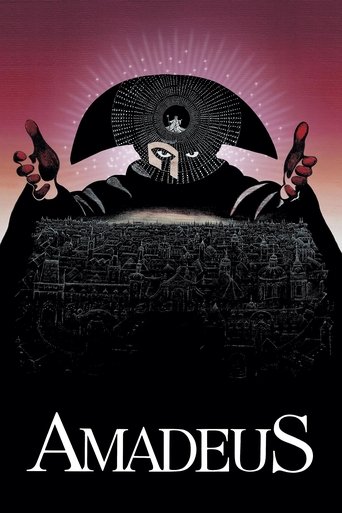
Rush's rivalry is ultimately respectful, but Amadeus returns to the destructive envy of earlier films. Salieri's hatred for Mozart is a battle against God, a rivalry that consumes his soul and echoes the self-destructive obsession of The Prestige.
Court composer Antonio Salieri, consumed by envy, plots against the prodigious Wolfgang Amadeus Mozart, whose effortless genius torments him. A tale of artistic rivalry and divine injustice.
Amadeus → The Duellists
The Link
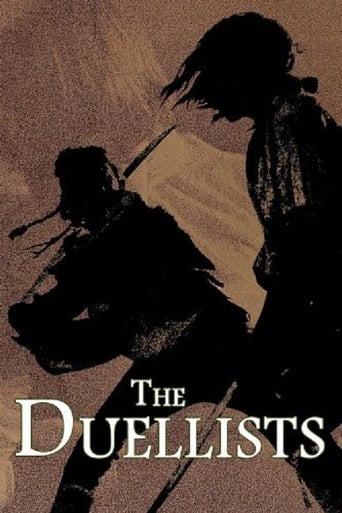
Amadeus shows rivalry as a lifelong torment, and The Duellists literalises that idea with repeated duels spanning decades. Ridley Scott's debut film distils the theme to its purest form: a conflict that outlives its original cause, becoming a defining purpose for both men.
Two French officers, Armand d'Hubert and Gabriel Feraud, engage in a series of duels over a period of 15 years, their rivalry becoming a matter of honour and obsession.
Related Chains
Explore
Log in to leave a comment.
No comments yet.