Log in Sign up

The prestige is the trick you never see coming

A chain of films about magicians, mediums and con artists, tracing the moment cinema learned to lie to us and we learned to love it.

· ·

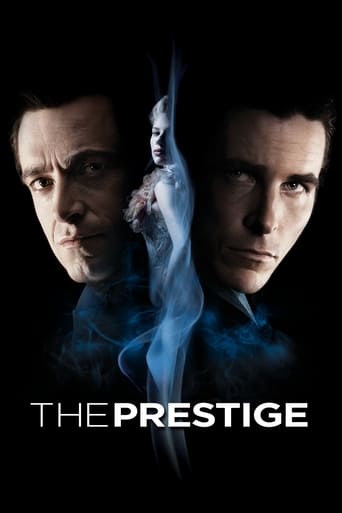
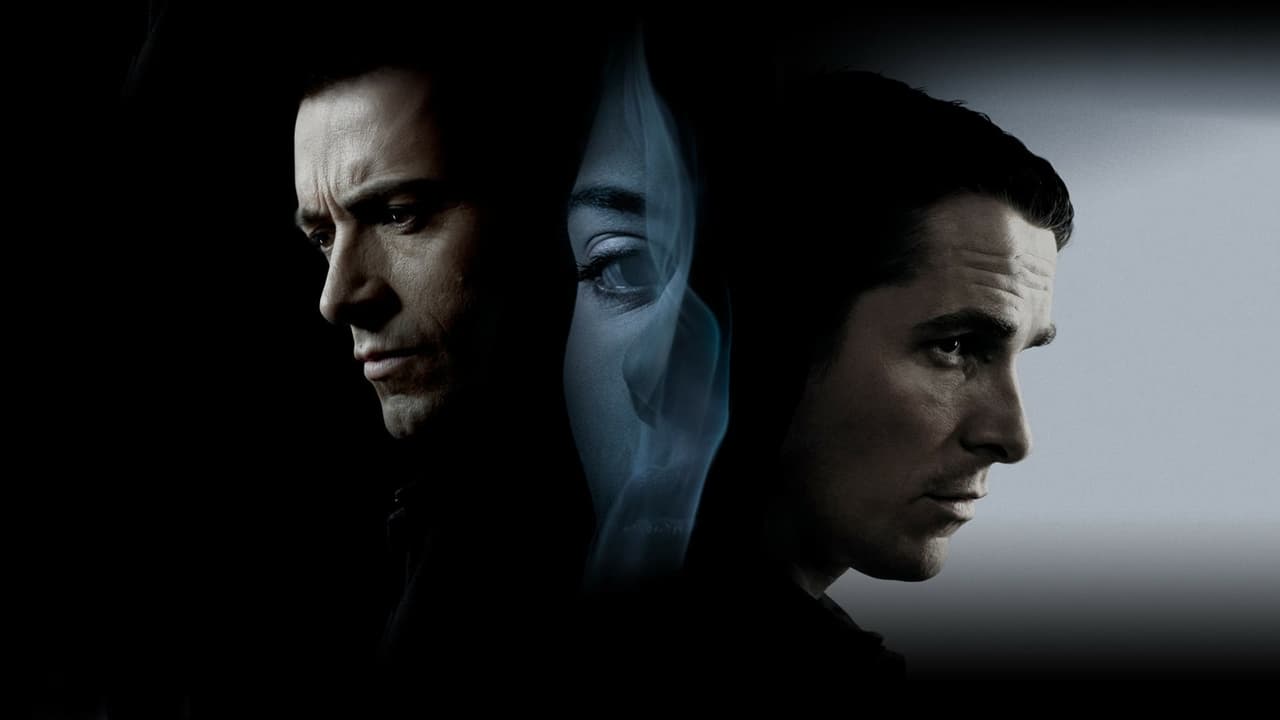
Christopher Nolan's The Prestige (2006) opens by telling us exactly what a magic trick is: the pledge, the turn, the prestige. Then it performs that structure on us, twice over, while two Victorian illusionists (Christian Bale and Hugh Jackman) destroy each other in pursuit of a trick that cannot be shared. The film's real subject is not rivalry but the contract between performer and audience: we agree to be deceived, and we agree not to look too closely at the machinery. Nolan, working with his brother Jonathan's screenplay, keeps the machinery visible and dares us to keep watching anyway. David Bowie's turn as Nikola Tesla is a small masterclass in withheld revelation, and the final image of endless tanks is one of the great cruel punchlines in modern cinema.

That contract is older than Nolan. Cinema began as a trick. Georges Melies, a stage magician by trade, discovered that the camera could stop, substitute and reappear, and he built a career on the audience's willingness to be fooled. Tod Browning, who ran away with a circus before he ran a film set, understood that the freak show and the cinema are the same bargain: come and look, but pay first. Alfred Hitchcock, in Stage Fright (1950), broke the unwritten rule that the camera never lies, and the outrage that followed proved how deeply the rule had been believed. Jacques Rivette, in Duelle (1976), made a film in which two goddesses fight over a jewel and the plot itself seems to be withholding its own solution.

The chain below moves from the trick film through the circus, the theatre, the con and the séance, and back to Nolan's Victorian chessboard. It is not a history of magic on screen so much as a history of the audience's trust being tested, stretched and occasionally betrayed. The films that matter most here are the ones that make the withholding itself the pleasure: a cut that hides a substitution, a performance that conceals a second performance, a narrative that refuses to show its hand until the last possible moment.

Why this order

Start with Melies, because he is the origin of the grammar. Move to Browning, because he turns the trick inward, onto the bodies of his performers. Then Hitchcock, because he weaponises the narrator. Then Rivette, because he dissolves the narrator altogether. The Prestige sits at the centre as the great modern synthesis of all these traditions, and the films after it show where the tradition went next: into the con, into the séance, into the hall of mirrors that is performance itself.

The Prestige
1

The Prestige

2006 · dir. Christopher Nolan · 131 min

Nolan's Victorian duel of illusionists, structured as a magic trick in three acts, with Christian Bale and Hugh Jackman as men who would rather destroy each other than share a secret. David Bowie's Tesla and a final image of submerged tanks seal the deal.

The Prestige → A Trip to the Moon

The Link

Nolan's film is obsessed with the mechanics of a trick; Melies is where those mechanics were first invented, on a stage, by a magician who realised the camera could do what the hand could not.

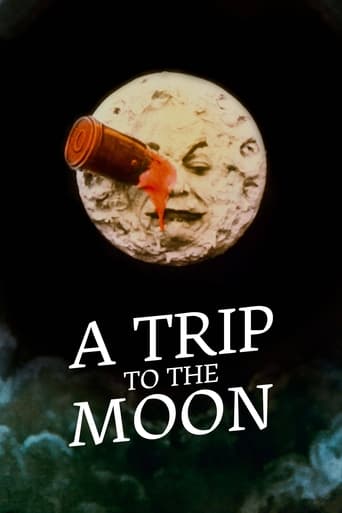
A Trip to the Moon
2

A Trip to the Moon

1902 · dir. Georges Méliès · 15 min

Georges Melies sends a rocket into the moon's eye and invents the special effect as a form of theatrical wonder. The stop-substitution cuts are the first cinematic sleight of hand.

A Trip to the Moon → Freaks

The Link

Where Melies used the camera to create wonder, Browning uses it to withhold and then expose the body, turning the audience's gaze into part of the con. The circus here is the ancestor of Nolan's theatre of deception.

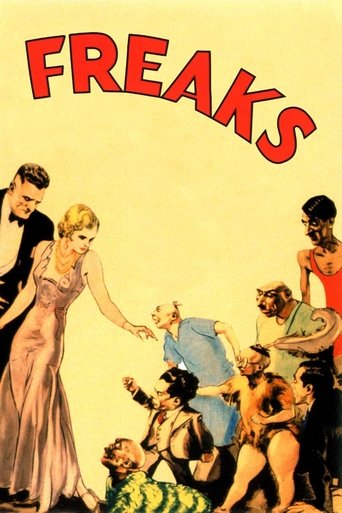
Freaks
3

Freaks

1932 · dir. Tod Browning · 64 min

Tod Browning's circus melodrama, in which the 'freaks' of the sideshow exact a terrible revenge on a trapeze artist who marries one of them for money. The final transformation is one of the most disturbing reveals in pre-Code Hollywood.

Freaks → Stage Fright

The Link

Browning's circus performers hide their true natures in plain sight; Hitchcock goes further and hides the truth in the film's own narration. The outrage that greeted the reveal shows how deeply the audience had believed the camera's word.

Stage Fright
4

Stage Fright

1950 · dir. Alfred Hitchcock · 110 min

Hitchcock's backstage thriller, in which a young drama student (Jane Wyman) helps a fugitive actor (Richard Todd) prove his innocence, only for the film to reveal that its opening flashback was a lie. The director's most direct assault on the audience's trust.

Stage Fright → Duelle (Une Quarantaine)

The Link

Hitchcock lied to us once and made us gasp; Rivette withholds the answer entirely and makes us live inside the uncertainty. Both films treat narrative as a magic trick, but Rivette's is the more radical proposition: the prestige may never come.

Duelle (Une Quarantaine)
5

Duelle (Une Quarantaine)

1976 · dir. Jacques Rivette · 121 min

Jacques Rivette's dreamlike fantasy, in which two goddesses (Juliet Berto and Bulle Ogier) walk the streets of Paris searching for a magical diamond, their conflict unfolding in a narrative that refuses to explain itself. A film about performance, ritual and the withheld solution.

Duelle (Une Quarantaine) → The Illusionist

The Link

Rivette's goddesses perform for themselves; Chomet's magician performs for an audience of one, and the trick is kindness. The film shifts the chain from deception as aggression to deception as tenderness, without losing the melancholy of a disappearing act.

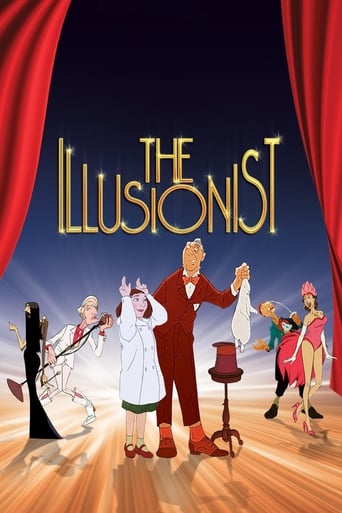
The Illusionist
6

The Illusionist

2010 · dir. Sylvain Chomet · 80 min

Sylvain Chomet's animated adaptation of an unproduced Jacques Tati screenplay, in which a fading stage magician takes a young woman under his wing in a changing Edinburgh. A film about performance as a form of love, and the quiet deception of keeping wonder alive.

The Illusionist → The Game

The Link

Chomet's magician deceives to protect; Fincher's game deceives to transform. The film takes the Prestige's question, how much of the trick should the audience be allowed to see, and turns it into a full-scale paranoid mechanism.

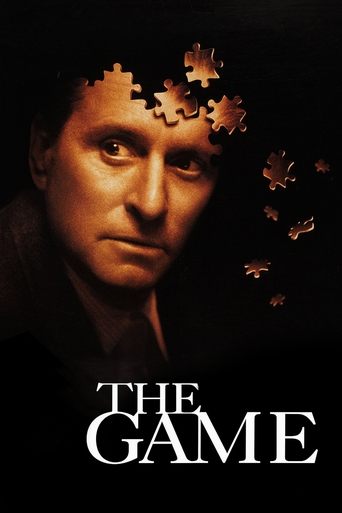
The Game
7

The Game

1997 · dir. David Fincher · 129 min

David Fincher's San Francisco puzzle, in which a wealthy banker (Michael Douglas) is drawn into a mysterious 'game' that may or may not be real. A film about the contract between audience and entertainer, staged as a thriller.

The Game → Nightmare Alley

The Link

Fincher's game is engineered by others; del Toro's con artist engineers his own destruction, and the film's final image is a reveal that the character has been withholding from himself all along. The chain ends where it began, with a performer and an audience, and the terrible bargain between them.

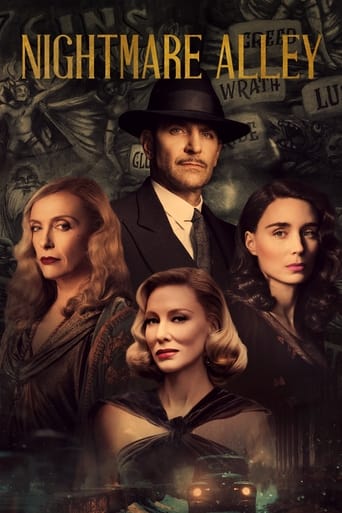
Nightmare Alley
8

Nightmare Alley

2021 · dir. Guillermo del Toro · 151 min

Guillermo del Toro's carnival noir, in which a drifter (Bradley Cooper) rises from carny to mentalist to fraudulent medium, learning that the best con is the one the mark performs on himself. A film about the price of the withheld reveal.

Where this chain leads

Genres

  • Science Fiction
  • Mystery
  • Drama
  • Comedy
  • Adventure
  • Horror
  • Thriller
  • Fantasy

Log in to leave a comment.

No comments yet.