In Bruges
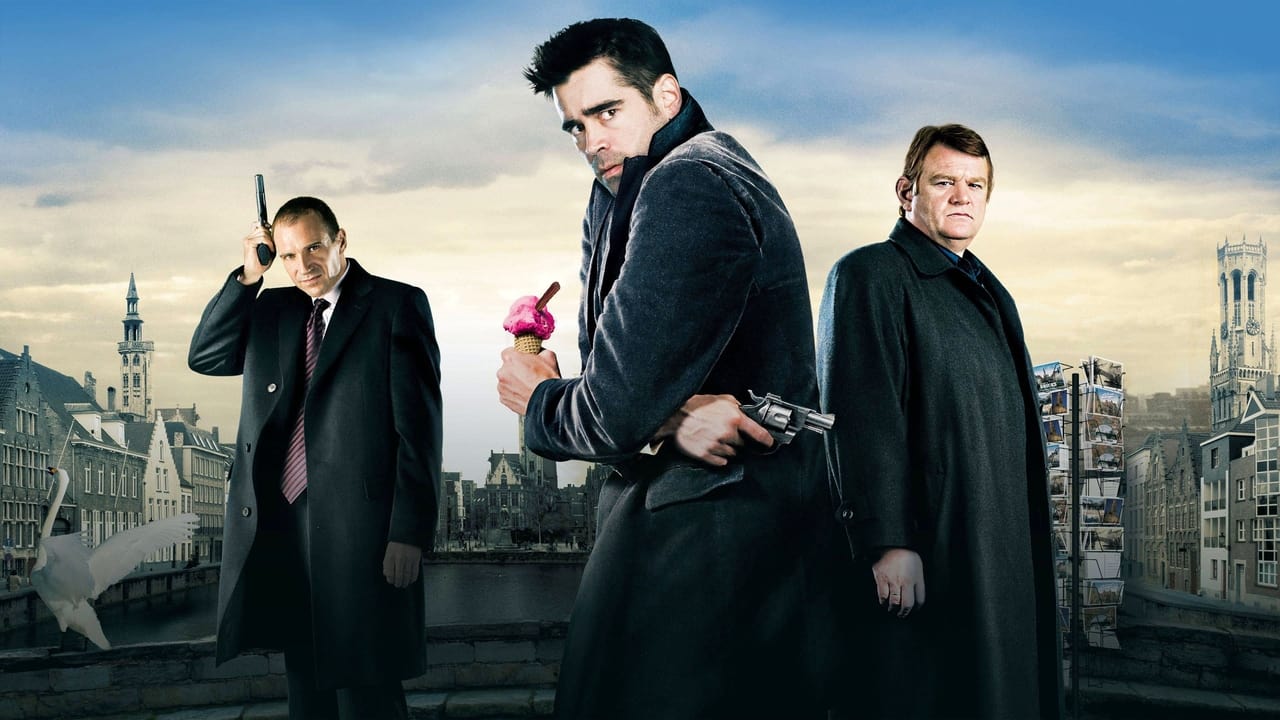
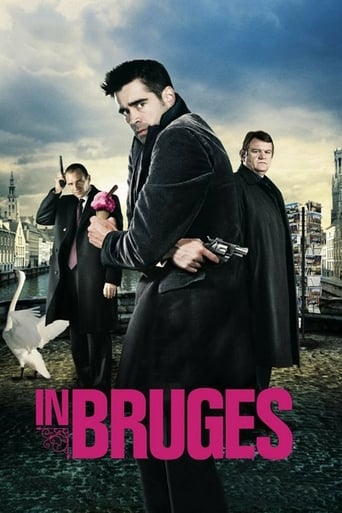
Martin McDonagh's debut feature follows two hitmen hiding out in the Belgian city of Bruges, where the medieval architecture becomes a backdrop for their existential crisis.
Chain
From the claustrophobic confines of a cabin to the sprawling sets of a Shakespearean epic, these eight films celebrate the art of theatre translated to cinema.
There is a particular thrill in watching a film that wears its theatricality on its sleeve. It is the pleasure of seeing actors stretch their muscles, of dialogue that crackles with wit and menace, and of stories that unfold in the unities of time and place, as if the camera were just another member of the audience. This chain is a celebration of that tradition, a journey through films directed by playwrights or steeped in the language of the stage.
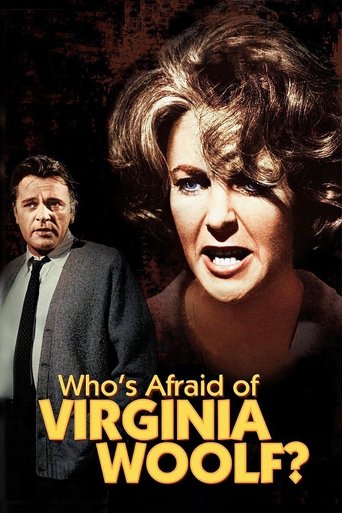
We begin with Martin McDonagh, a playwright who brings his razor-sharp ear for dialogue to the screen. In Bruges (2008) is a perfect starting point: two hitmen, a medieval Belgian city, and a script that balances hilarity with profound melancholy. McDonagh's theatre background is evident in the way he builds scenes around conversation, letting the setting become a character in its own right. From there, we move to the American master of theatrical cinema, Mike Nichols, whose Who's Afraid of Virginia Woolf? (1966) remains a landmark of screen adaptation, a brutal, four-letter-word-filled night of psychological warfare that never leaves the living room.
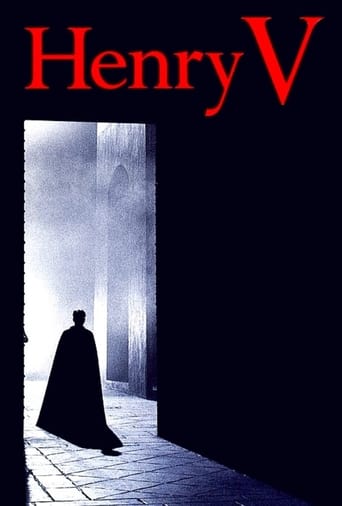
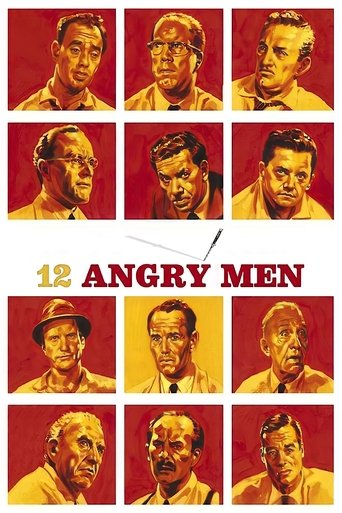
Then we cross the Atlantic to Kenneth Branagh, whose Henry V (1989) demonstrates how a Shakespearean play can be opened up for cinema without losing its theatrical soul. Branagh's direction brings the Chorus's words to life, yet the film's power lies in its intimate close-ups and the raw emotion of the performances. But theatrical influence is not confined to those who write or direct for the stage. It can be found in the work of actors who bring a stage actor's discipline to the screen, like Sidney Lumet's 12 Angry Men (1957), a film that takes a single room and a dozen men and turns it into a gripping thriller. The theatricality here is not in the setting but in the verbal duel, the escalating tension that relies entirely on performance and argument.
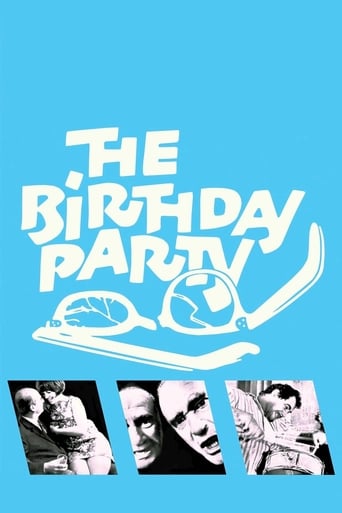
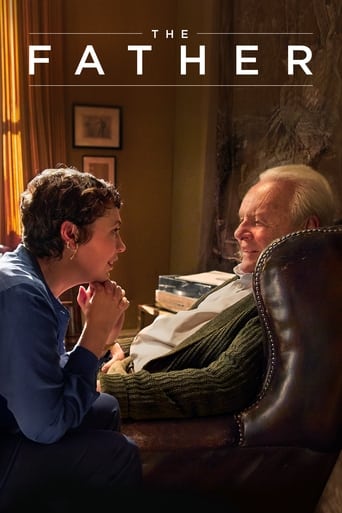
This chain also honours the playwrights who have made cinema their own, like David Mamet, whose Glengarry Glen Ross (1992) is a masterclass in profane, rhythmic dialogue, and Harold Pinter, whose The Birthday Party (1968) brings his trademark menace and pauses to the screen. We end with a more recent gem, The Father (2020), adapted from Florian Zeller's play, which uses theatrical structure to plunge us into the disorienting world of dementia. Each of these films, in its own way, argues that the stage and the screen are not opposites but partners, and that the best of both can create something truly extraordinary.
Martin McDonagh's debut feature follows two hitmen hiding out in the Belgian city of Bruges, where the medieval architecture becomes a backdrop for their existential crisis.
In Bruges → Who's Afraid of Virginia Woolf?
The Link
From McDonagh's darkly comic hitmen, we move to the American theatre's most explosive marriage. Both films are built on verbal sparring and the unities of time and place, but Nichols's film is a more savage, naturalistic take on the stage's power to confine and expose.
Mike Nichols's film adaptation of Edward Albee's play is a raw, four-letter-word-filled night of marital warfare, with Elizabeth Taylor and Richard Burton at their most ferocious.
Who's Afraid of Virginia Woolf? → Henry V
The Link
If Nichols showed how a modern play can be translated to screen, Branagh demonstrates how a classic can be reimagined. Both directors use close-ups and theatrical staging, but Branagh opens up the world, turning the Chorus's words into images while keeping the poetry front and centre.
Kenneth Branagh's directorial debut brings Shakespeare's chronicle play to life with muddy, visceral battle scenes and a stirring performance from Branagh himself as the young king.
Henry V → 12 Angry Men
The Link
From the epic scale of Agincourt to a single, sweltering room, Lumet's film is a masterclass in theatrical tension. Like Branagh, he uses the camera to intensify the drama, but here the focus is purely on the power of argument and the gradual revelation of character.
Sidney Lumet's directorial debut is a pressure-cooker drama set entirely in a jury room, where Henry Fonda's lone dissenter slowly sways the others in a murder trial.
12 Angry Men → Glengarry Glen Ross
The Link
Mamet's dialogue is a weapon, and this film is a direct descendant of the verbal duels in '12 Angry Men'. Both are about men in a confined space, fighting for survival, but Mamet's world is one of corrosive capitalism, where every word is a lie or a threat.
David Mamet's Pulitzer Prize-winning play about desperate real estate salesmen is brought to the screen with a ferocious cast including Al Pacino, Jack Lemmon, and Alec Baldwin.
Glengarry Glen Ross → The Birthday Party
The Link
Pinter takes the theatricality of Mamet and pushes it into the absurd. The pauses, the menace, the unexplained: this is a world where language is a shield and a trap, and the unities of time and place become a nightmare from which there is no escape.
Harold Pinter's own adaptation of his play, a sinister comedy about a lodger whose past catches up with him, starring Robert Shaw and Patrick Magee.
The Birthday Party → The Father
The Link
Zeller uses the theatrical structure of his play to disorient the audience, just as Pinter used it to unsettle. But where Pinter leaves us in ambiguity, Zeller grounds us in the heartbreaking reality of cognitive decline, showing how the stage's unities can be used to mirror the fragmentation of the mind.
Florian Zeller adapts his own play about an elderly man slipping into dementia, with Anthony Hopkins giving a devastating, Oscar-winning performance.
Related Chains
Explore
Log in to leave a comment.
No comments yet.