1
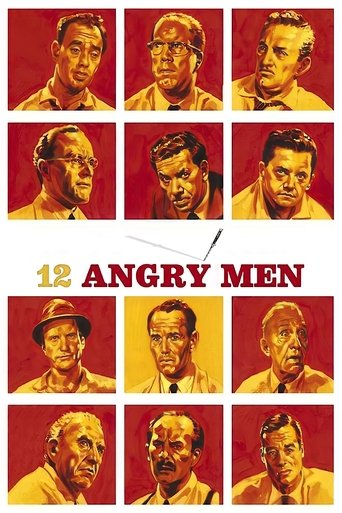
12 Angry Men
A jury of twelve men must decide the fate of a young defendant, and one dissenting voice forces them to confront their own prejudices.
Chain
From courtroom to battlefield, from boardroom to the Oval Office, these eight performances explore the many masks of power and the human cost of wearing them.
Authority is a strange currency. It can be earned, inherited, stolen, or simply assumed, and the actors who play it best know that it is never just about the badge or the title. It is about the quiet moments between orders, the flicker of doubt behind the stern gaze, the weight of a decision that will outlive the moment. This chain is a study in that weight, a journey through eight films that treat leadership not as a costume but as a condition, a burden that shapes every gesture and every silence.
We begin with a courtroom, where the law is a fragile shield and one man's integrity is the only thing standing between justice and chaos. From there, we move to the corridors of power in Washington, where a president's resolve is tested by a crisis that has no easy answers. Then we descend into the chaos of war, where a captain's loyalty to his men is pitted against the machinery of military justice. Each step pulls us deeper into the paradoxes of command: the need for strength and the courage to show doubt, the distance required to lead and the intimacy that makes it meaningful.
The chain is anchored by a pair of anniversaries. Sidney Lumet's 12 Angry Men turns seventy this year, a film that remains the definitive study of how a single voice can shift the course of a verdict. And The Contender, released twenty-five years ago, offers a modern counterpoint: a female president facing a confirmation hearing that becomes a battle over her very right to lead. Between these bookends, we visit the haunted leadership of a submarine captain, the moral authority of a teacher in a crumbling school, the quiet power of a nun in a world that has forgotten her, and the ferocious charisma of a man who builds an empire from nothing.
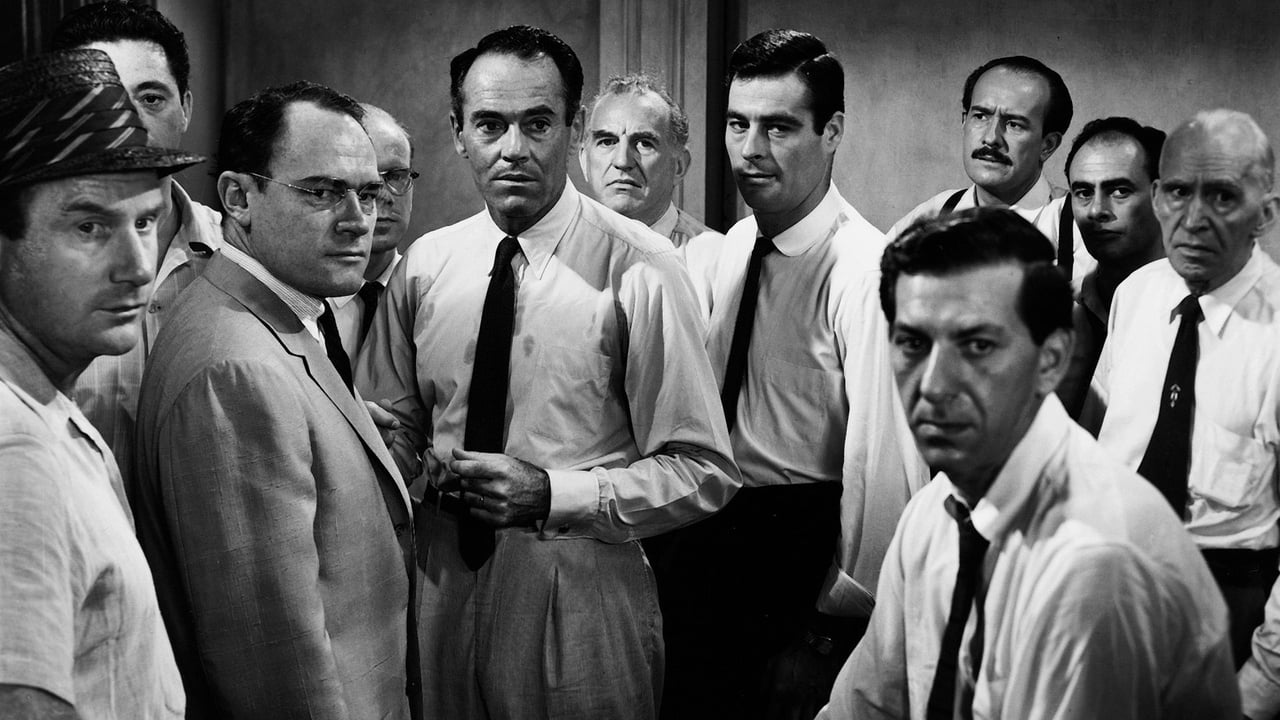
What unites these films is not the scale of their settings but the intimacy of their performances. Whether it is Henry Fonda's juror slowly turning the tide, or Joan Allen's senator refusing to be diminished, each actor finds the human being inside the authority figure. They remind us that leadership is not a mask we put on but a skin we grow into, and that the best of them are the ones who feel the weight most keenly. This is a chain for anyone who has ever wondered what it truly means to be in charge, and what it costs to stay there.
A jury of twelve men must decide the fate of a young defendant, and one dissenting voice forces them to confront their own prejudices.
12 Angry Men → The Contender
The Link
From the jury room to the Senate chamber, we move from a lone voice of reason to a woman whose authority is under siege. Joan Allen's senator, like Henry Fonda's juror, must hold her ground against a tide of hostility, but here the stakes are national and the attack is personal.

A senator nominated for the vice presidency faces a brutal confirmation hearing that threatens to destroy her career and her family.
The Contender → The Caine Mutiny
The Link
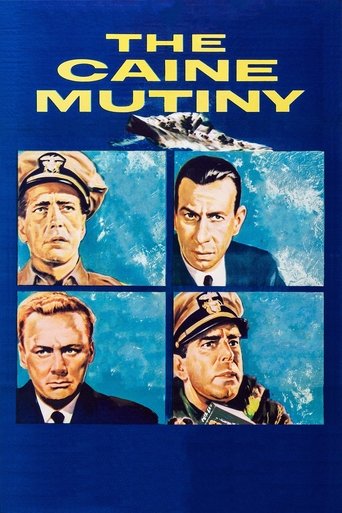
A naval officer is court-martialed for mutiny after taking command from a paranoid captain, and the trial exposes the fragile nature of authority at sea.
The Caine Mutiny → Crimson Tide
The Link
The submarine becomes a pressure cooker for two competing visions of leadership. Gene Hackman's Captain Ramsey is the old guard, instinct and iron will; Denzel Washington's Commander Hunter is the new school, deliberation and protocol. Their conflict is a philosophical duel about the nature of command itself, echoing the paranoia of Queeg but with a clearer conscience.
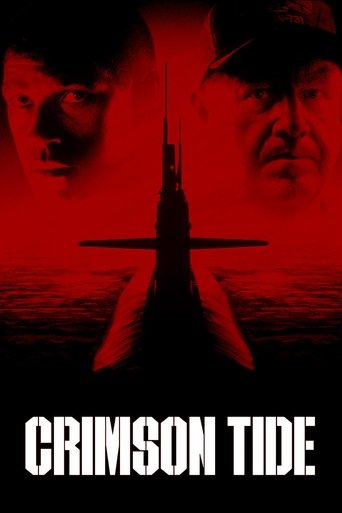
On a nuclear submarine, a captain and his executive officer clash over a launch order, forcing a mutiny that could trigger World War III.
Crimson Tide → The Insider
The Link
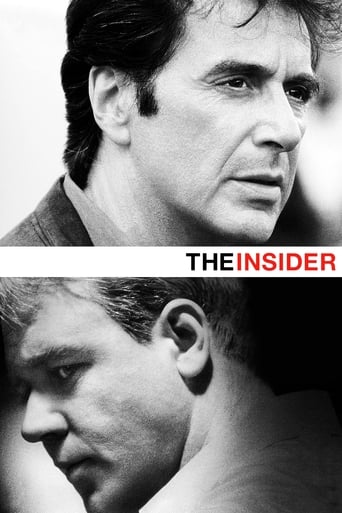
A whistleblower in the tobacco industry and a television producer risk everything to expose the truth, battling corporate and legal forces.
The Insider → The Verdict
The Link
Paul Newman's Frank Galvin is the opposite of Lowell Bergman: a man who has lost all authority, including over his own life. But in the courtroom, he finds a last chance to reclaim it. This is leadership as redemption, a quiet, desperate kind of authority that emerges from failure, not from power.
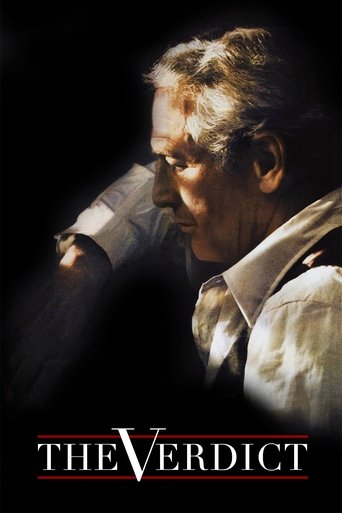
An alcoholic, down-on-his-luck lawyer takes on a medical malpractice case that could redeem his career and his soul.
The Verdict → The Queen
The Link
From the courtroom to the throne, we see authority as inherited burden. Helen Mirren's Queen Elizabeth is a woman whose entire identity is bound up in a role she never chose, and her struggle to adapt to a changing world is a masterclass in the isolation of leadership. Where Frank Galvin fights to regain authority, the Queen fights to redefine it.
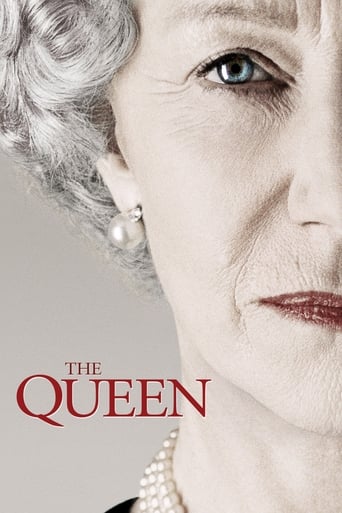
In the aftermath of Princess Diana's death, Queen Elizabeth II must navigate public grief and political pressure to preserve the monarchy.
The Queen → The Last King of Scotland
The Link
The chain ends with the darkest face of authority. Forest Whitaker's Idi Amin is a force of nature, charismatic and monstrous, a leader who consumes everything around him. After the quiet dignity of the Queen, this is a reminder that authority can also corrupt absolutely, and that the line between leadership and tyranny is often terrifyingly thin.
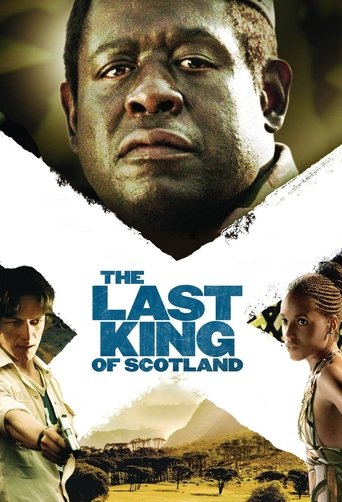
A young Scottish doctor becomes the personal physician to Ugandan dictator Idi Amin, witnessing the seductive and terrifying nature of absolute power.
Related Chains
Explore
Log in to leave a comment.
No comments yet.