1
American Beauty
Lester Burnham's midlife crisis unravels his family's picture-perfect life in a scathing satire of suburban conformity.

Chain
From the manicured lawns of 1999 to the glowing screens of today, this chain traces how cinema has dissected the suburban dream, revealing the isolation, conformity, and quiet desperation beneath.
The suburbs have always been a fertile ground for cinematic unease, a landscape where the promise of safety curdles into a prison of expectation. This chain begins at the turn of the millennium, when American cinema turned a sharply critical eye on the picket-fence ideal, and follows that thread into the present, where the threats are no longer just nosy neighbours and manicured lawns, but the glow of screens and the precarity of gig economies. Each film here speaks to its generation, capturing a distinct moment of disillusionment with the suburban promise.
We start with Sam Mendes's American Beauty (1999), a film that became a cultural touchstone for its withering portrait of middle-class malaise. Its famous plastic bag scene, set to Thomas Newman's minimalist score, encapsulates the search for meaning in a world of surface perfection. From there, we move to Little Children (2006), Todd Field's adaptation of Tom Perrotta's novel, which digs into the same terrain with a more clinical, literary eye, focusing on the adult playground of infidelity and parental competition. The chain then takes a stylistic leap with Dogtooth (2009), Yorgos Lanthimos's absurdist Greek fable, which pushes suburban isolation to a terrifying extreme, showing a family so insular that language itself is corrupted.
As we cross into the 2010s, the critique evolves. Prisoners (2013) transplants the suburban nightmare into a thriller, where the failure of community trust becomes a matter of life and death. Lady Bird (2017) offers a more intimate, coming-of-age perspective, where the suburb is not a gilded cage but a backdrop for adolescent yearning and economic anxiety. Then comes The Florida Project (2017), which shatters the very notion of suburbia, placing its characters in a budget motel on the fringes of Disney World, a neon-lit purgatory that mocks the American Dream. Parasite (2019) globalises the critique, using the stark contrast between a wealthy family's modernist home and a poor family's semi-basement to expose class warfare in the most visceral terms. Finally, After Yang (2021) looks to the near future, where a family's attempt to preserve connection through a robotic child reveals the emotional void at the heart of technological comfort.
What unites these films is not just their setting, but their insistence on looking beneath the surface. They are linked by a shared vocabulary of suburban signifiers: the detached house, the car, the lawn, the family dinner. Yet each generation reinterprets these symbols for its own anxieties. The chain rewards the viewer who watches sequentially, tracing how the critique sharpens, darkens, and ultimately expands beyond the American border. It is a journey from the existential emptiness of the late 20th century to the digital and economic fractures of the 21st, and it reveals that the suburban promise was always a fragile construct, ready to crumble at the slightest pressure.
Lester Burnham's midlife crisis unravels his family's picture-perfect life in a scathing satire of suburban conformity.
American Beauty → Little Children
The Link
Following American Beauty's dissection of middle-class ennui, Little Children narrows the focus to the parental playground, where the same dissatisfaction simmers beneath school runs and book clubs, with a more clinical, novelistic precision.

A bored housewife and a stay-at-home dad begin an affair while a convicted paedophile moves back to their neighbourhood, exposing the hypocrisy of their community.
Little Children → Dogtooth
The Link
If American Beauty and Little Children show the suburbs as a gilded cage, Dogtooth removes the gilding entirely: Lanthimos's absurdist allegory takes the family unit's isolation to a terrifying extreme, where language and reality are manufactured by a patriarch's whims.
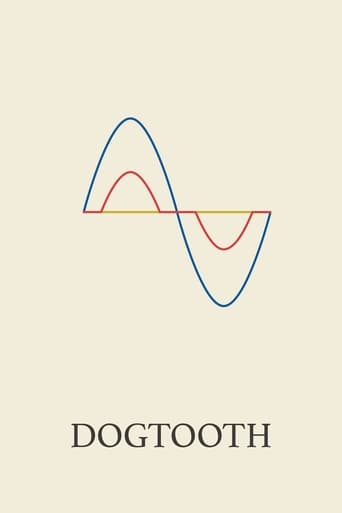
A controlling father keeps his three adult children imprisoned in their isolated estate, where they have no concept of the outside world.
Dogtooth → Prisoners
The Link
From the abstract nightmare of Dogtooth, Prisoners brings the suburban critique back to gritty realism, showing how the failure of trust and the pressure of the American Dream can turn a neighbourhood into a crucible of vengeance.
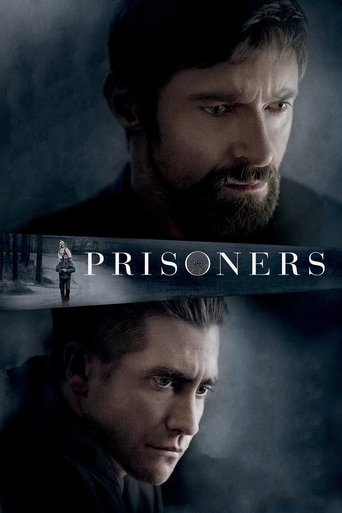
When two girls vanish on Thanksgiving, a desperate father takes the law into his own hands, testing the limits of morality in a tight-knit suburban community.
Prisoners → Lady Bird
The Link
Where Prisoners sees the suburb as a battleground, Lady Bird views it as a launching pad: Greta Gerwig's coming-of-age film captures the specific ache of wanting to escape a place that is both suffocating and formative, a generational shift from parental despair to adolescent longing.

A Catholic school senior in Sacramento yearns for a more cultured life, clashing with her mother and the limitations of her upbringing.
Lady Bird → The Florida Project
The Link
From Lady Bird's middle-class Sacramento, The Florida Project descends to the fringes of the dream: Sean Baker's film shows a version of suburbia that never quite materialises, where the promise of magic is replaced by the grind of poverty, seen through the unvarnished eyes of childhood.
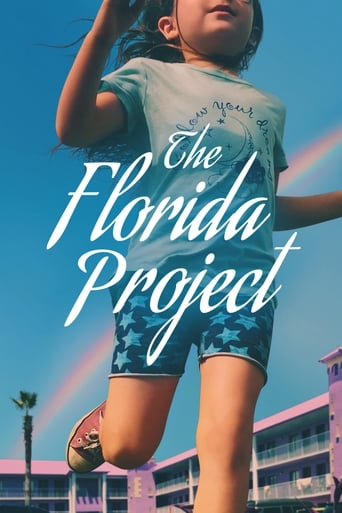
A six-year-old girl and her friends spend a summer causing mischief in the shadow of Disney World, while her struggling mother tries to keep a roof over their heads.
The Florida Project → Parasite
The Link
The Florida Project's motel is a world away from the Park family's architect-designed home, yet both are products of the same economic inequality: Bong Joon-ho's masterpiece globalises the suburban critique, turning the house itself into a battleground where the dream is a zero-sum game.
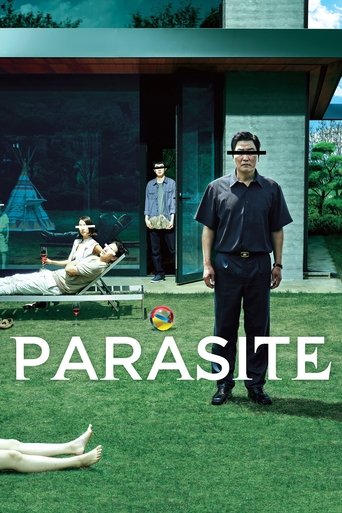
A poor family schemes to infiltrate a wealthy household, leading to a violent confrontation that exposes the class divide in modern Seoul.
Parasite → After Yang
The Link
Parasite's class warfare is fought with physical walls, but After Yang's isolation is digital: Kogonada's gentle sci-fi asks what happens when the suburban home becomes a node in a network, where even love is mediated by technology, and the failure of the dream is measured in emotional distance.

In a near-future world, a father tries to repair his family's robotic child, uncovering memories that challenge his understanding of connection and loss.
Related Chains
Explore
Log in to leave a comment.
No comments yet.