Cinema is often celebrated for its images, but the greatest films understand that sound is the invisible architecture of emotion. It can build worlds, shatter nerves, and speak in the spaces between dialogue. This chain begins with a film that turned eavesdropping into an art form and ends with a symphony of silence and noise. Along the way, we'll cross genres and decades, from paranoid thrillers to dystopian noir, from the quiet hum of a spaceship to the cacophony of war.
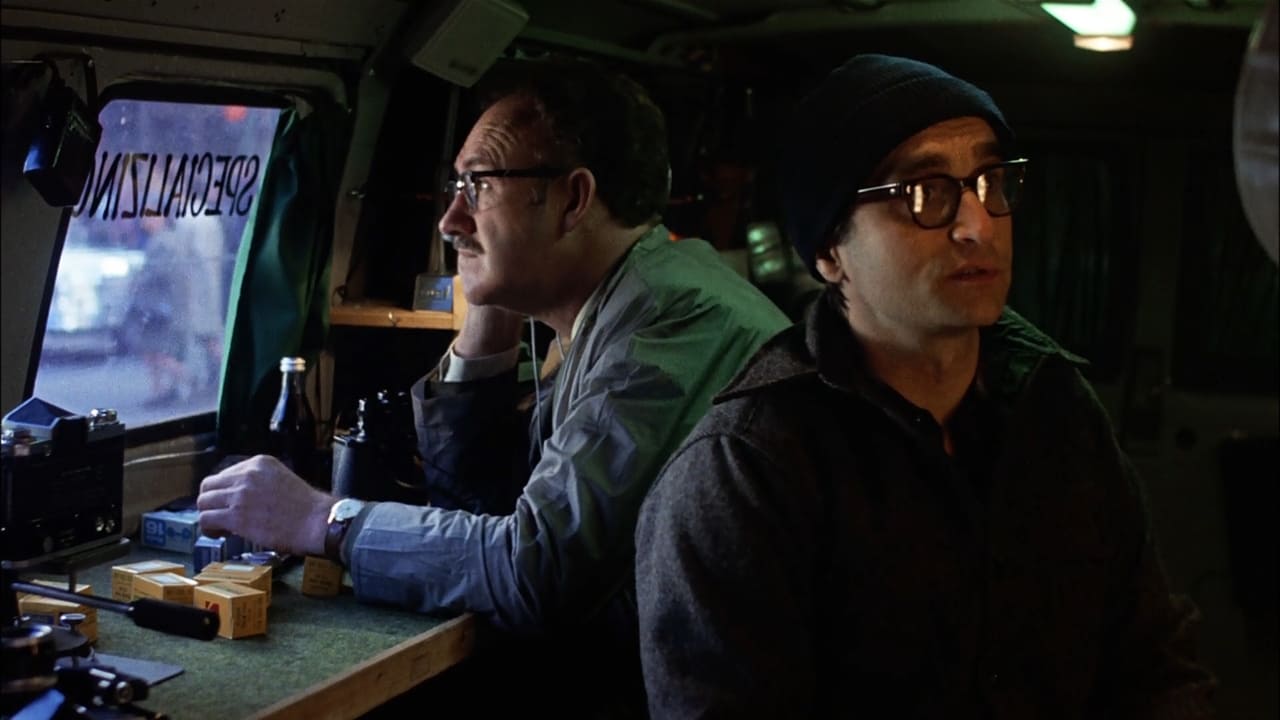
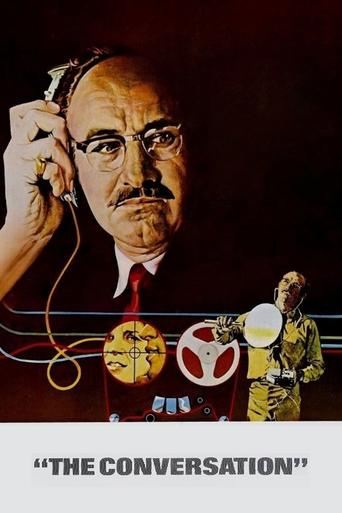
The journey starts with The Conversation, a film that treats sound as both a tool and a weapon. Gene Hackman's surveillance expert lives in a world of tape hiss and muffled voices, and director Francis Ford Coppola uses every audio cue to build a labyrinth of paranoia. It's a masterclass in how the smallest sonic detail can unravel a character. From there, we move to a film that took the lessons of The Conversation and blew them up to a cosmic scale: Blade Runner. Ridley Scott's Los Angeles is a rain-soaked, neon-drenched city where every drop and every synth note contributes to a sense of overwhelming atmosphere. The Vangelis score is iconic, but it's the ambient soundscape that truly immerses you.
Sound doesn't always have to be loud to be powerful. Eraserhead is a nightmare of industrial drones and unsettling whispers, a film that proves sound can be a character in itself. David Lynch's debut creates a world that feels physically wrong, and the audio is a huge part of that. Then we shift to a different kind of horror: the silence of space. Alien uses the hum of the Nostromo and the hiss of the alien to create a sense of dread that never lets up. The sound design here is all about tension, about the things you can't see but can hear approaching.
But sound can also be a tool for radical empathy, as Sound of Metal demonstrates. Riz Ahmed's drummer loses his hearing, and the film's audio design makes you feel every crackle and distortion. It's a visceral experience that challenges our assumptions about what we hear and how we connect. From there, we leap to the past with Dunkirk, where Christopher Nolan and his team constructed a soundscape that is both historically grounded and emotionally overwhelming. The ticking of a watch, the drone of a dive bomber, the roar of the sea: every element is designed to put you on that beach.
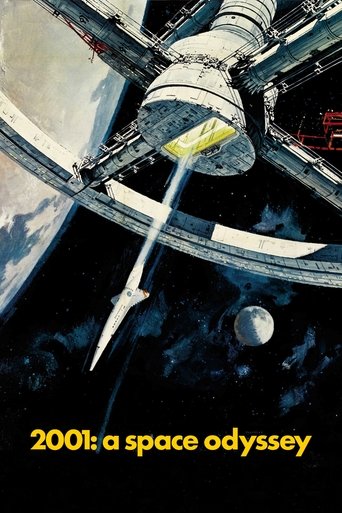
Finally, we return to the cosmos with 2001: A Space Odyssey, a film that uses silence and classical music to create a sense of awe and wonder. The sound of breathing inside a spacesuit, the eerie quiet of the void, and the triumphant strains of Strauss: it's a reminder that sound can elevate cinema to the level of philosophy. These eight films are not just movies; they are experiences. Watch them with good speakers or headphones, and you'll never listen the same way again.