The Red Balloon
A Parisian boy befriends a sentient red balloon, and together they navigate a city that is both magical and cruel. Lamorisse's short film is a masterclass in visual storytelling, with no dialogue and a heart as big as the sky.
Chain
From a Parisian boy's red companion to the heights of adventure, a chain of films where floating things carry our dreams and fears.
In 1956, Albert Lamorisse released a thirty-four-minute marvel that has never quite floated away from the collective memory. The Red Balloon follows a Parisian boy who adopts a sentient scarlet balloon, and together they drift through a city that seems both enchanted and indifferent. The film's genius lies in its restraint: no dialogue, no explanation, just the tug of a string and the weight of a child's devotion. It remains the purest expression of cinema's ability to make the ordinary miraculous, and it set a template for every film that has since dared to treat a floating object as a vessel for feeling.
This chain gathers eight films that share that airborne DNA, each one a variation on what a balloon can mean. Some are literal, like the red balloon's descendants in Jafar Panahi's The White Balloon, where a child's quest for a goldfish becomes a quiet epic of Tehran's streets. Others are more audacious, like Up, which turns a house into a balloon-borne ark of memory, or The Aeronauts, which sends a Victorian scientist and a pilot into the storm-torn sky. But the chain also reaches for lesser-known treasures: a Japanese animation about a paper crane that refuses to stay grounded, a French fable about a boy who trades his voice for flight, and a Soviet-era parable where a balloon becomes a symbol of forbidden freedom.
What binds these films is not just the object itself, but what it carries: hope, grief, escape, and the stubborn refusal to stay put. A balloon is a promise that the ground is not the only home we have. In The Red Balloon, the balloon is a friend; in Up, it is a lifeline; in The Aeronauts, it is a challenge to the heavens. Each film inflates the metaphor a little further, until the chain itself becomes a slow ascent into the reasons we look up.
Watch them in order and you will see a single idea bloom across cultures and decades, from a boy's hand to a house's chimney. The red balloon still floats, and it is still leading us somewhere.
A Parisian boy befriends a sentient red balloon, and together they navigate a city that is both magical and cruel. Lamorisse's short film is a masterclass in visual storytelling, with no dialogue and a heart as big as the sky.
The Red Balloon → The White Balloon
The Link
Panahi's film shares the same simple premise as Lamorisse's: a child and a balloon-like object in a city that tests their resolve. Where the red balloon is a companion, the white balloon is a goal, shifting the focus from friendship to perseverance.
On the eve of the Persian New Year, a young girl loses her money for a goldfish and spends the day chasing it through Tehran's bustling streets. Panahi's debut is a tender, real-time portrait of childhood determination.
The White Balloon → The Aeronauts
The Link
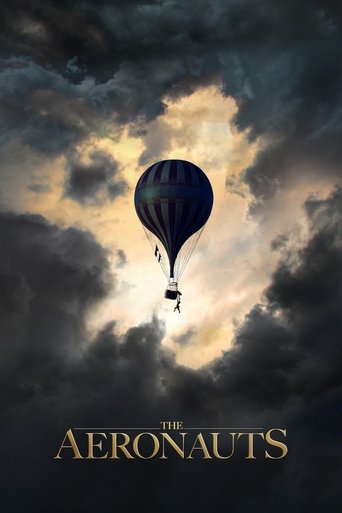
From the intimate streets of Tehran, the chain rises to the clouds. The Aeronauts expands the balloon from a symbol of childhood wonder to a vessel of scientific ambition, yet it retains the same awe at the act of floating.
In 1862, a scientist and a pilot ascend in a hot-air balloon to break altitude records, facing storms and freezing cold. The film is a breathtaking adventure that celebrates human curiosity and the perilous beauty of the sky.
The Aeronauts → Up
The Link
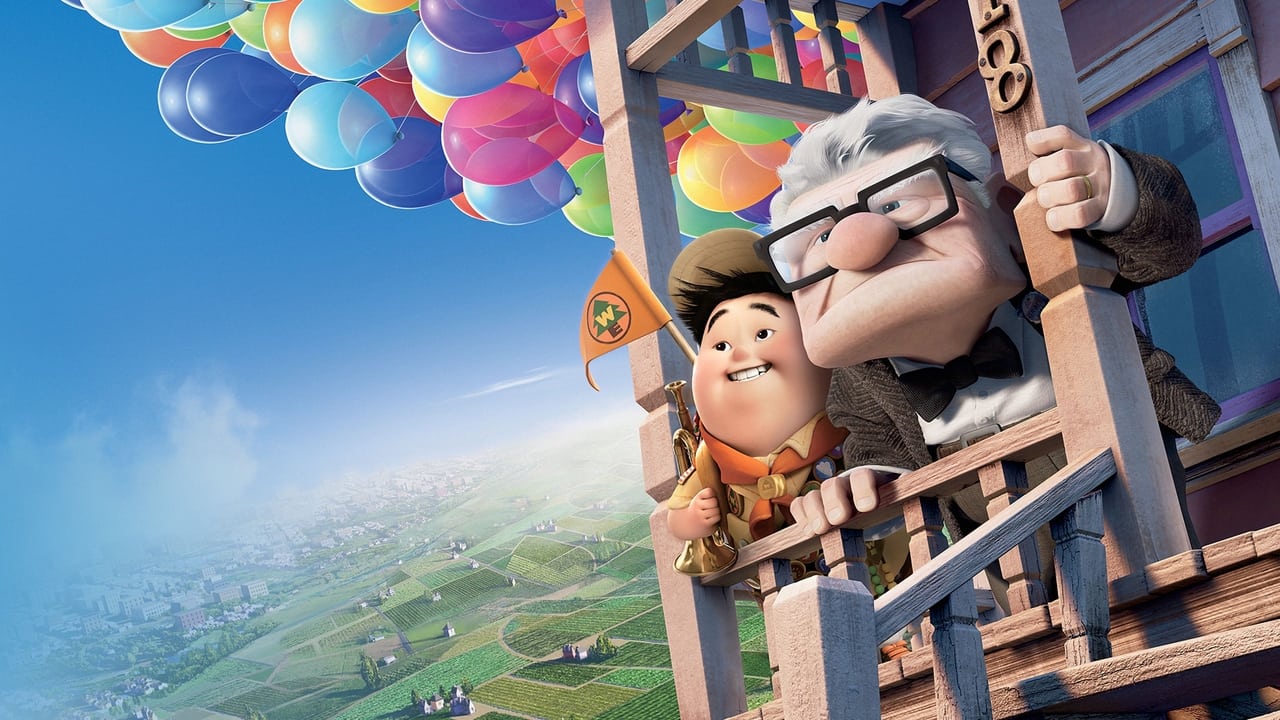
After The Aeronauts' Victorian daring, Up grounds the balloon in personal loss. Carl's house becomes a floating monument to his wife, showing that the same object can carry both a scientific quest and a private heartache.
An elderly widower ties thousands of balloons to his house and flies to South America, accompanied by a young stowaway. Pixar's adventure is a poignant meditation on grief, adventure, and letting go.
Up → The Red Turtle
The Link
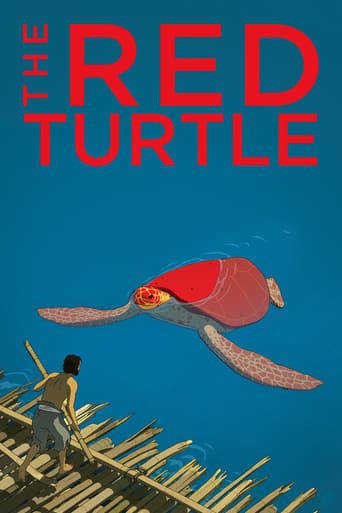
Up's balloons lift a house; The Red Turtle's island is a different kind of floating world. Both films use a red motif and a sense of isolation to explore how connection, whether to a person or a creature, gives life meaning.
A man shipwrecked on a desert island encounters a mysterious red turtle that changes his fate. Studio Ghibli's co-production is a wordless fable about nature, love, and the cycles of life.
The Red Turtle → The Balloon
The Link
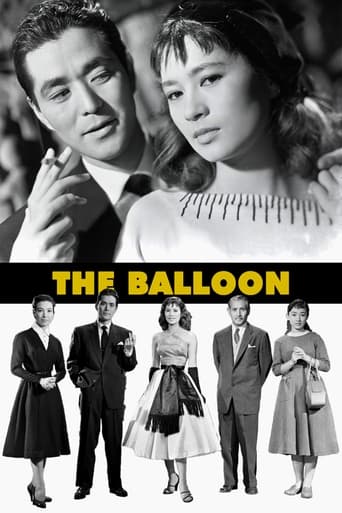
The Red Turtle's mythic island gives way to a harrowing true escape. The Balloon turns the object of childhood fantasy into a tool of political defiance, echoing The Aeronauts' spirit of risk but with far higher stakes.
In 1979 East Germany, two families build a hot-air balloon to escape to the West. Based on a true story, this tense thriller captures the desperation and ingenuity of those who dared to float to freedom.
The Balloon → The Illusionist
The Link
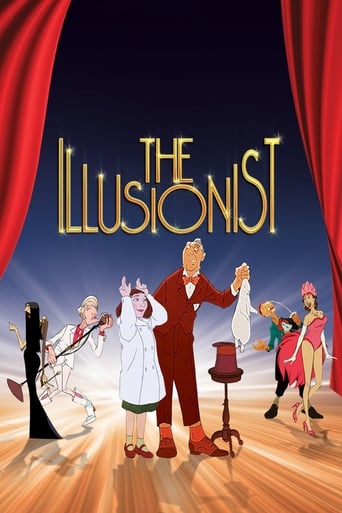
After The Balloon's real-world urgency, The Illusionist returns to the whimsical, but with a melancholic edge. The magician's illusions, like balloons, are fragile things that can lift spirits but cannot last forever.
A fading magician travels to a remote Scottish island and befriends a young girl who believes his tricks are real. Sylvain Chomet's animation is a bittersweet tribute to a bygone era of performance.
The Illusionist → The Wind Rises
The Link
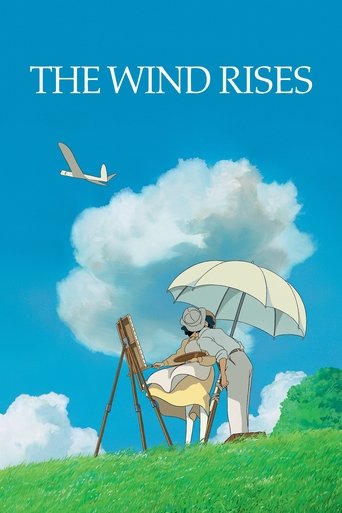
The Illusionist's gentle magic gives way to Miyazaki's soaring yet tragic tale. Here, the floating object is not a balloon but an aeroplane, and the dream of flight is entangled with the horrors of war, completing the chain's arc from innocent wonder to complex consequence.
A fictionalised biography of Jiro Horikoshi, the designer of the Zero fighter plane, set against the backdrop of pre-war Japan. Miyazaki's final film is a meditation on creation, love, and the costs of ambition.
Related Chains
Explore
Log in to leave a comment.
No comments yet.