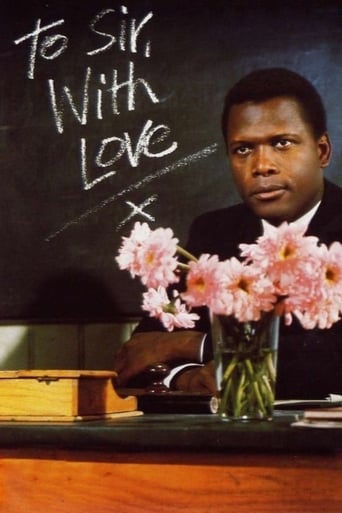
Teaching is rarely about the curriculum. The best screen teachers understand that their real subject is the human being in front of them, and the classroom becomes a stage for larger battles: against prejudice, against cynicism, against the silence of the world. This chain begins with the 1967 British classic 'To Sir, with Love', where Sidney Poitier's Mark Thackeray walks into a tough East End school and refuses to accept the labels society has slapped on his students. His quiet dignity and unshakeable belief in their potential still resonates, because the film understands that respect is not demanded but earned, one honest exchange at a time.
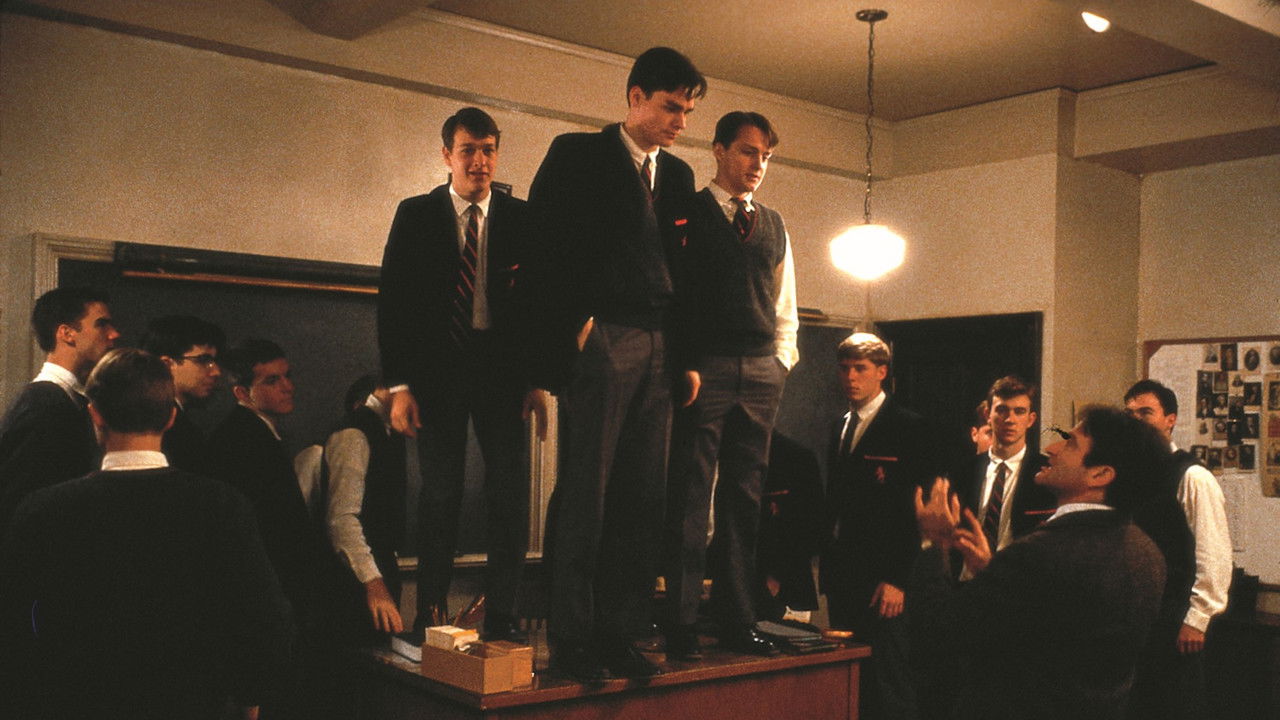
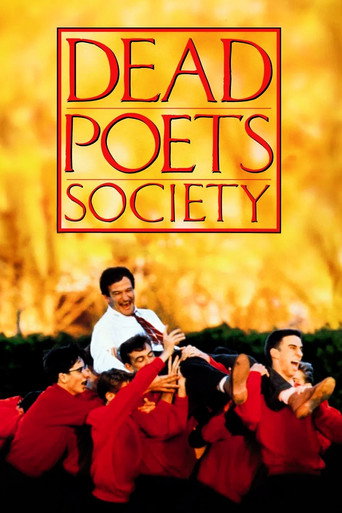
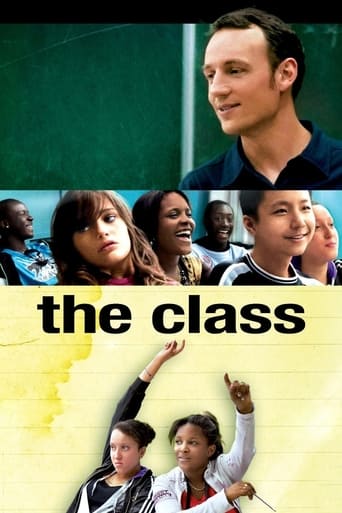
From Poitier's London, we follow the thread of the unconventional educator across decades and continents. The journey takes us through the poetry-stoked halls of Welton Academy in 'Dead Poets Society', where Robin Williams's John Keating urges his boys to seize the day, and then into the claustrophobic, brutally honest classroom of Laurent Cantet's 'The Class', where a Parisian teacher's best intentions collide with the unyielding realities of his students' lives. These films share a conviction: that the most profound lessons are often learned in the spaces between official lessons, in the moments of friction and unexpected grace.
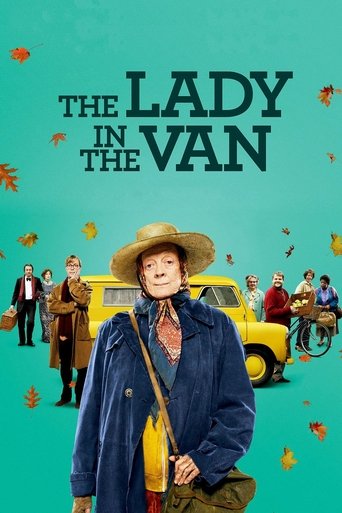
But the chain also stretches the definition of teacher and student. In 'Black', a deaf-blind girl finds her world pried open by a fierce, unconventional tutor, and in 'The Lady in the Van', a writer's relationship with a homeless woman becomes an unlikely education in empathy and the stories we tell ourselves. Each film in this sequence, from the familiar to the less-travelled, asks what it truly means to guide another person, and what we, in turn, receive from those we set out to teach. It is a journey that rewards the patient viewer with a deeper understanding of the quiet heroism that happens every day in classrooms, kitchens, and parked vans.