Other Mommy
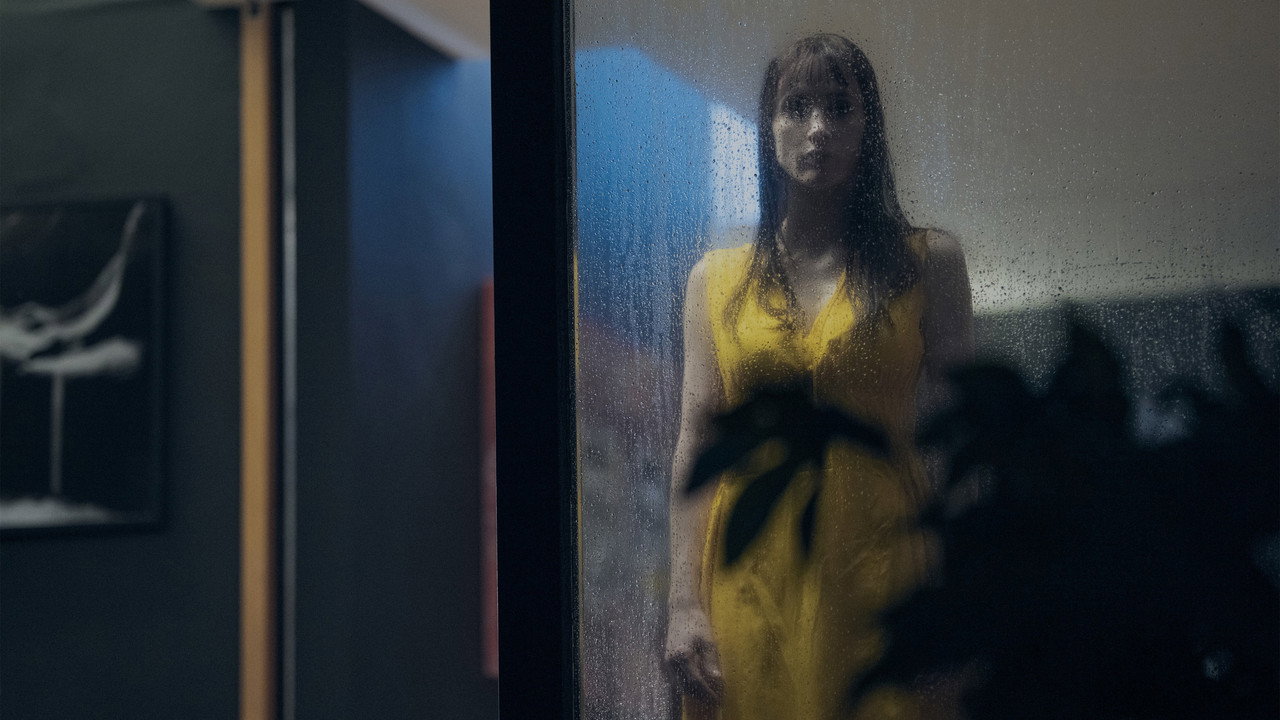
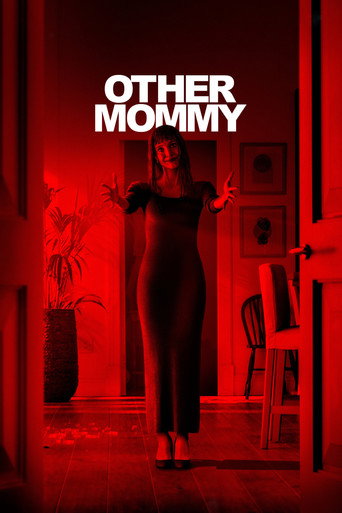
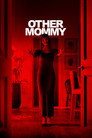
A young girl named Bela forms a bond with an entity in her home that resembles her mother with an unsettling precision, pulling her into a dark and increasingly intimate world.
Chain
A chain of films where the woman who gave you life returns as something else: a ghost, a double, a hunger with her face. Other Mommy opens the door, and the best part of a century of cinema walks through it.
Other Mommy (2026) begins with a simple, unbearable premise: a child named Bela befriends something in the house that wears her mother's face but is not her mother. The film's horror is not the intruder at the window but the familiar body at the kitchen table, subtly misaligned. Motherhood, in this telling, is a role that can be occupied, imitated, and hollowed out, and the child is the only one who notices the seams. That idea has a long, strange lineage in cinema, and this chain traces it from the Victorian parlour to the present day.
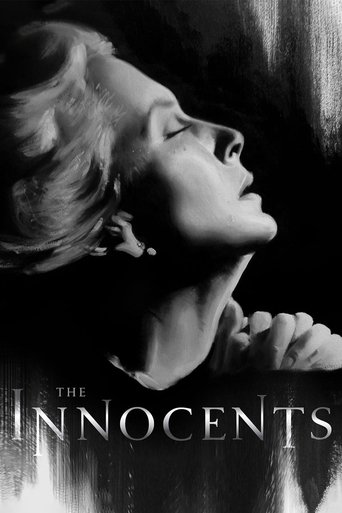
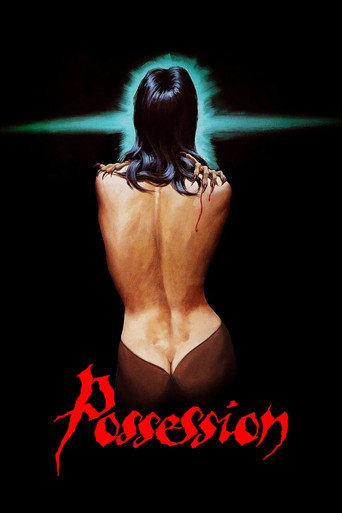
The earliest films here treat the mother as a threshold between worlds. In Jack Clayton's The Innocents (1961), a governess's certainty about the children in her care curdles into something far more disturbing: the possibility that her own desire for a maternal role is the haunting. Clayton's black-and-white Scope photography, lit by Freddie Francis, makes every face a potential mask. The chain then moves through European art cinema, where the mother-double becomes explicitly bodily. Andrzej Zulawski's Possession (1981) turns the maternal bond into a creature feature of marital collapse, with Isabelle Adjani's performance as a mother and wife coming apart in a Berlin flat that seems to breed doubles in the corner.
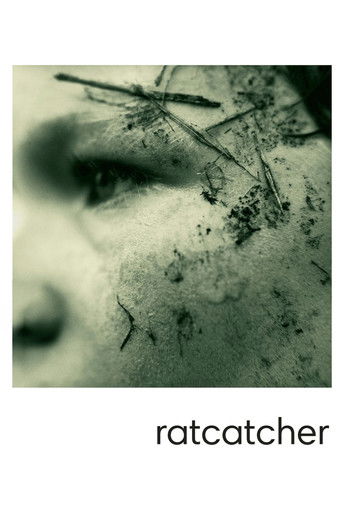
What connects these films is not gore but a specific anxiety: that the mother is both the source of life and the most intimate stranger. The chain includes lesser-known work alongside the landmarks. Lynne Ramsay's Ratcatcher (1999) is not a horror film in any conventional sense, yet its portrait of a boy in Glasgow whose mother is absent, exhausted, or drinking is haunted by the same question: what happens when the maternal presence is there but not there? And in Lucile Hadzihalilovic's Evolution (2015), the mother figure is replaced by a whole institution of women performing care on boys, a clinical nightmare of nurture as experiment.
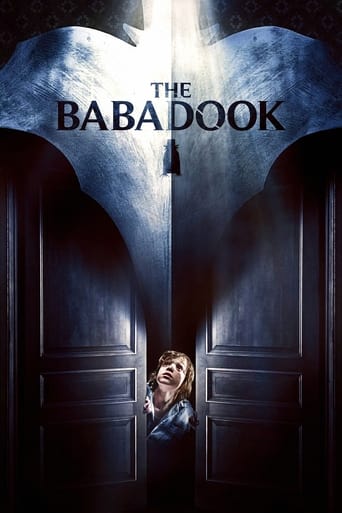
The sequence ends with Jennifer Kent's The Babadook (2014), which remains the most precise modern statement of the theme: a mother, a monster, and a pop-up book that knows too much. Essie Davis's performance is a study in exhaustion and rage, and the film's refusal to separate the supernatural from the postnatal is what makes it endure. Seen after Other Mommy, it feels less like a climax than a confirmation: the sinister double of the parent is not a new invention but a recurring figure in cinema's unconscious, and each generation finds a new face for it.
A young girl named Bela forms a bond with an entity in her home that resembles her mother with an unsettling precision, pulling her into a dark and increasingly intimate world.
Other Mommy → The Innocents
The Link
Other Mommy's child sees a false mother; Clayton's film reverses the angle, making the adult's certainty the source of horror. Both films locate terror in the gap between what a caretaker feels and what a child knows.
Jack Clayton's adaptation of The Turn of the Screw, in which a governess (Deborah Kerr) becomes convinced that the children in her care are possessed by the dead, and that her own love for them may be the danger.
The Innocents → The Other
The Link
Where The Innocents keeps its doubles ghostly, The Other makes them flesh: the sinister double is a brother, not a parent, but the film's rural setting and child's-eye view of violence anticipate Other Mommy's domestic uncanny.
Robert Mulligan's adaptation of Thomas Tryon's novel, in which identical twins Niles and Holland Perry share a bond that curdles into something murderous on a Connecticut farm.
The Other → Possession
The Link
The Other's twins give way to Zulawski's monstrous maternity, where the mother's body becomes a site of alien reproduction. Adjani's subway convulsion is the chain's most extreme image of motherhood as possession.
Andrzej Zulawski's Berlin-set breakdown, in which a husband (Sam Neill) returns to find his wife (Isabelle Adjani) changed, and a creature in her flat that may be the child of her affair or something worse.
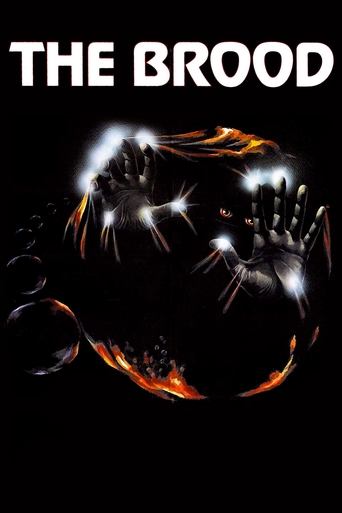
Possession → The Brood
The Link
Possession's creature is a private hallucination; Cronenberg makes the maternal body literally spawn. The Brood is the chain's most direct precursor to Other Mommy's sinister double: a child-shaped thing born of a mother's unspoken violence.
David Cronenberg's early body horror, in which a psychologist's controversial therapy enables a woman to give physical form to her rage, producing a brood of childlike killers.
The Brood → Ratcatcher
The Link
After Cronenberg's visceral brood, Ramsay offers a quieter horror: the mother who is present but depleted. Her film shows that the sinister double need not be supernatural to feel like an absence wearing a familiar face.
Lynne Ramsay's debut, set during a Glasgow bin strike in 1973, follows a boy whose mother is distant and whose world is filled with rats, rubbish, and the threat of removal.
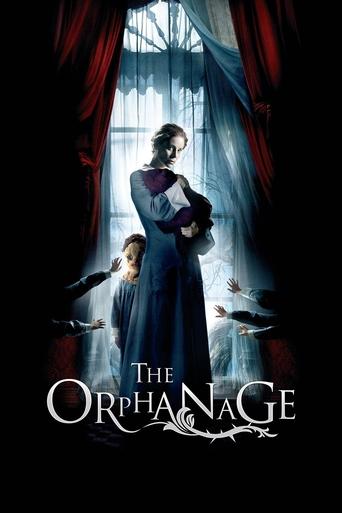
Ratcatcher → The Orphanage
The Link
Where Ratcatcher keeps its maternal absence buried in the damp fabric of Glasgow, The Orphanage makes that absence literal and architectural: a mother walks the corridors of a house designed for other people's children, listening for a voice that might be her son's or her own younger self's. The move from Ramsay's fragmented realism to Bayona's polished gothic is deliberate, because the chain needs a film that shows the mother-double as an institutional inheritance before The Babadook drags it back into the domestic present.
J.A. Bayona's debut turns a seaside orphanage into a machine for maternal longing: Laura returns to the house where she grew up, adopts a sick child, and loses him to a game that may or may not be played by the dead. The film's ghosts are children, but the figure under pressure is the mother, whose grief curdles into a need to be seen by something that will not answer.
The Orphanage → The Babadook
The Link
Evolution's clinical maternity returns to the home, but Kent refuses to separate the monster from the mother. Seen after Other Mommy, The Babadook confirms the chain's thesis: the sinister double is the part of motherhood that cannot be spoken.
Jennifer Kent's film about a widowed mother (Essie Davis) and her son, whose lives are invaded by a pop-up book monster that seems to feed on her exhaustion and rage.
Related Chains
Explore
Log in to leave a comment.
No comments yet.