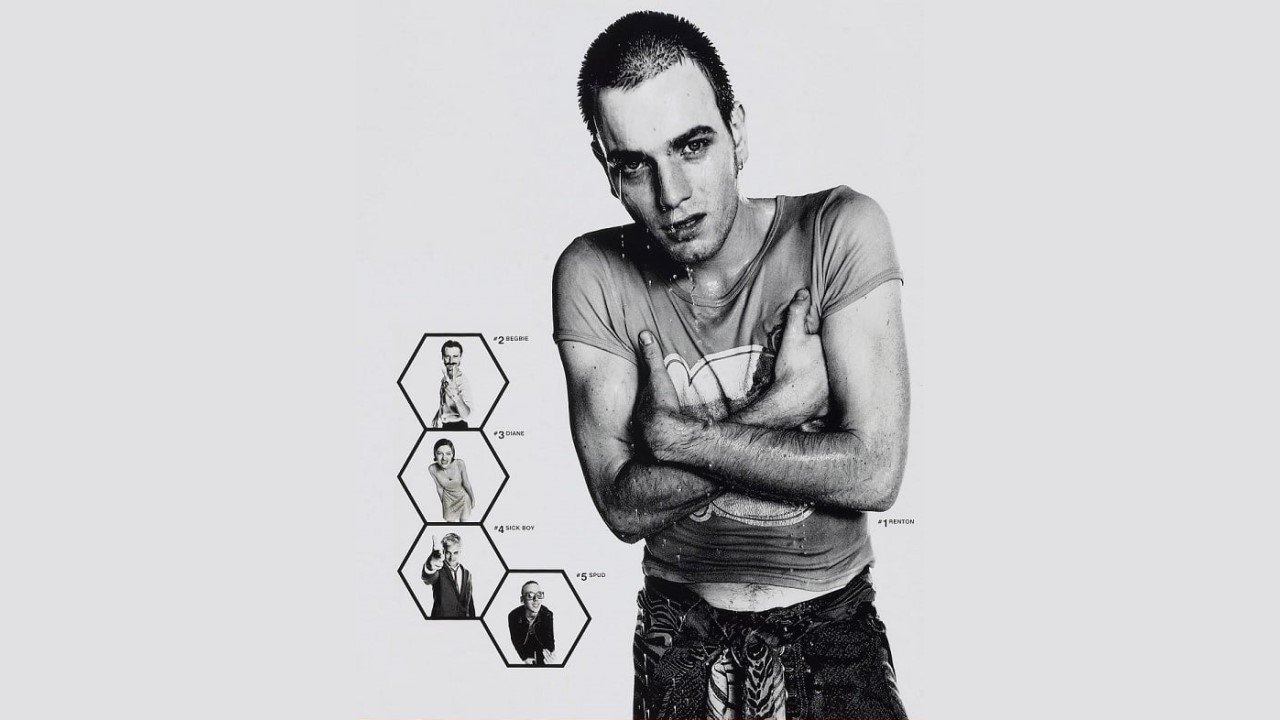
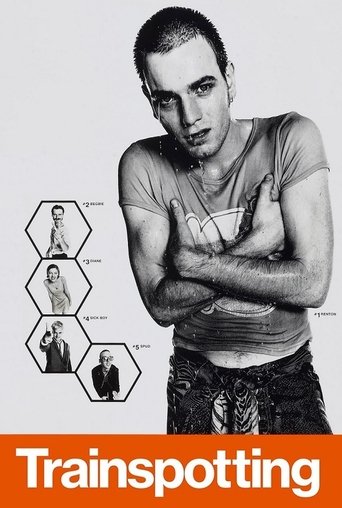
When Trainspotting arrived in 1996, it was quickly labelled as the ultimate "drugs movie". Decades on, its true subject matter is far clearer. It is not fundamentally about the chemical hit, but about what fills the vacuum when society offers nothing else: the fierce camaraderie of shared destruction, the rituals that anchor adrift lives, and the startling flatness of "choosing life" in a conventional world.
Cinema that explores heavy substance use often falls into moralising warnings or fetishised tragedy. The films in this chain, however, examine addiction as a surrogate for human connection and purpose.
In Jerry Schatzberg's The Panic in Needle Park (1971), heroin becomes the glue binding Bobby and Helen together. Their romantic attachment and their shared reliance on the needle are indistinguishable, demonstrating how the routine of addiction creates an inescapable form of intimacy.
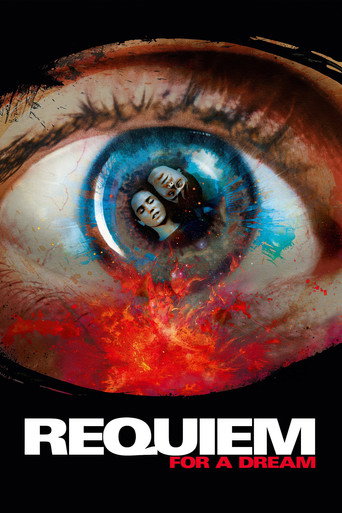
Darren Aronofsky takes this to its logical, tragic conclusion in Requiem for a Dream (2000). Here, the rituals of preparing and injecting replace genuine affection entirely. As the characters retreat further into their habits, the drug transforms from a shared secret into an absolute isolator.
What these films capture so acutely is the grief of recovery. When the high is gone, what remains is not immediate triumph, but a daunting emptiness. By treating the needle not merely as a hazard, but as a misguided attempt at belonging, this collection reveals an uncomfortable truth: the hardest part was never giving up the drug, but facing what was left behind.