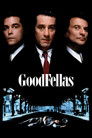
GoodFellas
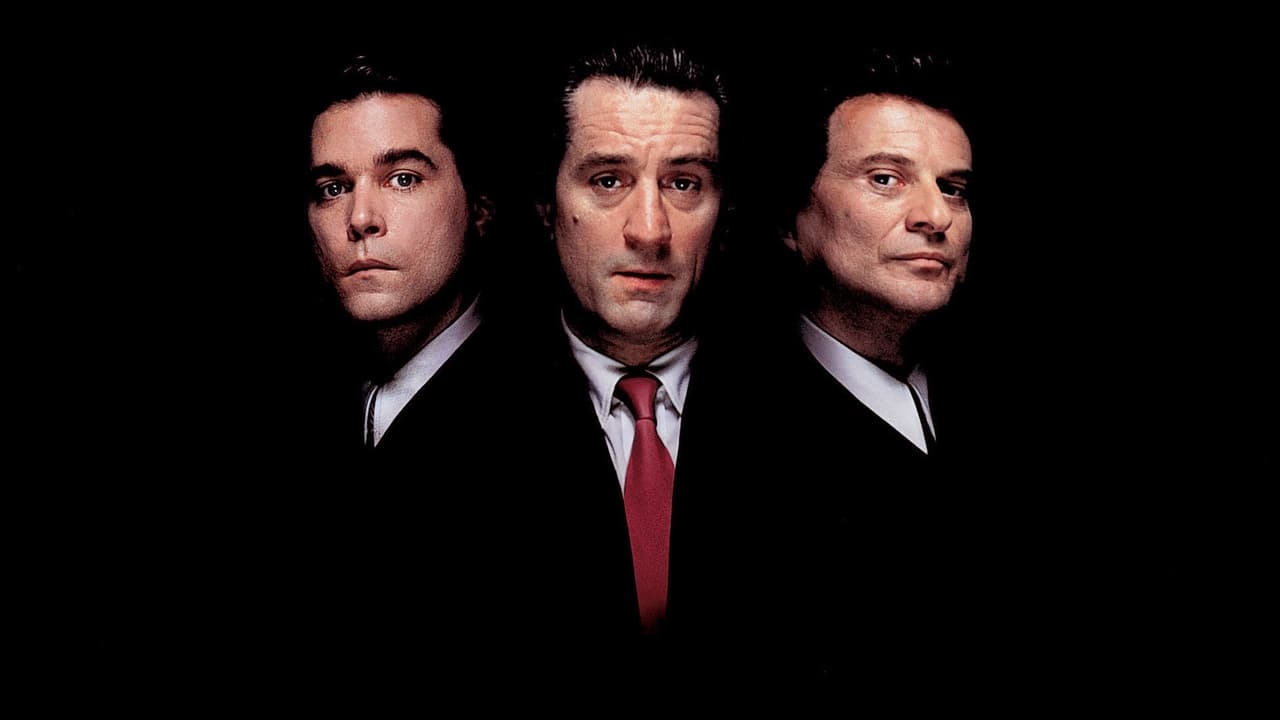
Scorsese's mob masterpiece opens with the Rolling Stones' 'Gimme Shelter' over a brutal car-trunk murder, setting a tone of seductive dread that never lets up.
Chain
From sudden silences to euphoric choruses, these are the film moments where a song doesn't just score the scene, it becomes the scene.
There is a particular alchemy when a filmmaker drops a pre-existing song into a scene and the world tilts. It is not mere accompaniment. A great needledrop is a collision: the right song, the right cut, the right actor's face, and suddenly the film speaks in a language beyond dialogue. It can be ironic, ecstatic, mournful, or all three at once. This chain is a celebration of that craft, a journey through ten moments where music does the heavy lifting and the cinema screen glows a little brighter.
We begin with a moment that redefined the very idea of the movie soundtrack. When Martin Scorsese set the Rolling Stones' 'Gimme Shelter' over the opening of Goodfellas, he wasn't just picking a banger. He was announcing a tone of impending doom, a world of casual violence and seductive danger. That track, with its wailing vocals and apocalyptic slide guitar, became the film's heartbeat, and it set a template for a generation of filmmakers. From there, we travel to the ecstatic surrealism of a dance in a diner, the aching nostalgia of a slow-motion walk through a crime scene, and the defiant punk of a teenage rebellion.
Each film in this chain connects to the last through a shared DNA: a director who understands that a song can be a character, a scene that builds to a single, perfect cue, or a piece of music that has become inseparable from the images it scores. We will move from the gritty streets of New York to the neon-lit highways of Los Angeles, from the quiet desperation of a suburban kitchen to the bombastic spectacle of a space opera. The common thread is the moment itself, that split second when the needle drops and everything clicks.
What follows is not a definitive list, for such a thing is impossible. It is a personal, passionate selection, a mix of the obvious and the slightly off-centre, a chain of moments that have lodged in my memory and refuse to leave. I hope you find a few of your own favourites here, and perhaps a discovery or two. Because when a needledrop works, it is pure cinema magic, and we all deserve a little more of that.
Scorsese's mob masterpiece opens with the Rolling Stones' 'Gimme Shelter' over a brutal car-trunk murder, setting a tone of seductive dread that never lets up.
GoodFellas → Pulp Fiction
The Link
From Scorsese's operatic violence to Tarantino's playful pastiche, both directors use music to create a heightened, stylised reality. The twist contest is a needledrop as pure joy, a counterpoint to the menace of 'Gimme Shelter'.
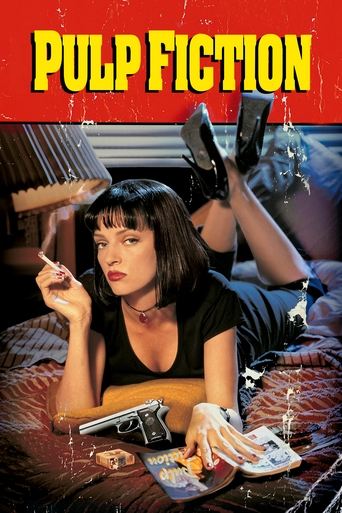
Chuck Berry's 'You Never Can Tell' fuels the twist contest at Jack Rabbit Slim's, a moment of pure, unadulterated cool that defines Tarantino's pop-culture collage.
Pulp Fiction → Reservoir Dogs
The Link
Tarantino again, but here the needledrop is weaponised. The jaunty tune against the graphic violence creates a discomfort that Scorsese's more operatic approach never quite achieves, showing a different shade of the same technique.
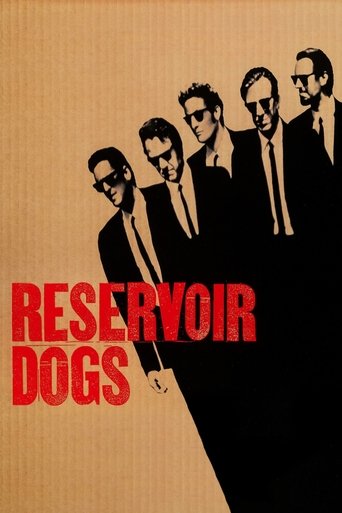
The ear-slicing torture scene is made unbearable by the cheerful pop of Stealers Wheel's 'Stuck in the Middle with You', a masterclass in ironic juxtaposition.
Reservoir Dogs → Trainspotting
The Link
From Tarantino's ironic pop to Danny Boyle's euphoric punk, both use music to define a generation's angst. Boyle's needledrop is a declaration of intent, a rush that mirrors the film's drug-fuelled highs and lows.
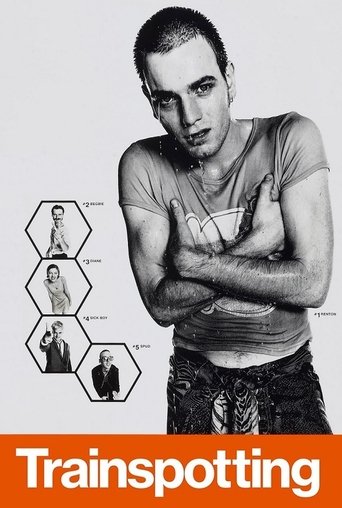
Iggy Pop's 'Lust for Life' propels Renton's iconic 'Choose Life' sprint through Edinburgh, a shot of pure adrenaline that captures the film's reckless energy.
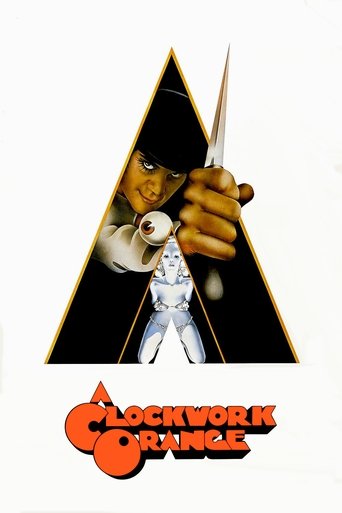
Trainspotting → A Clockwork Orange
The Link
Boyle's use of 'Lust for Life' is a celebration, but Kubrick's use of 'Singin' in the Rain' is a corruption. Both find a song that defines a character, but Kubrick's choice is a dark mirror, showing how music can be twisted into something monstrous.
Gene Kelly's 'Singin' in the Rain' becomes a chilling anthem of ultraviolence, as Alex croons while committing brutal acts, forever staining a beloved classic.
A Clockwork Orange → The Big Lebowski
The Link
From Kubrick's classical corruption to the Coens' classical whimsy, both use high art to score a surreal set piece. The Dude's dream is a gentle, funny counterpoint to Alex's nightmare, showing the same music can be a lullaby or a threat.
The Dude's dream sequence, with its ballet of bowling and Julianne Moore's swooping figure, is set to the ethereal strains of the 'Piano Concerto No. 1' by Tchaikovsky, a moment of pure, absurd transcendence.
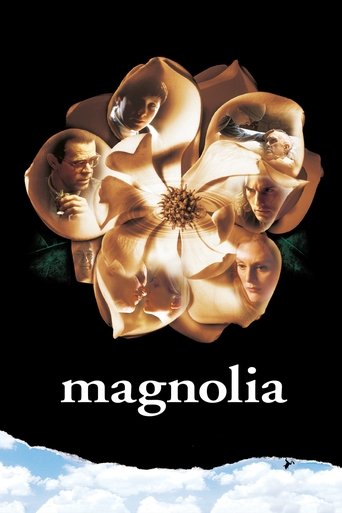
The Big Lebowski → Magnolia
The Link
The Coens use music to create a dreamlike detachment, but Paul Thomas Anderson uses it to shatter the fourth wall and unite his characters. The singalong is a needledrop as catharsis, a raw emotional release that echoes the Dude's dream but with a desperate, human ache.
Aimee Mann's 'Wise Up' becomes a communal confession as the entire cast sings along, a moment of shared vulnerability that breaks the film's narrative structure.
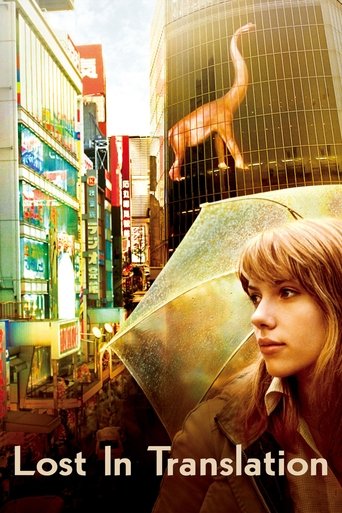
Magnolia → Lost in Translation
The Link
From Anderson's communal outpouring to Sofia Coppola's intimate whisper, both use music to articulate what words cannot. The needledrop here is a quiet, melancholic sigh, a perfect conclusion to a film about connection and loneliness.
The Jesus and Mary Chain's 'Just Like Honey' scores the final whisper and Bob's departure, a bittersweet, wordless goodbye that lingers long after the credits.
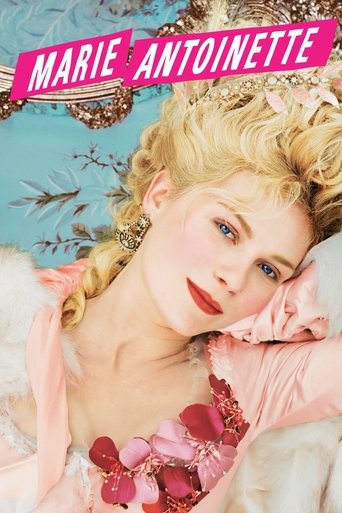
Lost in Translation → Marie Antoinette
The Link
Coppola again, but she swaps the quiet ache of 'Just Like Honey' for a defiant, candy-coated rebellion. The anachronistic pop is a deliberate provocation, a needledrop that refuses to be period-appropriate and instead captures the teenage spirit of its subject.
The Bow Wow Wow's 'I Want Candy' blasts over a montage of pastel macarons, shoe shopping, and champagne, an anachronistic burst of punk that defines the film's playful defiance.
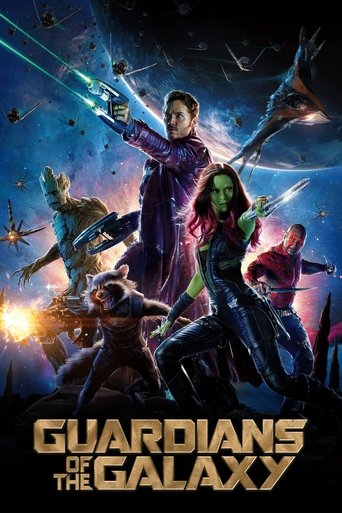
Marie Antoinette → Guardians of the Galaxy
The Link
From Coppola's anachronistic pop to James Gunn's cosmic mixtape, both use music to create a sense of identity and nostalgia. Quill's dance is a declaration of self, a needledrop that turns a lonely alien world into a personal playground, and it launched a whole new era of soundtrack-driven blockbusters.
Peter Quill's 'Come and Get Your Love' dance-off on a desolate planet is a goofy, joyful introduction that sets the tone for a space opera built on a mixtape of Earth's greatest hits.
Related Chains
Explore
Log in to leave a comment.
No comments yet.