In the 1980s, British cinema was in a strange place. The grand studio system had long since crumbled, and the industry was surviving on a diet of heritage pictures and the occasional Carry On. But on the margins, a new wave was stirring. Filmmakers like Stephen Frears, Hanif Kureishi, and Mike Leigh were making films that spoke directly to the fractures of Thatcher's Britain: race, class, sexuality, and the brutal economics of the decade. The problem was, these films were often too edgy, too confrontational, or simply too small for a traditional theatrical release. Enter the VHS tape.
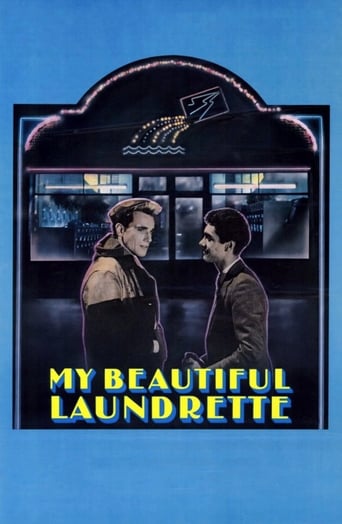
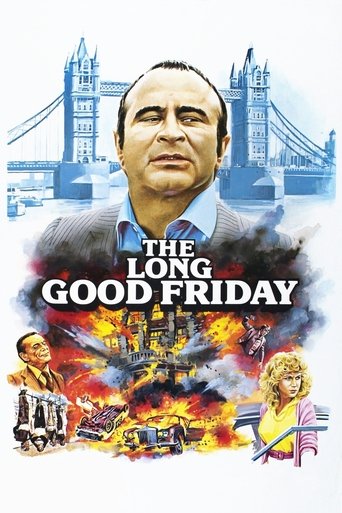
This chain is about that moment of collision. It's a journey through a decade and a half of British independent cinema, seen through the lens of the video revolution. VHS didn't just offer a new format; it offered a new distribution channel, a way to bypass the gatekeepers of the cinema circuit and reach audiences directly in their living rooms. For films like My Beautiful Laundrette, which premiered on Channel 4 before getting a patchy theatrical run, the video shelf was a lifeline. It turned a low-budget oddity into a national talking point. For others, like The Long Good Friday, a film that flopped at the box office, VHS was the great redeemer, transforming a flop into a cult classic.
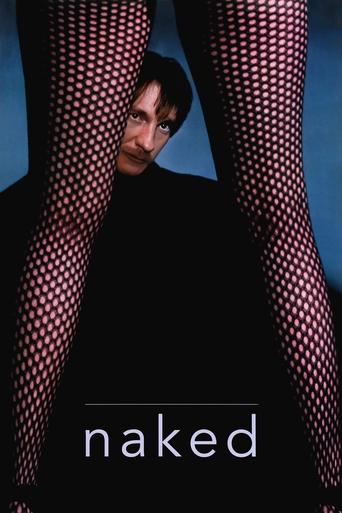
The films in this chain are selected for their artistic merit and their historical significance. They are also chosen because they represent different facets of the British independent scene: the social realism of Mike Leigh, the punk energy of Alex Cox, the raw sexual politics of Derek Jarman, and the raw nerve of Gary Oldman. Each one, in its own way, found a new audience on tape. The video shop became a cultural crossroads, where a curious teenager could rent Naked alongside a Hollywood blockbuster, and come away changed.
We begin with My Beautiful Laundrette, a film that feels like a lightning strike. It's a love story, a political allegory, and a portrait of a city in flux, all wrapped in a single, vibrant package. From there, we'll trace the threads that connect these films: the shared actors, the recurring themes of urban alienation and economic desperation, and the DIY spirit that defined the era. We'll visit the grim streets of Glasgow, the sun-baked terraces of Notting Hill, and the haunted landscapes of Derek Jarman's imagination. This is a chain about survival, about finding an audience against the odds, and about the humble VHS tape that made it all possible.