Log in Sign up

The Last Picture Shows

In an age of digital gloss, a new generation of filmmakers has returned to celluloid for its warmth, grain, and honesty. This chain follows the medium's resurgence, from Hollywood epics to indie gems.

· ·

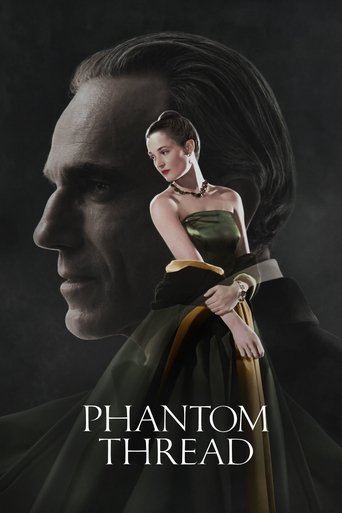
There's a moment in Paul Thomas Anderson's Phantom Thread when the camera catches the sheen on a silk gown, and you feel the texture of the fabric in your fingertips. That's not just cinematography; that's celluloid. In the decade since digital overtook the projection booth, a stubborn, romantic vanguard has kept shooting on 35mm and 70mm, not out of nostalgia but because the medium sees differently. It holds light the way a memory does, with a slight imperfection that feels like truth.

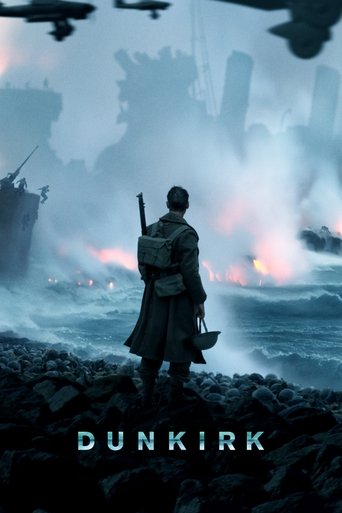
This chain is a journey through that revival, starting with the film that made the case for film in the digital age: Christopher Nolan's Dunkirk. Shot on a combination of IMAX 65mm and 70mm, it's a sensory immersion that no pixel can replicate. From there, we follow the grain to the intimate scale of Phantom Thread, where Anderson's 35mm captures the tactile world of a couture house. Then we cross the Atlantic to the British independent scene, where Clio Barnard's Dark River uses the medium's grit to tell a story of rural inheritance.

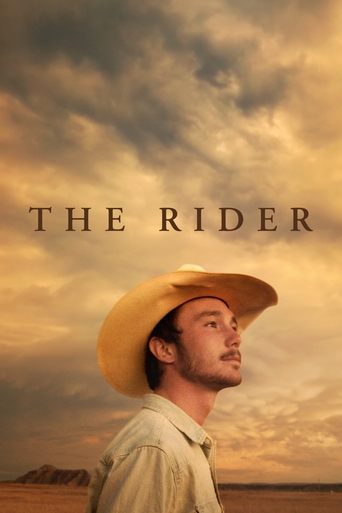
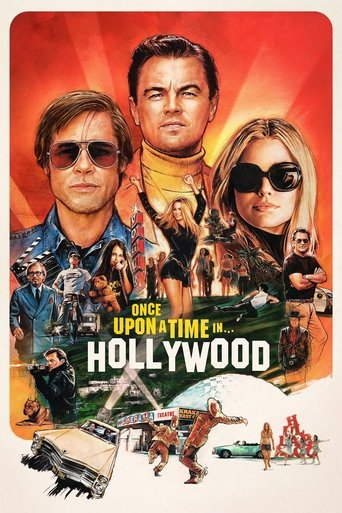
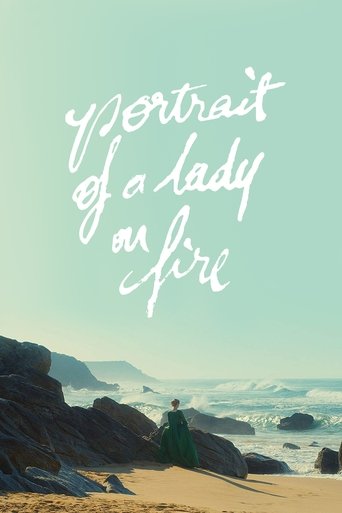
The chain then turns to the American indie, with Sean Baker's The Florida Project, shot on 35mm to find the magic in a budget motel. We move to the neo-noir shadows of Nightcrawler, where Dan Gilroy's camera prowls Los Angeles with a predatory gleam. Then a detour to the desert of The Rider, Chloé Zhao's elegy for a vanishing way of life, captured on film with a documentarian's eye. The journey peaks with the operatic excess of Once Upon a Time... in Hollywood, Tarantino's love letter to the dying era of 35mm, and closes with the intimate epic of Portrait of a Lady on Fire, where Céline Sciamma proves that film can be both a revolution and a whisper.

What unites these films is not a style but a philosophy: that the medium shapes the story. Grain is not a flaw; it's a fingerprint. Colour is not a filter; it's a feeling. As you watch this chain, you'll see how each filmmaker uses the physicality of film to draw you closer, to make you feel the weight of a glance, the heat of a sunbeam, the ache of a goodbye. This is cinema as it was meant to be seen: not as data, but as light.

Dunkirk
1

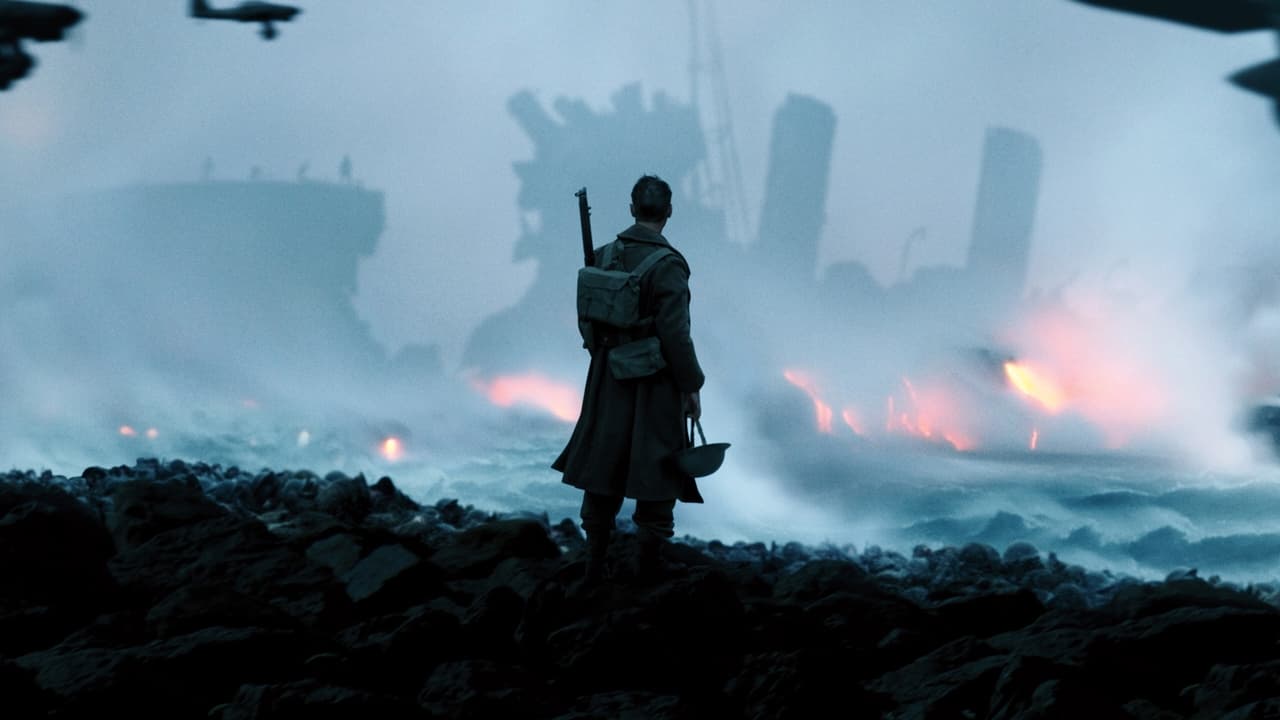
Dunkirk

2017 · dir. Christopher Nolan · 107 min

Nolan's war epic, shot on 65mm and IMAX, throws you onto the beach with visceral immediacy. The film's physicality is its argument for celluloid.

Dunkirk Phantom Thread

The Link

From the vastness of Dunkirk to the intimacy of a dressmaker's atelier, Anderson uses the same 35mm stock to turn detail into drama. Where Nolan's film is about the pressure of history, this is about the pressure of a single stitch.

Phantom Thread
2

Phantom Thread

2017 · dir. Paul Thomas Anderson · 130 min

Anderson's study of a couturier's obsessive craft, shot on 35mm, finds the sensuous texture in every fabric and gesture.

Phantom Thread Dark River

The Link

Barnard's film shares Phantom Thread's attention to craft and inheritance, but swaps the silk for soil. The grain of the film stock becomes the grit of the land, grounding the story in a physical world.

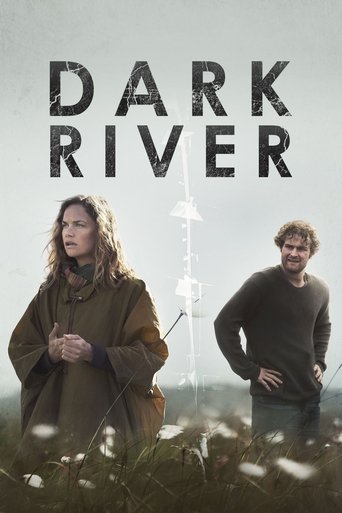
Dark River
3

Dark River

2017 · dir. Clio Barnard · 90 min

Clio Barnard's Yorkshire-set drama about a woman returning to the family farm, shot on 35mm for its raw, earthy texture.

Dark River The Florida Project

The Link

Where Dark River is muted and earthy, Baker's palette is loud and sun-bleached. Yet both use 35mm to find beauty in overlooked places, turning the ordinary into the extraordinary.

The Florida Project
4

The Florida Project

2017 · dir. Sean Baker · 112 min

Sean Baker's portrait of childhood on the margins of Disney World, shot on 35mm to capture the vibrant, faded colours of a budget motel.

The Florida Project Nightcrawler

The Link

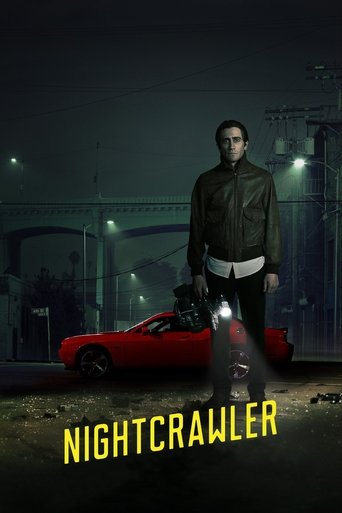
From the sunlit motels of Florida to the neon-lit streets of Los Angeles, Nightcrawler twists the medium toward menace. The same film stock that captured childhood wonder now captures a sociopath's cold ambition.

Nightcrawler
5

Nightcrawler

2014 · dir. Dan Gilroy · 118 min

Dan Gilroy's neo-noir thriller about a freelance crime journalist, shot on 35mm for its slick, predatory sheen.

Nightcrawler The Rider

The Link

Zhao's film shares Nightcrawler's fascination with the American landscape, but where Gilroy's LA is a jungle, Zhao's South Dakota is a vast, lonely plain. The film stock gives the images a timeless, almost mythic quality.

The Rider
6

The Rider

2018 · dir. Chloé Zhao · 103 min

Chloé Zhao's elegy for a Lakota cowboy, shot on 35mm with non-actors, blending documentary realism with cinematic poetry.

The Rider Once Upon a Time... in Hollywood

The Link

Tarantino takes the mythic Americana of The Rider and turns it into a pop-art reverie. His film is a celebration of the very medium this chain worships, a eulogy for the era when 35mm was king.

Once Upon a Time... in Hollywood Portrait of a Lady on Fire

The Link

After Tarantino's fireworks, Sciamma's film is a quiet, intense coda. It uses 35mm to create a world of glances and gestures, proving that the medium's power lies not in spectacle but in the spaces between words.

Where this chain leads

Genres

  • Action
  • Drama
  • War
  • Romance
  • Mystery
  • Thriller
  • Crime
  • Western

Log in to leave a comment.

No comments yet.