
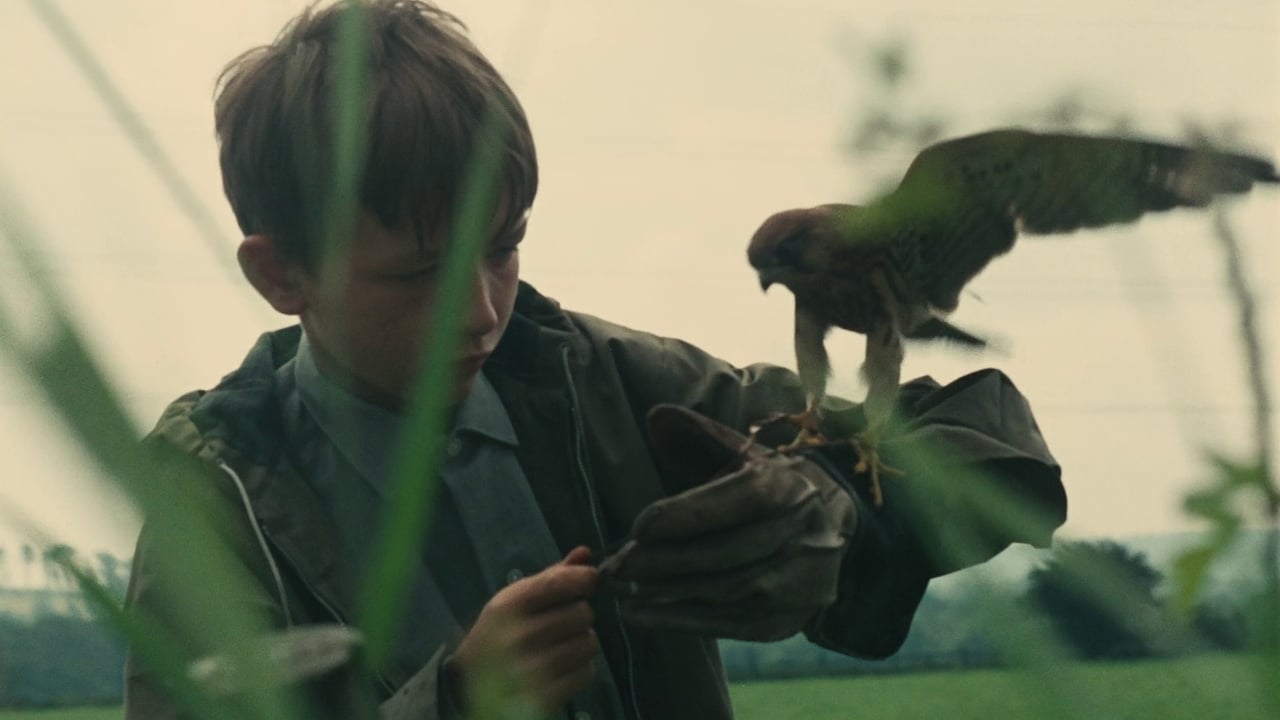
There is a particular kind of coming-of-age film that treats youth as a golden hour, all soft focus and wistful piano. This chain is its antidote. It begins with Kes, Ken Loach's 1969 masterpiece, which remains the benchmark for unsentimental storytelling about growing up. Set in a Barnsley mining town, it follows Billy Casper, a boy whose only solace is a kestrel he trains, and it refuses to soften the brutal edges of his world: the bullying, the poverty, the crushing lack of opportunity. Loach's camera observes without judgement, and the film's famous ending offers no redemption, only a quiet, devastating resignation.
From that northern English touchstone, the chain fans out across continents and decades, each film sharing Kes's commitment to authenticity over nostalgia. These are stories where the adults are fallible, the victories are small, and the endings often remain open. They use naturalistic performances, stark cinematography, and a refusal to tie things up neatly, capturing the disorienting reality of adolescence rather than its myth.
You will find the awkwardness of Welcome to the Dollhouse, the simmering frustrations of Ratcatcher, and the fierce solidarity of Girlhood. Each film approaches the theme from a different angle, but together they form a coherent argument: growing up is not a montage of first kisses and graduation days. It is a series of confusing, often painful moments that leave their mark long after childhood ends.
This is cinema that trusts its audience to sit with discomfort, to recognise the truth in these unvarnished portraits. It is a journey worth taking, not for the warm glow it leaves behind, but for the sharp, clear light it shines on a universal experience.
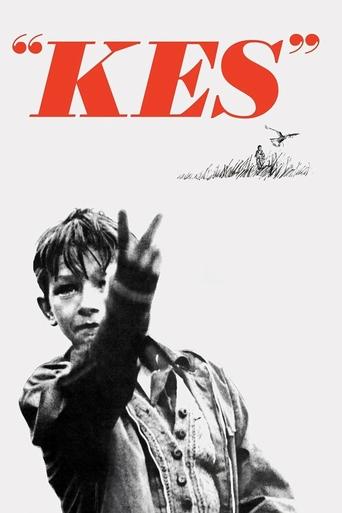
Kes → A Taste of Honey
The Link
Like Kes, this film emerged from the British kitchen-sink movement, sharing its gritty northern settings and its focus on a young protagonist trapped by class and circumstance. Richardson's film, made a decade earlier, establishes the template of unsentimental observation that Loach would later refine.
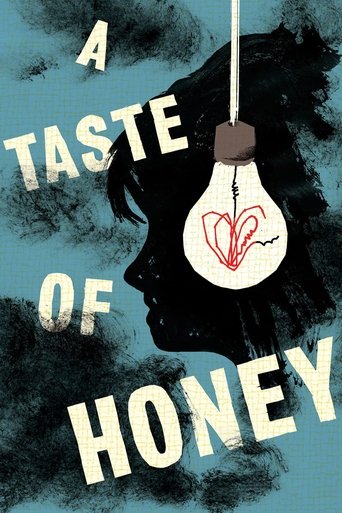
A Taste of Honey
Tony Richardson's adaptation of Shelagh Delaney's play follows Jo, a working-class teenager in Salford, who navigates a pregnancy and an unlikely friendship with a gay art student. Its raw, improvised feel and refusal to moralise make it a precursor to the British New Wave's honesty.
A Taste of Honey → Welcome to the Dollhouse
The Link
Moving from Britain to American suburbia, this film shares Kes's refusal to soften its protagonist's suffering. Dawn's struggles are played for uncomfortable laughs, but the underlying pain is as real as Billy's, and the film's open ending offers no easy consolation.
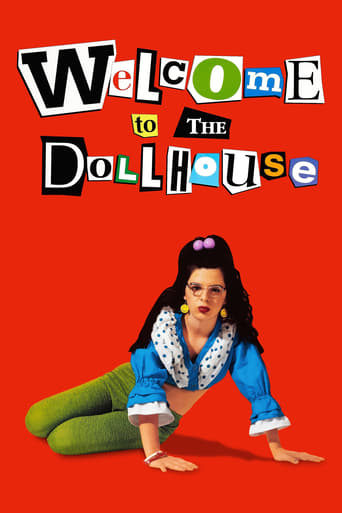
Welcome to the Dollhouse
Todd Solondz's acid comedy centres on Dawn Wiener, a middle-school outcast whose desperate attempts to fit in are met with cruelty and indifference. The film's unglamorous suburban setting and brutally honest performances capture the social warfare of adolescence.
Welcome to the Dollhouse → Ratcatcher
The Link
Ramsay shares Loach's commitment to working-class British realism, but her approach is more poetic and interior. Where Kes observes Billy's external world, Ratcatcher dives into James's psyche, using stark visuals and silence to convey the weight of unspoken emotion.
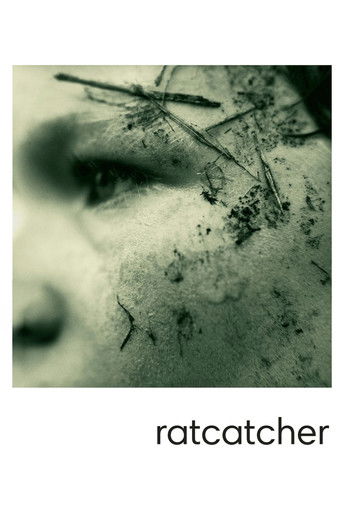
Ratcatcher
Lynne Ramsay's debut follows James, a boy in 1970s Glasgow, as he deals with guilt and grief after a tragic accident. The film's tactile imagery and elliptical storytelling evoke childhood's fragmented perceptions without ever turning sentimental.
Ratcatcher → Girlhood
The Link
From Glasgow to the Paris suburbs, this film continues the exploration of marginalised adolescence. Marieme's story echoes Billy's search for autonomy, but Sciamma's focus on female solidarity and the complexities of identity offers a fresh perspective on the theme.

Girlhood
Céline Sciamma's film follows Marieme, a Parisian teenager who joins a girl gang and begins to forge her own identity. The film's vibrant yet unvarnished portrayal of friendship and defiance challenges stereotypical depictions of banlieue youth.
Girlhood → Mustang
The Link
The sisters' fight for freedom mirrors Marieme's struggle in Girlhood, but here the constraints are familial and cultural rather than urban. Ergüven's film shares the earlier work's unsentimental gaze, showing how joy and resistance can coexist with oppression.
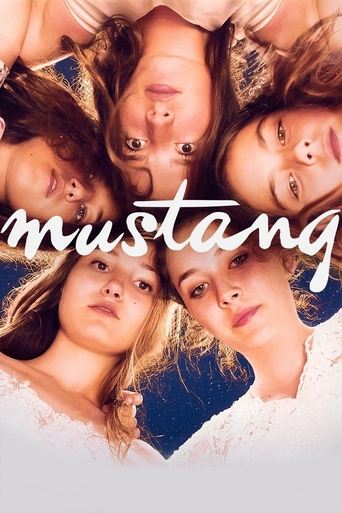
Mustang
Deniz Gamze Ergüven's film follows five orphaned sisters in a Turkish village who are increasingly confined by their guardians' strict notions of honour. Their rebellious escapes are captured with a vibrant energy that never tips into melodrama.
Mustang → The Florida Project
The Link
Moonee's world is a world away from the Turkish village, yet both films share a child's-eye view of hardship. Baker's use of non-professional actors and his refusal to judge his characters align with the chain's commitment to authentic, unsentimental storytelling.

The Florida Project
Sean Baker's film follows Moonee, a six-year-old living in a budget motel near Disney World, whose summer is filled with mischief and adventure. The film's vibrant colours and naturalistic child performances capture a world of poverty without losing its sense of wonder.
The Florida Project → Petite Maman
The Link
Sciamma returns to close the chain, offering a more contemplative take on childhood. Where Girlhood was about forging identity, Petite Maman is about understanding the past, and its quiet, unresolved moments echo the emotional honesty of Kes while moving toward a kind of peace.

Petite Maman
Céline Sciamma's delicate fantasy sees eight-year-old Nelly meet a mysterious girl in the woods who may be her mother as a child. The film's brief runtime and gentle tone explore grief and connection with a rare, unsentimental clarity.
Related Chains
Continue exploring



Explore
Where this chain leads
Topics
People
Genres
- Drama
- Comedy
- Fantasy
Comments
Log in to leave a comment.
No comments yet.