People
Franz Planer
Camera · follow into films and chains
Biography
Descended from a wealthy family of landowners in what was then Austria-Hungary, Franz Planer understood the importance of photography as an art form early in his life. He first stood behind the camera as a portrait photographer, working out of Vienna from 1910. He soon branched out, filming newsreels in Paris and, in 1919, joined the growing German film industry as chief cameraman for Emelka (which became Bavaria Studios in 1932), in Munich. During the 1920s and early 1930's, he acquired a reputation for style, having worked as cinematographer for such distinguished directors as F.W. Murnau and Wilhelm Thiele, most of his films being commercially popular entertainments. Anticipating the "Anschluss" - the forcible annexation of Austria by Nazi Germany under Adolf Hitler - Planer left Austria in 1937 and, using the pseudonym Frank F. Planer, sought work in Hollywood. He joined the American Society of Cinematorgaphers and was signed under contract at Columbia from 1938-45, and, again, from 1949-50 (in between working at Universal from 1947-49), filming in a variety of different genres. At this stage in his career, he often used real-life locations and shot primarily in black-and-white, in almost semi-documentary style. Like other European cinematographers, he was heavily influenced by German expressionism and used chiaroscuro lighting and stark contrasts between light and shade to achieve thematic mood requirements - particularly for films noir, such as Criss Cross (1949) and 711 Ocean Drive (1950). Planer's creative collaboration with director Max Ophüls is frequently cited as among his best work, notably the melancholic romantic drama Letter from an Unknown Woman (1948). During the 1950s Planer was much in demand and used by many of Hollywood's top directors, including Robert Siodmak, John Huston, Edward Dmytryk and Stanley Kramer. Increasingly comfortable with color photography from 1954, Planer worked on several A-grade productions. He created a particularly realistic feel for The Caine Mutiny (1954) and The Nun's Story (1959) by utilizing sparse, functional interiors. Unusual camera angles/perspectives, tracking shots and objects inserted between camera and subject contributed to the look of the popular Breakfast at Tiffany's (1961). Planer never won an Academy Award, though he was nominated five times: for Champion (1949), Death of a Salesman (1951), Roman Holiday (1953), The Nun's Story (1959) and The Children's Hour (1961). - IMDb mini biography by: I.S.Mowis
Notable films
Where to start
Highlights from credits and KinoChain journeys.
Roman Holiday
Appears in a KinoChain journey
The Caine Mutiny
Appears in a KinoChain journey
Letter from an Unknown Woman
Appears in a KinoChain journey

Breakfast at Tiffany's
Director of Photography
The Unforgiven
Director of Photography
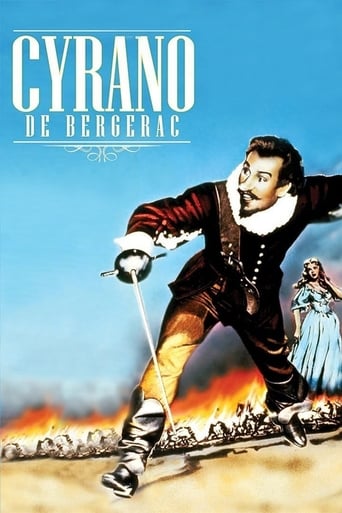
Cyrano de Bergerac
Director of Photography

Holiday
Director of Photography
Chains
KinoChain journeys
Public chains that pass through their films — or name them as a bridge.
Storming the Deck
From the Bounty to the Caine, mutiny films have always been about more than shipboard insurrection. This chain charts how cinematic rebellions at sea reflect th...
7 films
The Melodrama They Never Let Us Keep
Rachel Morrison's Love of Your Life arrives as a reminder: the woman's picture was never a lesser form. It was grief, desire and colour, and the Europeans knew...
8 films
The Writer's Fight
From Spartacus to the shadows of the blacklist, a chain of films that honours the courage of Hollywood's silenced screenwriters.
8 films
The Weight of Command: Eight Faces of Authority
From courtroom to battlefield, from boardroom to the Oval Office, these eight performances explore the many masks of power and the human cost of wearing them.
8 films
Topics
Explore by topic
Related people