Spartacus
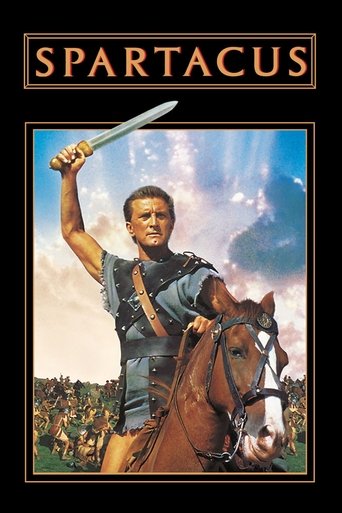
Stanley Kubrick's epic of a slave revolt, with a screenplay by Dalton Trumbo, credited under his own name after a decade of blacklist anonymity.
Chain
From Spartacus to the shadows of the blacklist, a chain of films that honours the courage of Hollywood's silenced screenwriters.
In 1960, when Spartacus finally reached the screen, it carried a credit that had been forbidden for a decade: written by Dalton Trumbo. The film's release marked the beginning of the end for the Hollywood blacklist, a moment when the industry's most powerful figures chose principle over fear. Kirk Douglas's insistence on crediting Trumbo turned a Roman epic into a political statement, and the film's own themes of rebellion against tyranny mirrored the fight happening behind the cameras.
This chain follows the paths of blacklisted writers and the films they made, often under borrowed names or in exile. It moves from the grand defiance of Spartacus to quieter acts of resistance, from the courtroom battles of the House Un-American Activities Committee to the personal costs of standing firm. Along the way, we encounter lesser-known works that deserve rediscovery, each one a testament to the resilience of the written word in cinema.
What unites these films is not just their political context, but their insistence on the writer's voice. Whether through the sharp dialogue of a Hollywood satire or the haunting silences of a European exile, they remind us that storytelling itself can be an act of courage. This is a journey through a dark chapter of film history, but also through the enduring power of those who refused to be silenced.
Stanley Kubrick's epic of a slave revolt, with a screenplay by Dalton Trumbo, credited under his own name after a decade of blacklist anonymity.
Spartacus → Roman Holiday
The Link
From Spartacus's open defiance, we step back to the earlier pseudonymous work that kept Trumbo employed, showing how the blacklist forced brilliance into hiding.
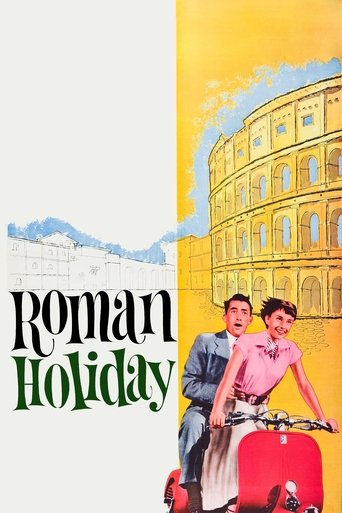
A princess escapes her duties for a day in Rome, with a script by Dalton Trumbo (under Ian McLellan Hunter's name) that won an Oscar.
Roman Holiday → The Brave One
The Link
This film deepens the irony of the blacklist: Trumbo's award-winning script was celebrated while its author remained invisible, a poignant contrast to Spartacus's public credit.
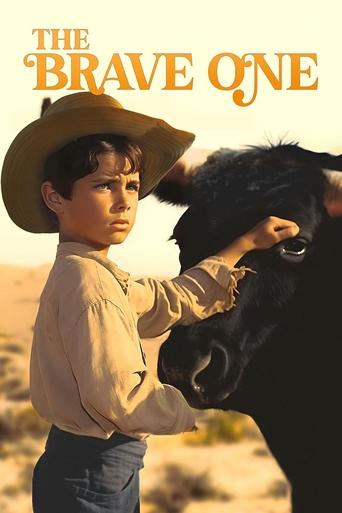
A boy fights to save his beloved bull from the ring, written by Dalton Trumbo under the pseudonym Robert Rich, which won an Oscar he could not claim.
The Brave One → Salt of the Earth
The Link
Where Spartacus staged rebellion in ancient Rome, this film shows a contemporary fight, made by blacklisted artists who took their craft outside Hollywood's reach.
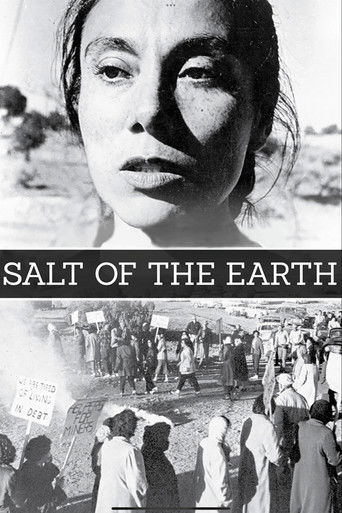
A real New Mexico miners' strike, told from the women's perspective, written by blacklisted screenwriter Michael Wilson and made by an independent crew.
Salt of the Earth → The Defiant Ones
The Link
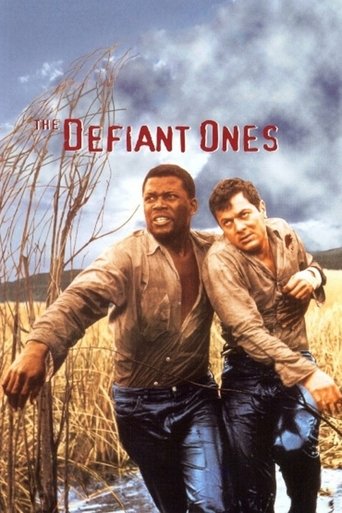
The literal chains of this film echo the metaphorical chains of the blacklist, and its story of enforced solidarity resonates with the collective struggle of blacklisted writers.
Two escaped convicts, one black and one white, chained together, must cooperate to survive, with a script by Nedrick Young (under the name Nathan E. Douglas).
The Defiant Ones → Exodus
The Link
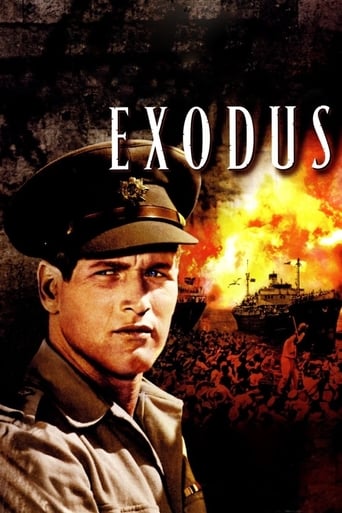
Following Spartacus, this film shows Trumbo working openly on a grand canvas again, though the political complexities of its subject would spark new debates.
The founding of Israel, adapted by Dalton Trumbo from Leon Uris's novel, a sprawling historical drama that marked another step in his rehabilitation.
Exodus → Johnny Guitar
The Link
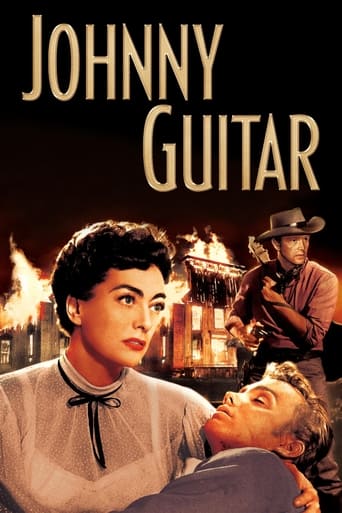
This Western's hysteria and persecution of the outsider offer a coded allegory for the blacklist, showing how genre could carry political meaning even under surveillance.
A saloon owner faces a lynch mob in a stylised Western, written by blacklisted Philip Yordan (who fronted for others) and directed by Nicholas Ray.
Johnny Guitar → Trumbo
The Link
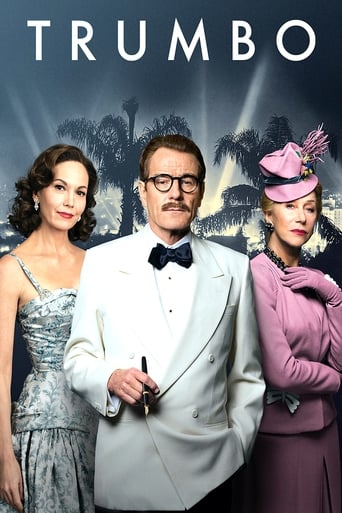
The chain closes with a direct portrait of the man who started it, reflecting back on the courage and cost of a career spent battling for the right to write.
Related Chains
Explore
Log in to leave a comment.
No comments yet.