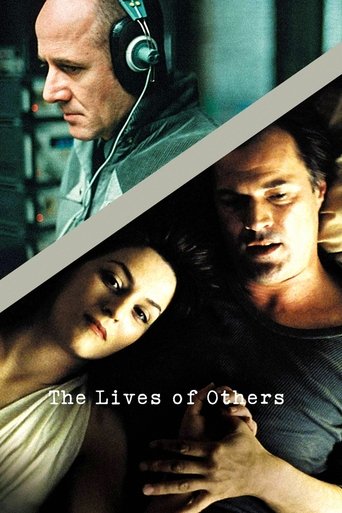
The Lives of Others
A Stasi agent, tasked with surveilling a playwright and his lover, becomes so moved by their passion that he begins to protect them, at great personal cost.
Chain
From Berlin to Buenos Aires, a journey through films where romance and espionage entwine, revealing the human cost of secrets.
The spy film has always been a genre of masks, but the most enduring examples understand that the truest disguise is love. This chain traces a lineage of cinema where the personal and the political are inseparable, where a kiss can be a cover and a betrayal can break a heart as surely as a code. We begin in the shadows of the Cold War and travel through time and across continents, ending in a place where the lines between spy and lover are impossibly blurred.
Our journey starts with 'The Lives of Others', Florian Henckel von Donen's devastating portrait of a Stasi agent who becomes emotionally entangled with the artist he is assigned to surveil. It is a film about the cost of empathy in a system that forbids it, and it sets the tone for a chain that values moral complexity over gadgetry. From there, we move to a different kind of surveillance: the bureaucratic paranoia of John le Carré's world, where love is a liability and trust is a weapon.
As we cross the Atlantic, we encounter the paranoid thrillers of the 1970s, where the personal and political collide in a haze of conspiracy. Then we shift to a more intimate register: a French New Wave classic that treats espionage as a game of emotional cat-and-mouse, and a British television masterpiece that finds romance in the quiet desperation of the intelligence community. The chain then leaps to the present, where the digital age has transformed both love and espionage, and finally lands in a place where the spy is a ghost and love is a memory.
Each film in this chain is a variation on a theme: the impossibility of intimacy when every word is a potential lie, the loneliness of the double life, and the rare moments when genuine feeling breaks through the facade. These are not films about heroes and villains, but about people caught in a system that dehumanises them. They are united by a belief that the most dangerous secrets are the ones we keep from ourselves.
A Stasi agent, tasked with surveilling a playwright and his lover, becomes so moved by their passion that he begins to protect them, at great personal cost.
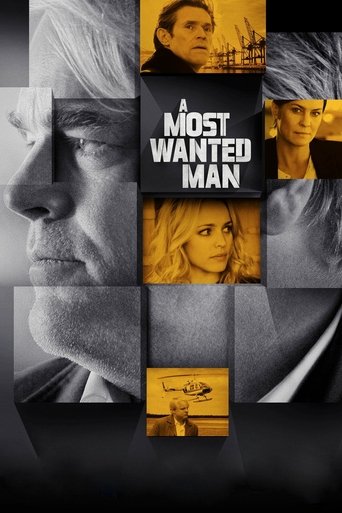
The Lives of Others → A Most Wanted Man
The Link
Where 'The Lives of Others' shows a spy's empathy as his undoing, 'A Most Wanted Man' presents a world where empathy is a commodity, traded and exploited. The moral grey of le Carré's Hamburg is a direct descendant of the ethical quagmire of the Stasi.
In Hamburg, a German intelligence agent and a British spy navigate a dangerous game of cat-and-mouse with a Chechen immigrant, where love and betrayal are intertwined.
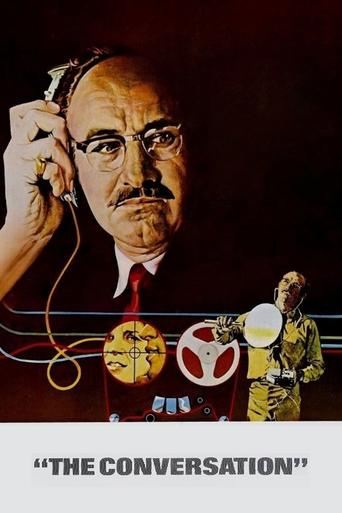
A Most Wanted Man → The Conversation
The Link
From the state surveillance of the Stasi to the private surveillance of a lone professional, 'The Conversation' shifts the focus inward. Harry Caul's isolation mirrors the emotional distance that the Stasi agent must overcome, and the film's paranoid atmosphere deepens the theme of the listener as a prisoner of his own craft.
A surveillance expert becomes obsessed with a recording he made of a couple, convinced that his work will lead to their murder.
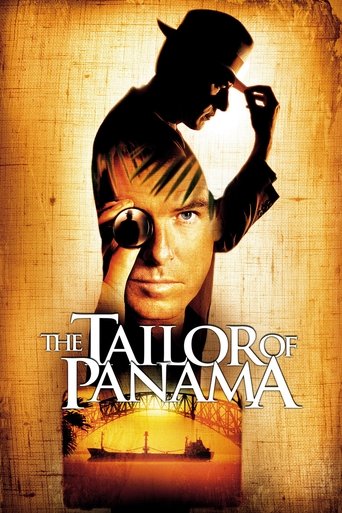
The Conversation → The Tailor of Panama
The Link
John le Carré's world of moral compromise, introduced in 'A Most Wanted Man', is here given a darker comic twist. The spy's manipulation of the tailor and his wife echoes the exploitation seen in the earlier film, but the tone is more cynical, and the romance is a casualty of the game.
A British spy recruits a tailor with a checkered past to provide intelligence, leading to a web of lies that entangles both their lives and loves.
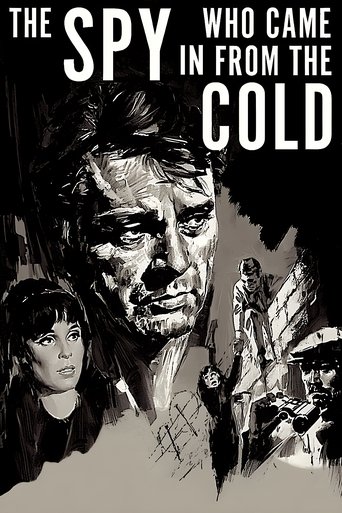
The Tailor of Panama → The Spy Who Came In from the Cold
The Link
The Cold War setting returns, but this is the inverse of 'The Lives of Others': here the spy is the one who must suppress his feelings to survive. The bleak, black-and-white world of le Carré is a direct ancestor of the moral grey of the later film.
A burned-out British agent is sent on a final mission into East Germany, where his love for a communist woman becomes a weapon against him.
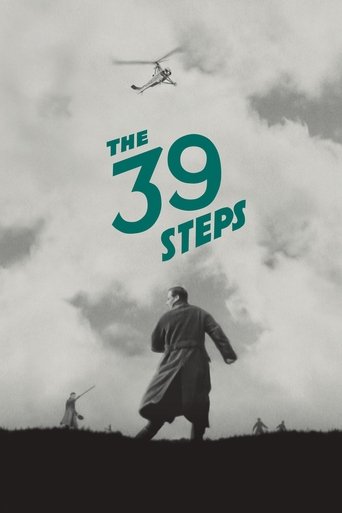
The Spy Who Came In from the Cold → The 39 Steps
The Link
Hitchcock's classic introduces the romantic tension that would define the spy romance genre. The forced intimacy of the handcuffs is a playful precursor to the emotional entrapment of the later films, and the film's wit lightens the mood before the chain darkens again.
A man on the run from spies is handcuffed to a woman who doesn't trust him, and together they must uncover a secret that threatens the nation.
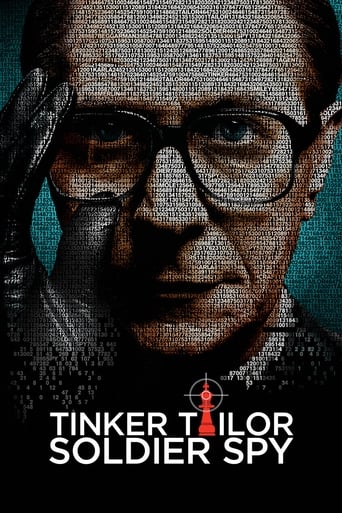
The 39 Steps → Tinker Tailor Soldier Spy
The Link
The Cold War paranoia of 'The Spy Who Came in from the Cold' is here rendered in muted, autumnal tones. The romance is not in the present but in the past, a ghost that haunts the corridors of power, and the film's restraint is a perfect counterpoint to the earlier film's intensity.
In the 1970s, a retired British spy is brought back to uncover a mole at the top of MI6, navigating a world where trust is a commodity and love is a memory.
Related Chains
Explore
Log in to leave a comment.
No comments yet.