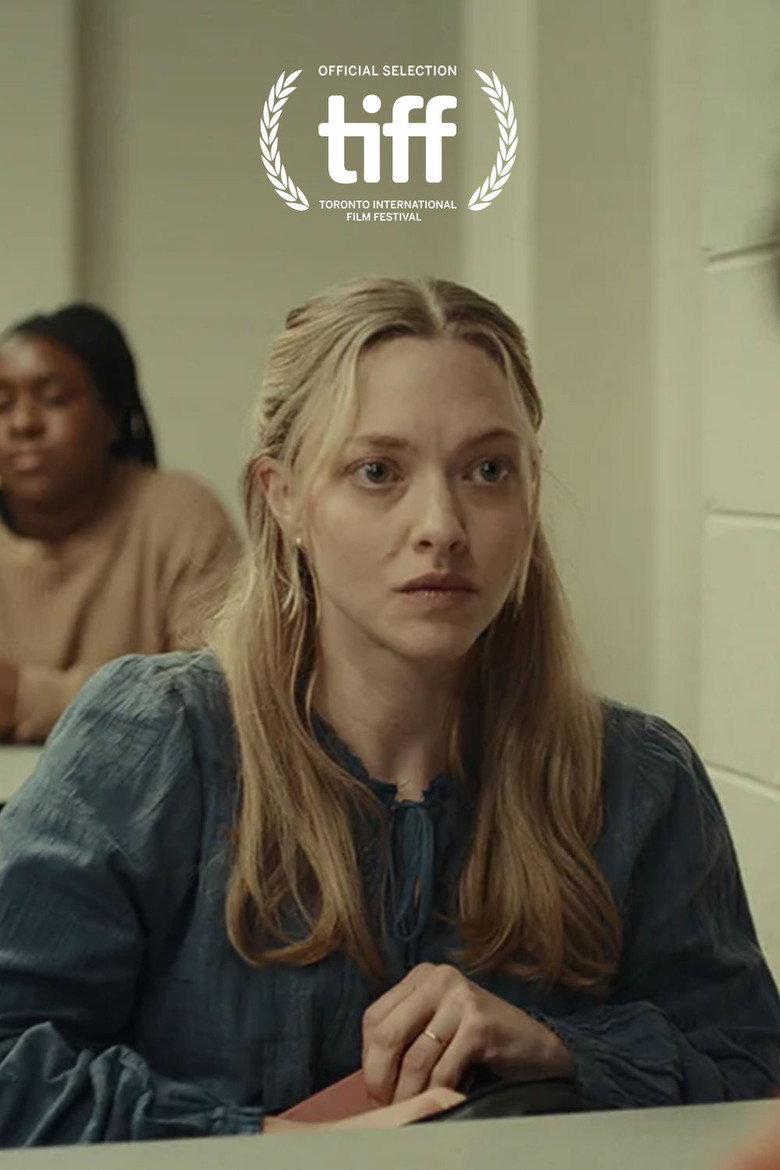
The Life and Deaths of Wilson Shedd arrives with a premise that could easily curdle into melodrama: a teacher trapped in an abusive marriage takes work at a maximum security prison and falls for a charismatic inmate. What makes the film worth building a season around is its refusal to settle for the comfortable version of that story. Punishment, retribution, the limits of our humanity: the film treats these as live questions rather than themes to be illustrated. It belongs to a lineage of cinema that looks at people who have done something unforgivable and declines to look away, not out of cruelty but out of a stubborn belief that understanding is not the same as excusing.
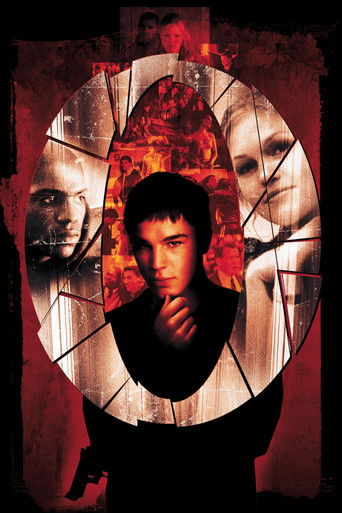
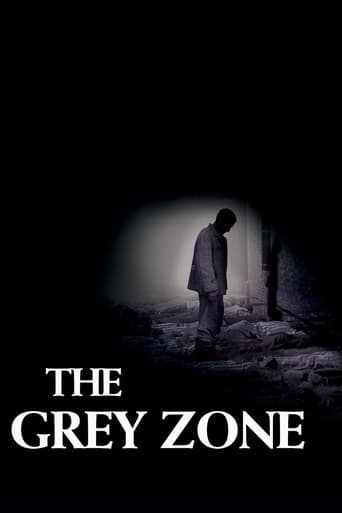
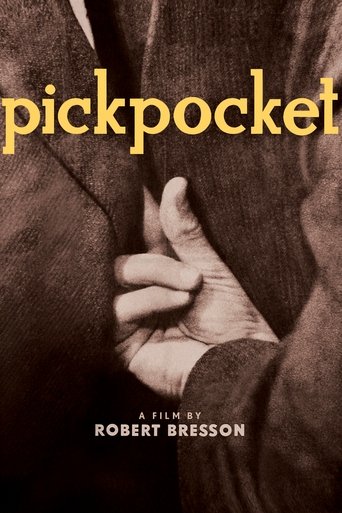
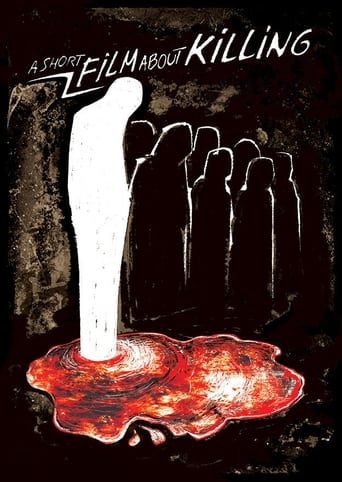
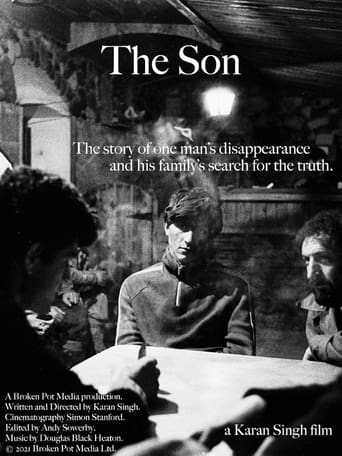
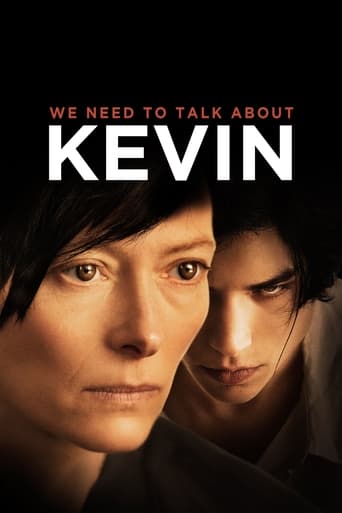
That lineage runs through Tim Blake Nelson's O, where a Shakespearean tragedy is relocated to a American high school and the violence feels both inevitable and freshly obscene, and through his The Grey Zone, in which members of a Jewish Sonderkommando in Auschwitz negotiate the unthinkable arithmetic of survival. Nelson is a director who trusts his audience to sit with moral vertigo, and the same trust animates Robert Bresson's Pickpocket, Krzysztof Kieslowski's A Short Film About Killing, the Dardenne brothers' The Son, and Lynne Ramsay's We Need to Talk About Kevin. Each film withholds the consolation of a clean verdict.
The sequence matters because it moves from the intimate to the institutional and back again. Bresson's pickpocket is a man who has wronged almost no one in particular yet cannot forgive himself; Kieslowski's young killer and his victim are held in the same frame until the distinction between them becomes unbearable. The Dardennes place a carpenter and the boy who murdered his son in the same room and ask what it would take to stay there. Ramsay builds a whole film out of a mother's dread, and the result is not a monster movie but a study in the cost of empathy when empathy is the last thing anyone deserves.
What unites these directors is a formal discipline that mirrors their moral seriousness. Bresson strips away performance; Kieslowski extends a killing until it becomes a kind of prayer; the Dardennes keep the camera on the back of a neck until we feel the weight of another person's existence. Watching them in this order, with Wilson Shedd as the anchor, is to experience cinema as an ethical instrument rather than an escape. The films do not tell us what to feel. They ask us to keep watching, and to notice what that watching costs.