1
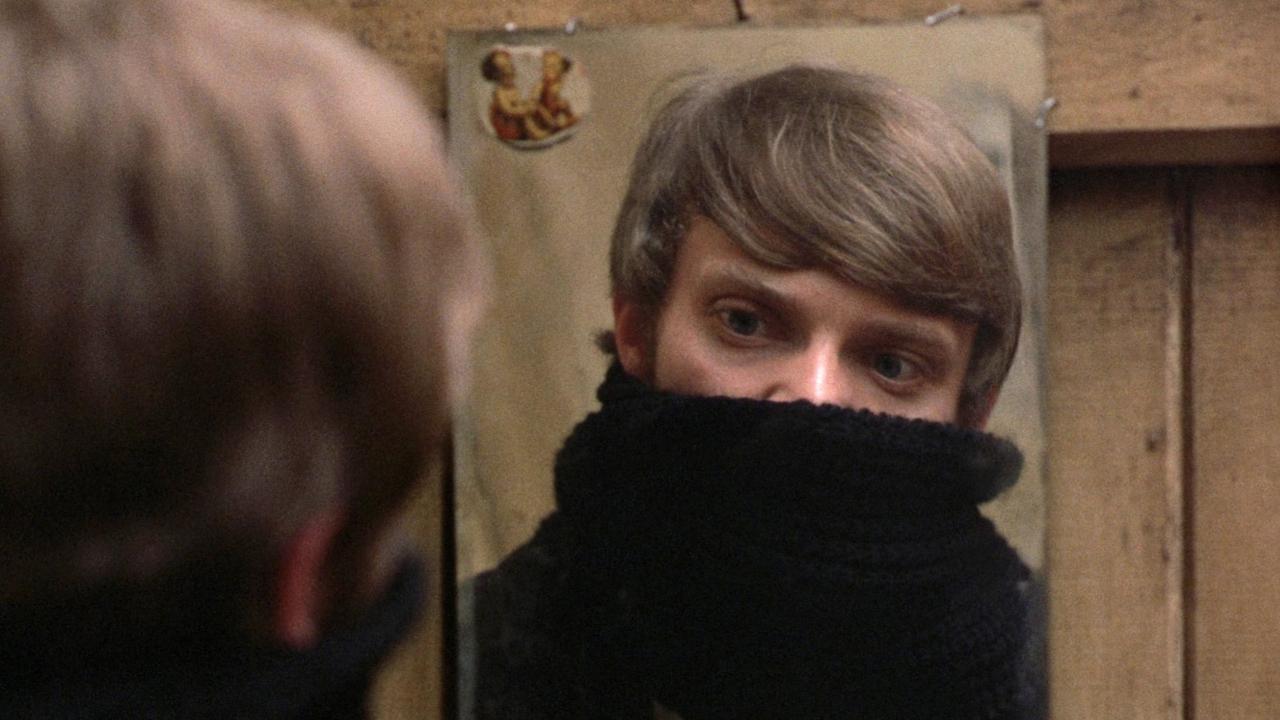
if....
Lindsay Anderson's satire of a British boarding school, mixing documentary texture with surreal bursts of violence and fantasy.
Chain
A chain tracing the BFI London Film Festival's role as a bridge between British cinema and world cinema, from the Czech New Wave and Free Cinema to Andrea Arnold and Joanna Hogg.
The 2026 BFI London Film Festival lands in a year when the festival marks seven decades of programming, and its Highlights package is a reminder of what a festival can do that streaming cannot: place a Czech New Wave miniature beside a British documentary, an African debut beside a Hollywood premiere, and let the collisions do the work. The LFF has never been a market or a prize circus so much as a conversation, and the 2026 highlights are built to keep that conversation going, with restored classics and new voices sharing the same slots.
What follows is a chain that follows the festival's own logic rather than a tidy canon. It begins with the Czech New Wave and Free Cinema, the two movements that gave the LFF its early identity as a place where British social realism could meet European formal experiment. From there it moves through the festival's long championing of African and Asian auteurs, and finally to the contemporary British voices, Andrea Arnold and Joanna Hogg among them, whose work the LFF has helped to define.
Watch the chain in order and a pattern emerges: the LFF has always been less a showcase than a filter, deciding which foreign films become part of British film culture and which British films get the confidence to travel. The titles here are not a greatest-hits list; they are the ones that show the filter working.
Lindsay Anderson's satire of a British boarding school, mixing documentary texture with surreal bursts of violence and fantasy.
if.... → The Firemen's Ball
The Link
Where if.... used surrealism to attack British institutions, Forman used deadpan observational comedy to do the same to Czech ones. The LFF's early programming paired the two movements constantly, and watching them together shows how much British filmmakers learned from the Czech New Wave's tone of bureaucratic absurdity.
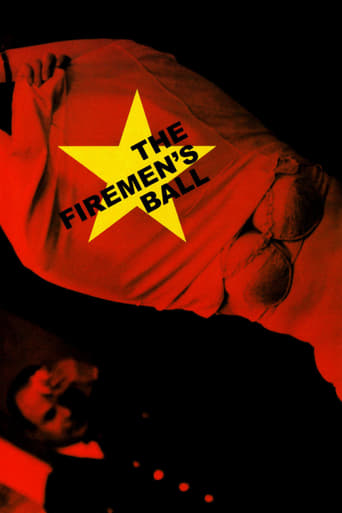
Milos Forman's Czech New Wave comedy about a small-town firemen's ball that collapses into petty corruption and farce.
The Firemen's Ball → Daisies
The Link
Forman's film stays within social realism's frame; Chytilova tears the frame apart with collage, colour and direct address. The LFF's willingness to programme Daisies alongside British social realism is part of how British audiences first encountered formal experiment from the East.

Vera Chytilova's anarchic Czech New Wave film follows two young women who decide the world has gone bad and behave accordingly.
Daisies → Sambizanga
The Link
From the Czech New Wave's collapse of official language, the chain moves to the LFF's long commitment to African cinema. Maldoror's film, made with the MPLA and shot in Congo, was the kind of work the festival championed when few others would, and its patient, observational gaze rewrites the political drama from a woman's perspective.
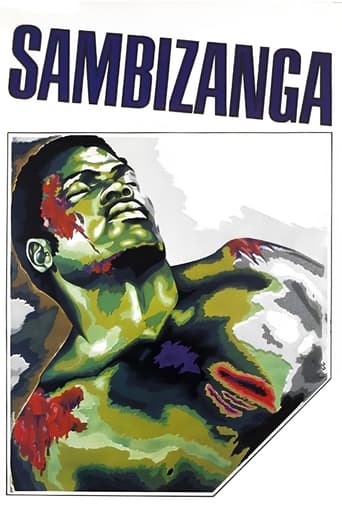
Sarah Maldoror's Angolan independence drama, following a woman's search for her arrested husband through a colonised city.
Sambizanga → Yeelen
The Link
Maldoror's realism gives way to Cisse's mythic register, but both were LFF discoveries that reshaped what British audiences expected from African cinema. Yeelen's wide-screen compositions and ritual logic made it a festival landmark, and its presence in the chain shows how the LFF moved African film from the margins to the centre of its programme.

Souleymane Cisse's Malian fable of a young man fleeing his sorcerer father, steeped in Bambara cosmology and landscape.
Yeelen → A Brighter Summer Day
The Link
The LFF's Asian programming in the 1990s was as consequential as its African work, and Yang's film is the clearest example: a four-hour epic that British distributors would not touch until the festival made it unavoidable. Its patient accumulation of detail echoes Cisse's mythic scale while shifting the register to adolescent confusion and political repression.
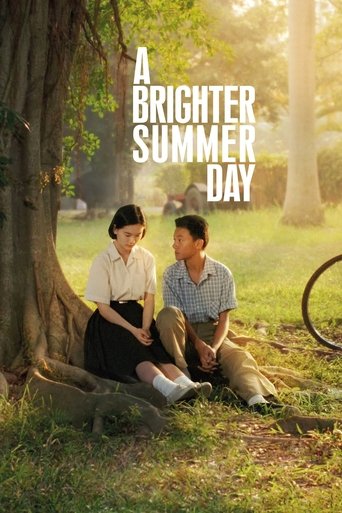
Edward Yang's sprawling Taiwanese coming-of-age epic, set among mainlander families in 1960s Taipei.
A Brighter Summer Day → Fish Tank
The Link
Yang's adolescents are trapped by history; Arnold's are trapped by class and housing, and the LFF's championing of her work is part of how British social realism was renewed. Fish Tank's handheld intimacy and non-professional lead performance owe something to the Free Cinema tradition that opened this chain, closing the loop between the festival's past and its present.

Andrea Arnold's Essex-set drama about a teenage girl whose isolation is interrupted by her mother's new boyfriend.
Related Chains
Explore
Log in to leave a comment.
No comments yet.