Log in Sign up

The Verse Will Outlive the Stage

Eight films that take Shakespeare's words into new weather, new cities and new blood, proving the plays were never meant to stay indoors.

· ·

Baz Luhrmann's Romeo + Juliet arrived in 1996 like a firework in a chapel. Verona Beach is a sun-bleached sprawl of feuding gangsters, Hawaiian shirts and pistols stamped 'Sword', and yet the verse is intact, spoken at speed by Leonardo DiCaprio and Claire Danes as if the words were invented that morning. Luhrmann's gamble was not to modernise the language but to modernise everything around it, letting Shakespeare's lines collide with MTV editing, a Radiohead needle-drop and a Catholic kitsch that turns the lovers' tragedy into something sweaty and immediate. Thirty years on, the film still feels like a dare, and it sets the terms for this chain: what happens when a director trusts the text enough to give it a completely new visual grammar?

The films gathered here answer that question in wildly different registers. Orson Welles shot Macbeth in 1948 on a shoestring, using fog, papier-mache and a microphone to make Scotland feel like a bad dream; Akira Kurosawa took King Lear to the volcanic plains of Mount Aso for Ran and let colour and weather do the work of the soliloquies. Grigori Kozintsev's King Lear, meanwhile, trades spectacle for stone, sky and a lead performance of terrible stillness. None of these filmmakers treat the plays as museum pieces. Each one asks what the verse needs from the camera, and each one finds a different answer.

What unites them is audacity of a particular kind: not the audacity of ignoring the text, but of relocating it. A Scottish heath becomes a Californian beach; a Japanese warlord becomes a Lear; a Danish prince becomes a student in a modern city. The through-line is location and light, the expressionist instinct to let a place argue alongside the poetry. Watch these in sequence and the plays stop feeling like homework. They start to feel like raw material for the most ambitious filmmakers alive, and the verse comes out stronger for the rough handling.

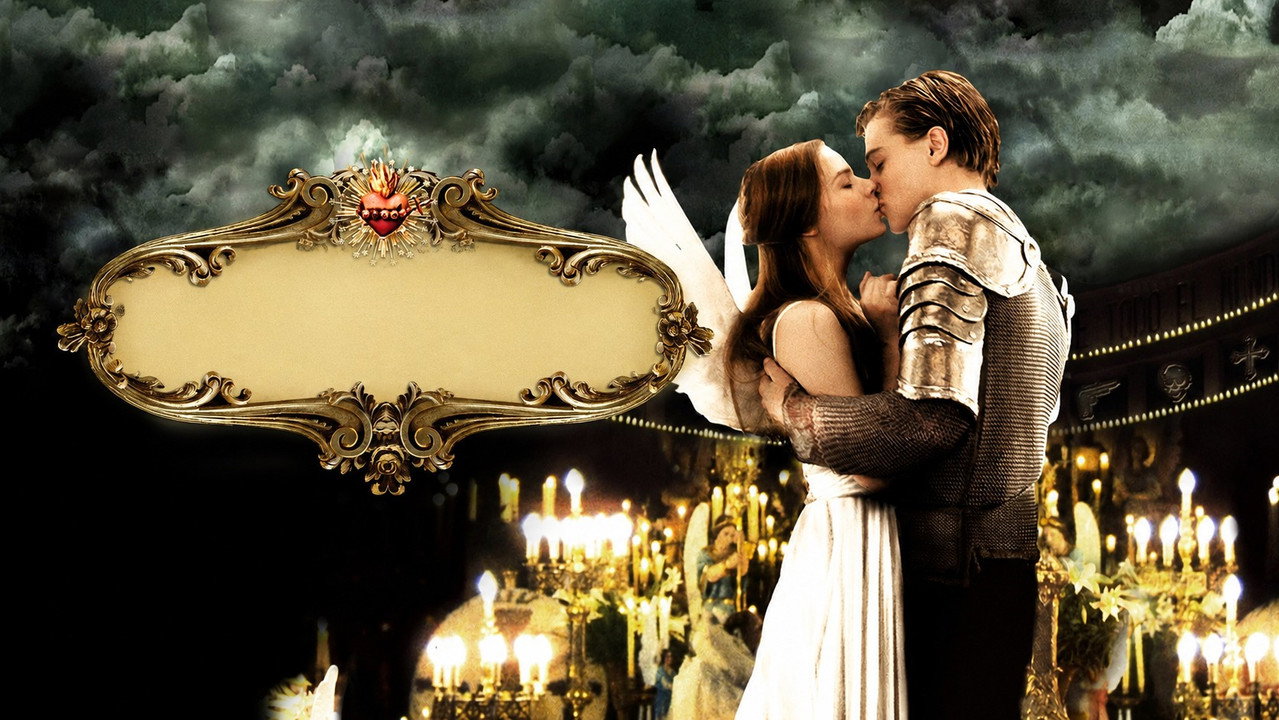
Romeo + Juliet
1

Romeo + Juliet

1996 · dir. Baz Luhrmann · 120 min

Luhrmann's Verona Beach is a fever dream of gang violence, neon Catholicism and tabloid television, with Shakespeare's text delivered at full pelt by a cast clearly having the time of their lives.

Romeo + Juliet → Macbeth

The Link

Where Luhrmann used colour and pop culture to make the verse new, Welles uses scarcity: the same instinct to rebuild Shakespeare's world from scratch, but with cardboard, shadow and a microphone instead of a beach and a soundtrack.

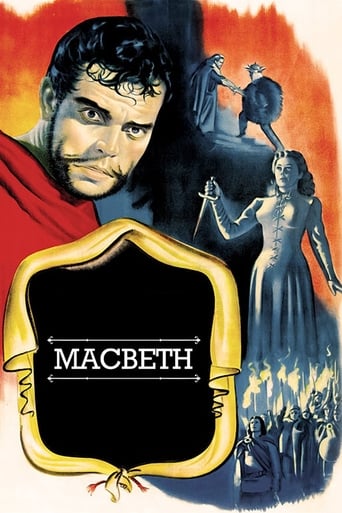
Macbeth
2

Macbeth

1948 · dir. Orson Welles · 107 min

Orson Welles shot this in twenty-three days on a Republic Pictures soundstage, turning poverty into expressionist fog, looming sets and a whispered, conspiratorial soundtrack.

Macbeth → Throne of Blood

The Link

Welles made Macbeth a claustrophobic nightmare of fog and ambition; Kurosawa takes the same play outdoors and lets weather, horses and Noh theatre stylisation carry the dread, proving the text survives translation into another culture entirely.

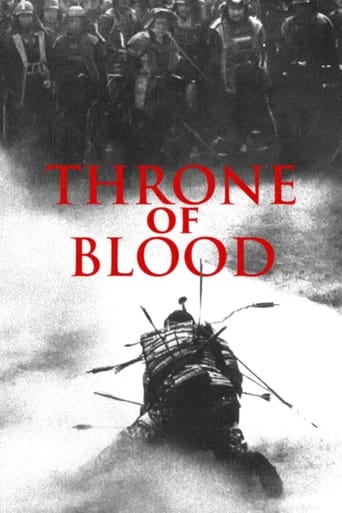
Throne of Blood
3

Throne of Blood

1957 · dir. Akira Kurosawa · 108 min

Kurosawa relocates Macbeth to feudal Japan, replacing the witches with a single eerie spirit and the climax with a hail of arrows that remains one of cinema's great endings.

Throne of Blood → Ran

The Link

Having already bent Macbeth to his purposes, Kurosawa returns to Shakespeare with a Lear refracted through Japanese history, and the result is the most visually majestic film in this chain: proof that a director's late style can make an old play feel newly enormous.

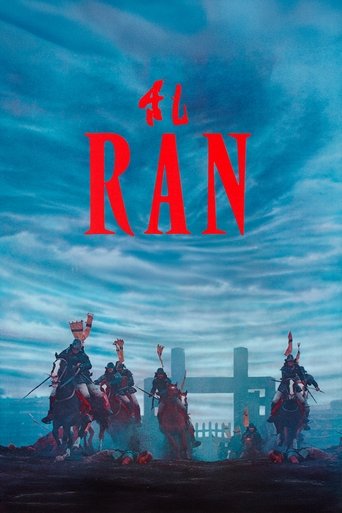
Ran
4

Ran

1985 · dir. Akira Kurosawa · 160 min

Kurosawa's late masterpiece reworks King Lear as the story of a warlord who divides his kingdom among ungrateful sons, shot in painterly colour across the volcanic slopes of Mount Aso.

Ran → King Lear

The Link

Kurosawa gave Lear scale and spectacle; Kozintsev answers with austerity, shooting on location in Estonia and Estonia's ruins and letting silence and landscape do what armies did in Ran. Two opposite solutions to the same problem of making a king's collapse visible.

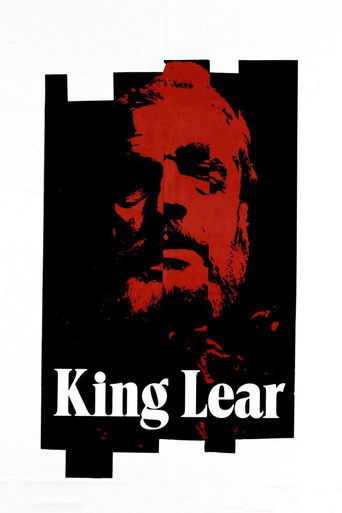
King Lear
5

King Lear

1970 · dir. Peter Brook · 137 min

Grigori Kozintsev's Soviet adaptation strips the play to its bones, with Yuri Yarvet's frail, haunted Lear wandering a landscape of stone, bare trees and indifferent sky.

King Lear → Hamlet

The Link

The same director's Lear shows what Kozintsev does with age and ruin; his Hamlet shows the method applied to youth and surveillance, and the two together reveal a coherent visual grammar for Shakespeare built on stone, sea and oppressive architecture.

Hamlet
6

Hamlet

1964 · dir. John Gielgud · 191 min

Kozintsev's black-and-white Hamlet turns Elsinore into a cold, windswept fortress, with Innokenti Smoktunovsky's prince a figure of nervy intelligence rather than romantic melancholy.

Hamlet → Romeo and Juliet

The Link

Kozintsev's austere Soviet Shakespeare and Zeffirelli's sunlit Italian romance could hardly be more different in temperament, yet both insist on real places over painted backdrops. Zeffirelli's Verona is the missing link between the location-shooting tradition and Luhrmann's Verona Beach.

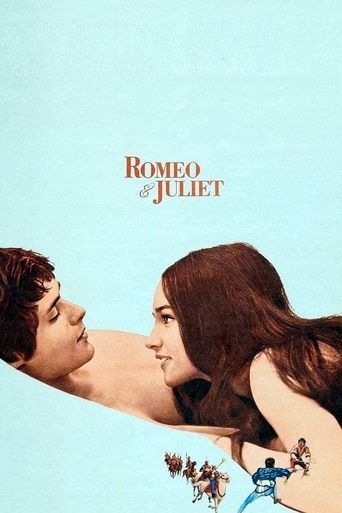
Romeo and Juliet
7

Romeo and Juliet

1968 · dir. Franco Zeffirelli · 138 min

Franco Zeffirelli's version cast actual teenagers in the leads and shot in real Italian hill towns, trading theatricality for heat, dust and the physical awkwardness of first love.

Romeo and Juliet → Titus

The Link

Zeffirelli's naturalism and Luhrmann's pop pastiche meet in Taymor's theatrical collage, which pushes the chain's logic to its limit: if the verse can survive a beach, a heath and a volcanic plain, it can survive a film that refuses to settle on any single era at all.

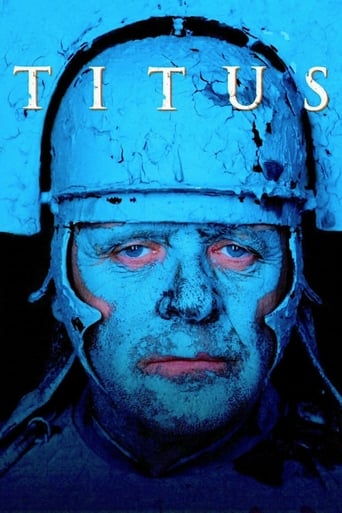
Titus
8

Titus

1999 · dir. Julie Taymor · 162 min

Julie Taymor's adaptation of Titus Andronicus mixes Roman, fascist and contemporary imagery into a deliberately anachronistic collage, with Anthony Hopkins and Jessica Lange anchoring the carnage.

Where this chain leads

Log in to leave a comment.

No comments yet.