Log in Sign up

The Bush Doesn't Care If You Understand It

Crocodile Dundee sold the Outback as a punchline. The films that follow take the same landscape and let it bite back.

· ·

Peter Faiman's Crocodile Dundee (1986) is the film that taught the world to laugh at the Australian bush. Paul Hogan's Mick Dundee is a bushman rendered harmless, a tourist attraction with a grin, and the joke runs both ways: the wilderness is a novelty act, New York is the real jungle, and everything resolves with a knife and a wink. It is enormously likeable, and it is also a magic trick. The landscape is scenery, the danger is choreography, and nobody is changed by the ground they stand on.

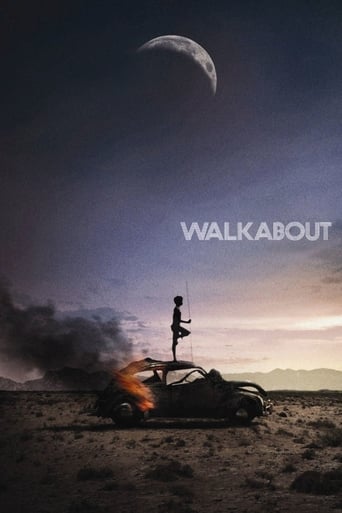
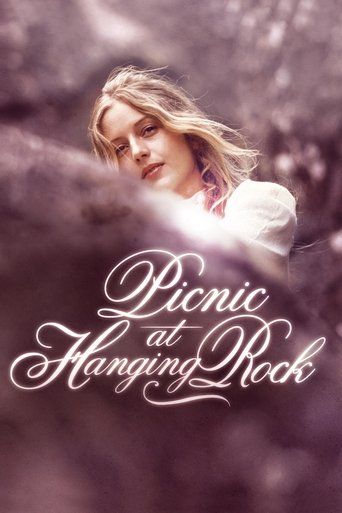
The films gathered here take that same ground and refuse to domesticate it. In this tradition the bush is not a setting but a force with its own intentions, indifferent to the people who cross it and quietly rearranging their minds. Nicolas Roeg's Walkabout (1971) sets the template: two city children are dropped into the desert and the country simply absorbs them. Peter Weir's Picnic at Hanging Rock (1975) makes a rock formation the most frightening character in Australian cinema, and his The Last Wave (1977) turns a suburban solicitor's dreams into weather. Ted Kotcheff's Wake in Fright (1971) swaps the desert for a mining town and finds the same appetite, this time in beer and sweat. Warwick Thornton's Samson and Delilah (2009) brings the tradition into the present, where the remoteness is political as well as spiritual.

Starting with Dundee is deliberate. You need the tourist-brochure version in your mouth before the other films can sour it. From there the chain moves backwards and forwards through the 1970s and then forward again, tracing a single idea: that Australian cinema keeps returning to the bush because the bush keeps returning something to the people who enter it. Sometimes that is knowledge, sometimes madness, sometimes an entire town's worth of appetite. The through-line is not a genre or a decade. It is a suspicion that the country is conscious, and that the polite coastal Australia of offices and lawns is the fragile thing, not the wilderness.

Watch these together and the comedy in Crocodile Dundee starts to look like a defence mechanism. The knife, the grin, the unflappable bushman: all of it is a way of making a very old anxiety safe for a Saturday matinee. The films around it are what happens when the anxiety is allowed to speak.

Crocodile Dundee
1

Crocodile Dundee

1986 · dir. Peter Faiman · 97 min

Paul Hogan's Outback showman charms New York and the world, turning the bush into a punchline and a postcard. It is the friendliest possible introduction to a landscape that other Australian films treat as a living thing.

Crocodile Dundee → Walkabout

The Link

Dundee's bush is a stage for jokes; Roeg's is a presence that swallows the children whole. The shift from comedy to trance is the whole point of the chain, and Roeg makes it in the first ten minutes.

Walkabout
2

Walkabout

1971 · dir. Nicolas Roeg · 95 min

Nicolas Roeg strands two city children in the desert with an Aboriginal boy, and the country does the rest. John Barry's score and Roeg's fractured editing make the landscape feel like a mind you cannot read.

Walkabout → Picnic at Hanging Rock

The Link

Roeg's desert absorbs outsiders; Weir's rock does something colder, taking girls who belong to a colonial order and leaving no trace. Both films treat landscape as an intelligence, but Weir adds the sting of Empire and the horror of the unexplained.

Picnic at Hanging Rock
3

Picnic at Hanging Rock

1975 · dir. Peter Weir · 107 min

Peter Weir's schoolgirls vanish into a rock formation on St Valentine's Day, and the film refuses to explain. The pan flute, the white dresses, the slow dissolve into stone: it is the most beautiful film ever made about not getting an answer.

Picnic at Hanging Rock → The Last Wave

The Link

After Hanging Rock's disappearance, Weir moves the same dread into the city and gives it a legal and spiritual argument. If the rock can take people, the rain can take a whole civilisation, and the film's apocalyptic weather is the bush's logic arriving at the courthouse door.

The Last Wave
4

The Last Wave

1977 · dir. Peter Weir · 106 min

A Sydney lawyer defends Aboriginal men in a murder case and starts dreaming of water where there should be none. Weir turns the city itself into a haunted site, with rain that feels like a warning.

The Last Wave → Wake in Fright

The Link

Weir's menace is metaphysical; Kotcheff's is human, sweaty and immediate. The same country that hides secrets in rock also offers a bloke another schooner, and the film shows how quickly the landscape's indifference becomes a licence to fall apart.

Wake in Fright
5

Wake in Fright

1971 · dir. Ted Kotcheff · 109 min

A schoolteacher stranded in a mining town drinks himself into the ground, and Ted Kotcheff films the heat and the beer with documentary relish. Donald Pleasence's grinning doctor is one of cinema's great seducers.

Wake in Fright → The Chant of Jimmie Blacksmith

The Link

Wake in Fright shows a white man destroyed by the bush's hospitality; Schepisi shows an Aboriginal man destroyed by the colony's. Placing them side by side makes the racial machinery of the landscape explicit, and sets up the long journey to Samson and Delilah.

The Chant of Jimmie Blacksmith
6

The Chant of Jimmie Blacksmith

1978 · dir. Fred Schepisi · 113 min

Fred Schepisi's adaptation of Thomas Keneally's novel follows a young Aboriginal man educated by whites and then betrayed by every one of them. The violence, when it comes, is horrifying and entirely earned.

The Chant of Jimmie Blacksmith → The Tracker

The Link

Schepisi's tragedy is historical and operatic; de Heer's is a fable with songs and paintings, and it puts Gulpilil, the boy from Walkabout, at the centre as an adult. The chain's colonial thread tightens here before the final film cuts it.

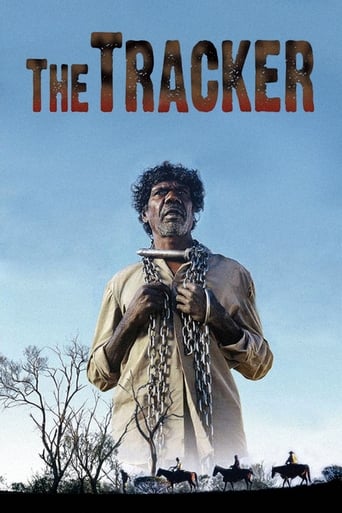
The Tracker
7

The Tracker

2002 · dir. Rolf de Heer · 90 min

Rolf de Heer sends four men into the desert to find a fugitive, with David Gulpilil as the tracker who knows exactly what is happening. Peter Coad's paintings stand in for the violence the camera will not show.

The Tracker → Samson and Delilah

The Link

After The Tracker's fable, Thornton strips the desert of myth and shows what remains: two kids, a broken car and a horizon that offers nothing. The chain ends where it began, with the bush as the only character that was there before anyone arrived.

Samson and Delilah
8

Samson and Delilah

2009 · dir. Warwick Thornton · 101 min

Warwick Thornton's camera sits low and still while two teenagers in a remote community sniff petrol, fall in love and walk out of town. Almost wordless, it is one of the great films about young people surviving a place that has been taken from them.

Where this chain leads

Genres

  • Comedy
  • Adventure
  • Drama
  • Mystery
  • Fantasy
  • Thriller
  • Crime
  • History

Log in to leave a comment.

No comments yet.