Log in Sign up

What We Make Monsters Of

A creature feature is rarely about the creature. From Na Hong-jin's Hope to a Scottish island burning its own kindness, this is a chain about communities that decide what to be afraid of.

· ·

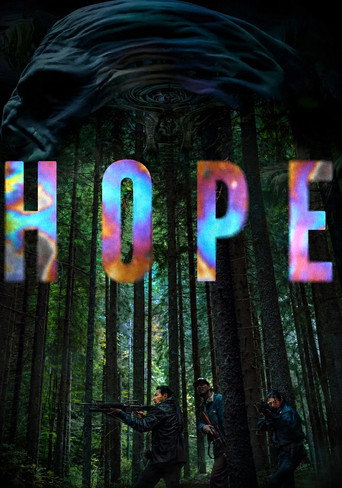
Na Hong-jin has spent three films teaching us that the worst thing in the frame is usually a person. Hope (2026) arrives with a premise that sounds like a B-movie: a creature is savaging the remote South Korean village of Hope Harbor, and police chief Bum-seok and officer Sung-ae are sent to deal with it. What Na actually delivers is a study in perception, in the speed at which a small community converts uncertainty into blame. The creature is real, or seems to be. So is the fear, and the fear is what does the killing. The film's escalation from local ignorance to human conflict to something genuinely cosmic is the shape of the whole genre when it is done properly: the monster as a mirror that the village refuses to look into.

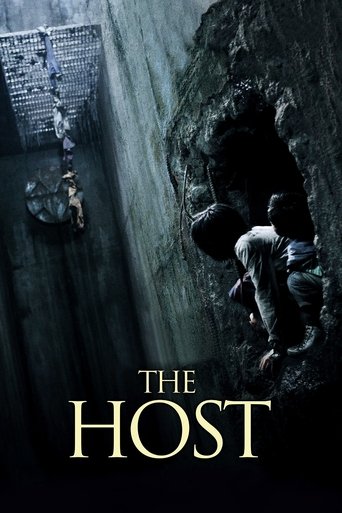
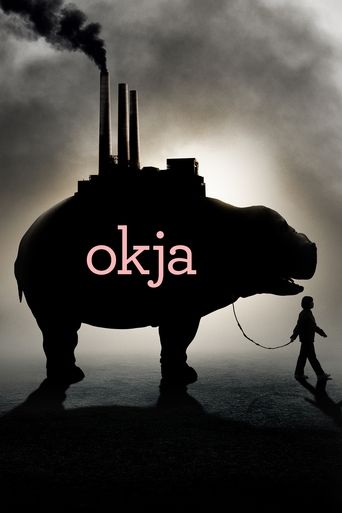
The chain below traces that idea across five decades and four countries, and it begins with the two Korean films that share Na's preoccupation with animals as collateral damage. Bong Joon-ho's The Host (2006) is the obvious ancestor: a mutated amphibian hauled out of the Han, a family that bickers its way towards heroism, and a government that lies about the cause. Twenty years on, its satire has only sharpened. Okja (2017) takes the same instinct and turns it on the meat industry, where the super-pig is lovable and the corporation is the predator. Both films understand that a creature feature is a negotiation between what we can see and what we would rather not.

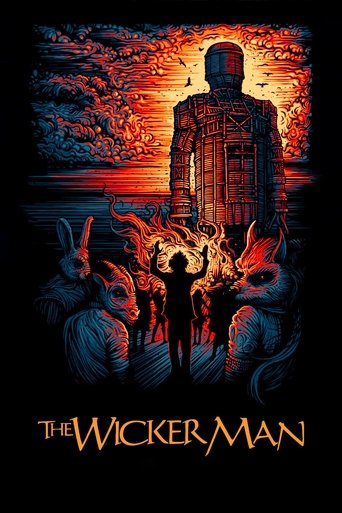
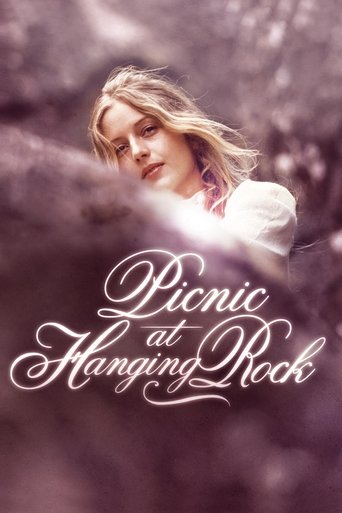
Then the chain leaves Korea and gets older, stranger and more British. Robin Hardy's The Wicker Man (1973) is the pivot: a devout policeman arrives on a private island to investigate a missing girl, and the islanders are not hiding a crime so much as performing a religion. Every beat of Sergeant Howie's investigation is a misunderstanding, and every misunderstanding is a step towards the wicker. Peter Weir's Picnic at Hanging Rock (1975) removes the monster entirely and keeps the dread, as a party of schoolgirls vanishes into an Australian rock formation and the surrounding colonial community quietly cannibalises itself trying to explain it.

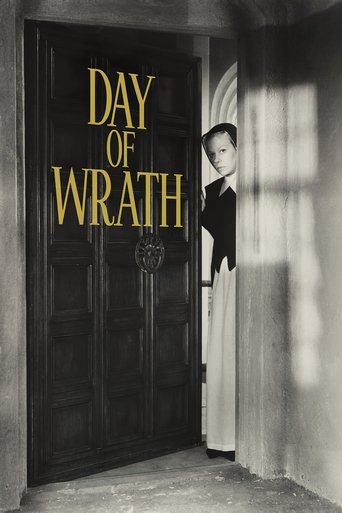
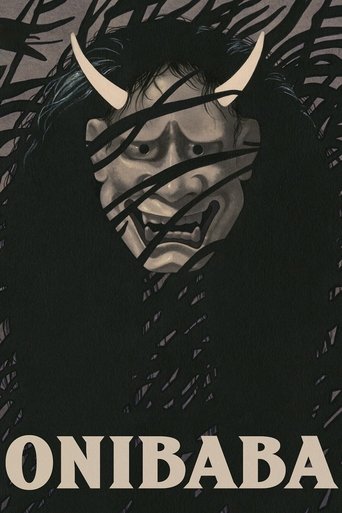
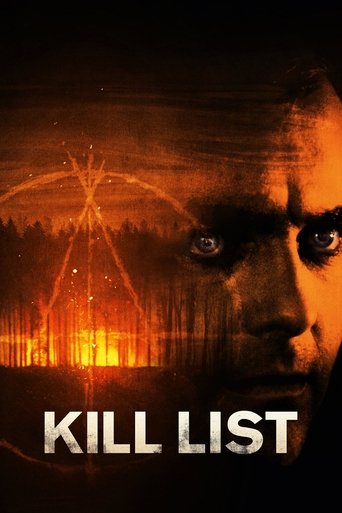
Three less-travelled titles complete the picture, and they are the ones I would press into your hands. Carl Theodor Dreyer's Day of Wrath (1943) is folk horror before the term existed: a Danish village in the age of witch trials, where an old woman is burned for a crime that may be nothing more than a neighbour's malice, and the paranoia metastasises into the pastor's own household. It is shot with a stillness that makes the mob feel inevitable. Kaneto Shindo's Onibaba (1964) narrows the community to two women in a field of susuki grass, murdering lost samurai for their armour, until a demon mask becomes a punishment for human appetite. And Ben Wheatley's Kill List (2011) drags the whole tradition into the English suburbs, where a hitman's domestic squabbles and a cult's ritual collide in a final act that reframes every mundane argument you have watched for an hour.

Order matters here. We start with the creature made by human carelessness, move to the creature made by human industry, then cross into communities that have stopped needing a creature at all. By the time we reach Hardy and Weir, the monster is a rumour the village tells itself. By Dreyer and Shindo, it is a mask. By Wheatley, it is the family. Watched in sequence, the chain makes an argument that Hope states outright: ignorance plants the seed, conflict waters it, and the tragedy that follows is cosmic only because we made it so small and local first.

None of these films are really about what is in the woods, the water or the grass. They are about what a community does with the space between not knowing and needing an answer. That is the through-line, and it is why a 2026 Korean police procedural about a village creature belongs on the same shelf as a 1973 Scottish musical about a virgin sacrifice. The genre has always known this. We are just catching up.


Hope
1

Hope

2026 · dir. Na Hong-jin · 157 min

Na Hong-jin's village creature feature begins as a police investigation and becomes something far larger and stranger, with Bum-seok and Sung-ae caught between a real threat and a community's eagerness to misread it.

Hope The Host

The Link

The clearest ancestor to Hope: a Korean village-ish community, an amphibious threat, and an official response that is more dangerous than the animal. Where Na's film escalates into the cosmic, Bong keeps the scale domestic and the satire pointed.

The Host
2

The Host

2006 · dir. Bong Joon Ho · 120 min

Bong Joon-ho's Han River monster film is a family comedy, a government satire and a grief story in the same breath, anchored by Song Kang-ho's hangdog father and a genuinely great creature design.

The Host Okja

The Link

The Host showed a creature born of human negligence; Okja shows one bred for human profit, and the misunderstanding shifts from the monster to the people who insist it is only meat. It widens the chain from village paranoia to global industry.

Okja
3

Okja

2017 · dir. Bong Joon Ho · 120 min

Bong again, this time with a super-pig, a corporate villain played with relish by Tilda Swinton, and a young girl's determination that the creature is a person. The tonal swing from slapstick to horror is the point.

Okja The Wicker Man

The Link

Here the creature disappears entirely and the community becomes the threat, which is the turn the chain has been building towards. Howie's every misreading of Summerisle's customs is a step towards the wicker man, exactly as Hope's village converts ignorance into disaster.

The Wicker Man
4

The Wicker Man

1973 · dir. Robin Hardy · 93 min

Robin Hardy's island musical of pagan terror, with Edward Woodward's Sergeant Howie as the most catastrophically bad investigator in British cinema and Christopher Lee's Lord Summerisle as his gracious host.

The Wicker Man Picnic at Hanging Rock

The Link

Hardy gives us a community with a terrible answer; Weir gives us one with no answer at all, and the dread is worse. The chain moves from a monster we can name to a disappearance we cannot, which is the direction Hope's final act is already pointing.

Picnic at Hanging Rock
5

Picnic at Hanging Rock

1975 · dir. Peter Weir · 107 min

Peter Weir's adaptation of Joan Lindsay's novel follows schoolgirls who vanish into an Australian rock formation on St Valentine's Day, 1900, and a colonial community that never recovers from the absence of an explanation.

Picnic at Hanging Rock Day of Wrath

The Link

Weir withholds the monster; Dreyer shows that the monster was the accusation all along. Made under Nazi occupation, it is folk horror as a study of how a community needs a victim, and it deepens the chain's argument that fear is the engine, not the creature.

Day of Wrath
6

Day of Wrath

1943 · dir. Carl Theodor Dreyer · 97 min

Carl Theodor Dreyer's Danish witch-trial drama, in which an old woman's persecution curdles into the paranoia of the pastor's household. The pacing is glacial and the effect is devastating.

Day of Wrath Onibaba

The Link

Dreyer's village burns a woman for imagined evil; Shindo's field reduces the community to two people and lets appetite do the rest. The mask is the chain's clearest image of fear made physical, and the ending is as bleak as anything in Hope.

Onibaba
7

Onibaba

1964 · dir. Kaneto Shindō · 105 min

Kaneto Shindo's medieval Japanese fable of two women surviving in a field of tall grass by murdering samurai, until a demon mask and a case of mistaken identity turn the horror inward.

Onibaba Kill List

The Link

After Shindo's mask, Wheatley brings the tradition home to a suburban house and a failing marriage, where the cult is the family and the family is the cult. It closes the chain by proving that the isolated community of folk horror is now just the people you live with.

Kill List
8

Kill List

2011 · dir. Ben Wheatley · 95 min

Ben Wheatley's British hitman film starts as a kitchen-sink marriage drama, detours into a job gone wrong, and ends in a cult ritual that recontextualises every argument you have watched.

Where this chain leads

Genres

  • Action
  • Science Fiction
  • Mystery
  • Horror
  • Drama
  • Adventure
  • History
  • Crime

Log in to leave a comment.

No comments yet.