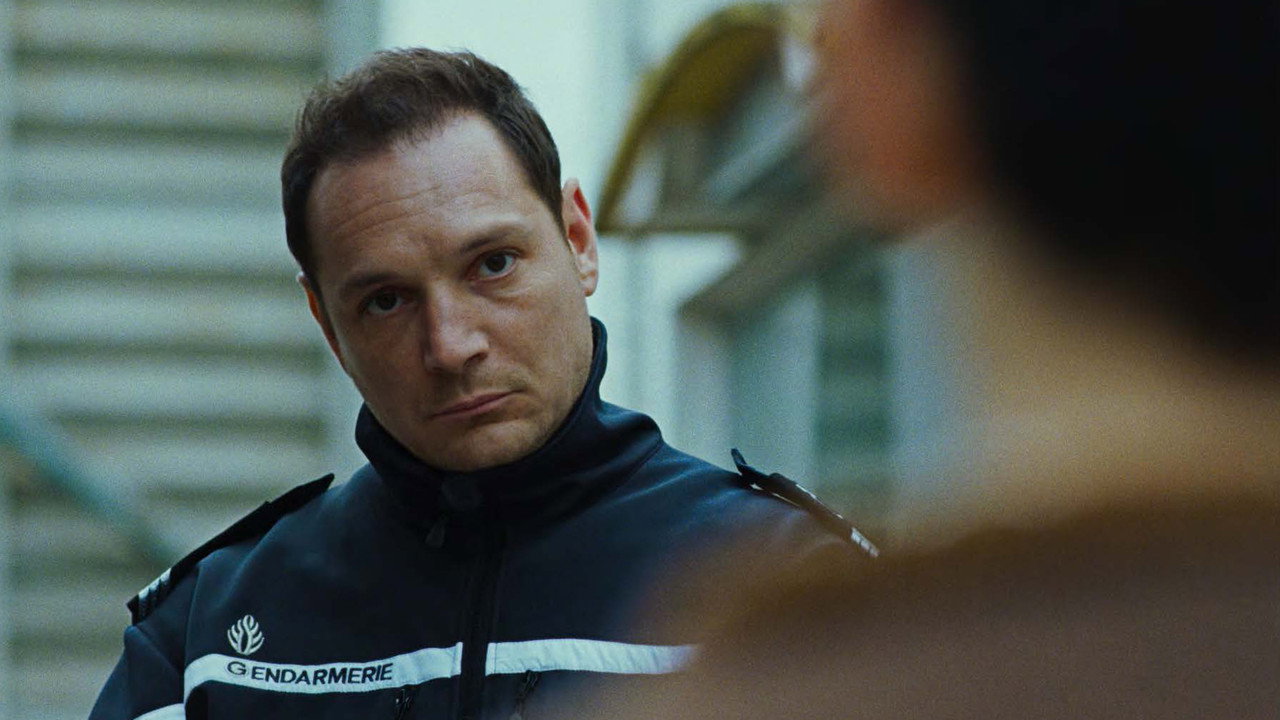
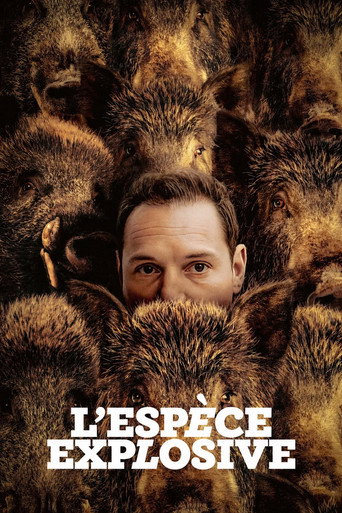
In the French countryside of Too Many Beasts (2026), wild boar tear through crops while the gentlemen's hunting club quietly feeds the game it will later shoot. The animals are the pretext; the arrangement is about who may cross whose field, who may take from it, and who pays when the ledger is finally called in. Brun, a bankrupt farmer, is pushed past endurance by the club's president and shoots him, then vanishes. A year later the volatile officer Fulda arrives to unpick a disappearance that everyone in the district has already decided to misremember. The boar keep moving through the maize, indifferent witnesses to a class war dressed as vermin control.
That is the thread this chain pulls. Hunting on screen is rarely about killing an animal; it is a ceremony of property, performed so that everyone present understands the hierarchy. The eight films gathered here move from the French fields outward, through the English coalfields, the Spanish scrub, a chateau weekend and the mud of a gold-rush town, and each one stages the chase as an audit of power. The prey is often the least important figure in the frame. What matters is who holds the gun, who owns the land, and who has been quietly designated as fair game.
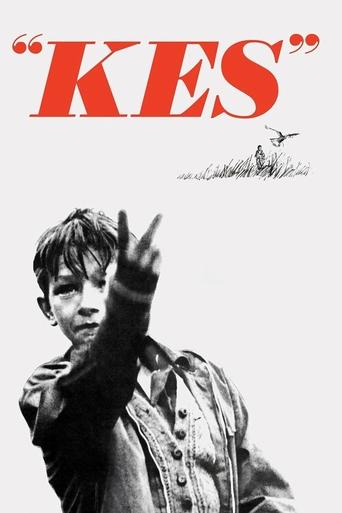
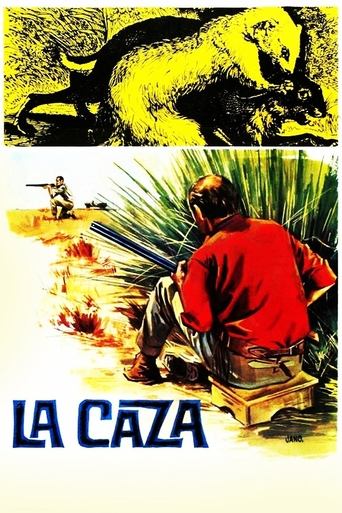
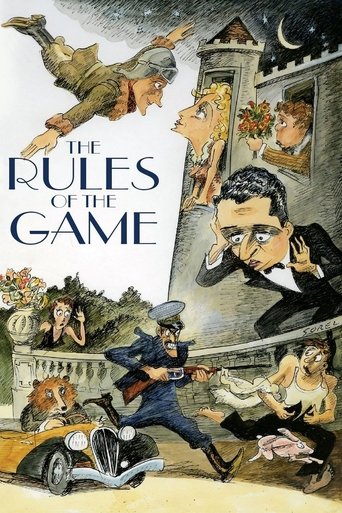
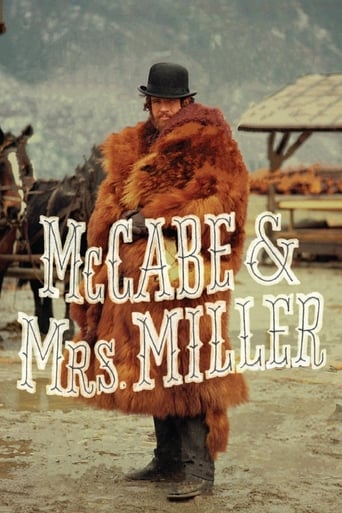
Ken Loach's Kes (1969) strips the ritual down to a boy, a stolen kestrel and a mining village that has already decided his future. Carlos Saura's La caza (1966) turns a rabbit shoot into a slow unmasking of Franco's victors, three men sweating in the heat with rifles and old grievances. Jean Renoir's La Regle du jeu (1939) moves the slaughter to a country estate, where a weekend of pheasant beating and bedroom farce ends with a death that the guests politely absorb as an accident. Robert Altman's McCabe & Mrs Miller (1971) relocates the whole business to the Pacific Northwest, where fur, snow and hired killers enforce a corporate claim on a town that thought it was building itself.
Between and around those landmarks sit the lesser-known links: a British documentary about a hunt saboteur, a Portuguese parable of a landowner's last shoot, and a slow, strange film about a poacher who becomes the thing he once tracked. Watch them in order and the animal's eye becomes the only honest perspective in the room. The boar, the kestrel, the rabbit, the pheasant: each one sees the human arrangement for what it is, and none of them is consulted.