Soft Beds, Hard Battles
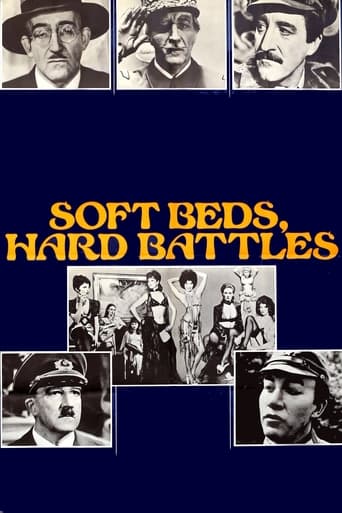
A wartime farce with Peter Sellers in multiple roles, set in a French brothel used by the Resistance. Its playful take on identity and performance sets the stage for the chain's exploration of masks and rituals.
Chain
From a wartime farce to sunlit cults and lighthouse madness, a journey through rural dread and the rituals that bind us.
Soft Beds, Hard Battles (1974) is an odd place to start a folk horror chain: a wartime farce in which Peter Sellers plays a dozen roles, from a bumbling inspector to a camp commandant, all within a French brothel that doubles as a Resistance hideout. Yet beneath the slapstick lies a sly thesis about performance and place. The film's chameleon star embodies the very idea that identity is a costume, a mask worn to survive hostile territory. That notion of disguise, of playing a role to appease a dangerous authority, is the quiet seed of everything that follows in this chain.
Folk horror has always been about the masks we wear in the countryside, where the old gods still demand their due. The Wicker Man (1973) turns Sellers's farce into tragedy: a policeman's rigid certainty meets a community that has perfected the art of playing along. The Blood on Satan's Claw (1971) digs into the soil itself, where a buried demon infects a village's youth, and the pastoral idyll curdles into something feral. These films share a DNA with Soft Beds, Hard Battles: the rural setting as a stage, the locals as actors in a script older than any law.
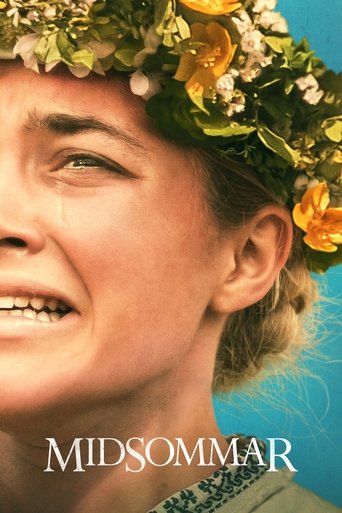
As the chain moves forward, the masks become more elaborate. Midsommar (2019) transplants the ritual to a sun-drenched Swedish commune, where grief is weaponised and the outsider's vulnerability is the sacrifice. The Lighthouse (2019) strips away the community entirely, leaving two men on a rock, their sanity flayed by isolation and myth. Each film refines the core anxiety: the fear that beneath our civilised veneer, we are all performers in a ceremony we do not understand, and the audience is never kind.
What unites this chain is a refusal to let the countryside be a refuge. It is a testing ground, a place where the old ways surface and the modern self dissolves. Soft Beds, Hard Battles sets the tone with a wink, but the laughter curdles as the chain deepens. By the end, the joke is on us: we are all Sellers, trying on roles to survive, and the harvest is coming.
A wartime farce with Peter Sellers in multiple roles, set in a French brothel used by the Resistance. Its playful take on identity and performance sets the stage for the chain's exploration of masks and rituals.
Soft Beds, Hard Battles → The Wicker Man
The Link
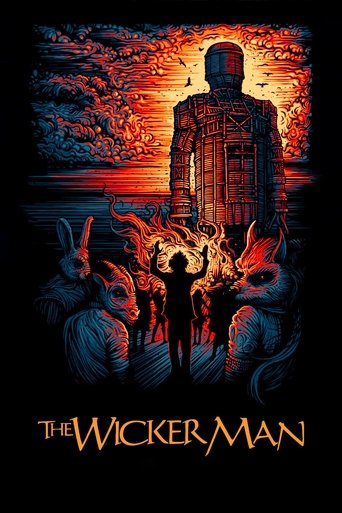
Where Soft Beds, Hard Battles plays identity for laughs, The Wicker Man makes it deadly: the islanders' performance of hospitality hides a sacrificial plot, and the outsider's certainty becomes his doom.
A policeman's investigation on a remote Scottish island uncovers a pagan community with a dark secret. The film's folk horror template turns rural isolation into a stage for ritual sacrifice.
The Wicker Man → Blood on Satan's Claw
The Link
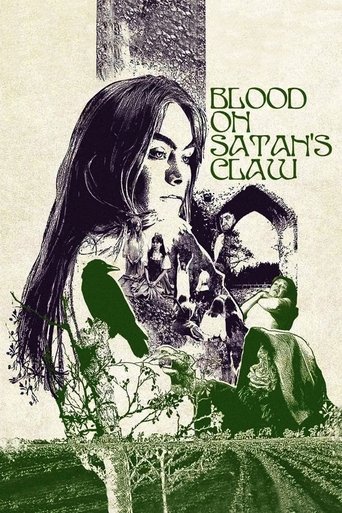
The Wicker Man's pagan community is organised and deliberate; here the corruption is organic, spreading through the village like a blight. Both show rural life as a thin crust over older, darker forces.
In a 17th-century English village, a demonic presence corrupts the youth, leading to witchcraft and murder. A foundational folk horror that roots evil in the land itself.
Blood on Satan's Claw → Wake in Fright
The Link
The Blood on Satan's Claw's English fields hide a demon; Wake in Fright's outback hides nothing, yet the town's rituals of mateship and drinking are just as coercive, pushing the outsider to the brink.
A teacher stranded in an outback town descends into a nightmare of violence and kangaroo hunts. The Australian landscape becomes a character, indifferent and hostile.
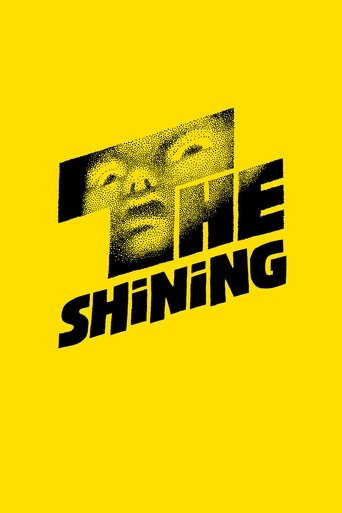
Wake in Fright → The Shining
The Link
Wake in Fright's heat and dust give way to the Overlook's snow and corridors; both films trap a man in a closed system where the environment itself seems to conspire against his sanity.
A family isolated in a snowbound hotel descends into madness as supernatural forces exploit their weaknesses. Kubrick's horror masterpiece uses the Overlook as a pressure cooker.
The Shining → Midsommar
The Link
The Shining's winter isolation is inverted: Midsommar's sun-drenched commune is equally inescapable, and the rituals are not hidden but celebrated, with the outsider's grief repurposed for the community's ends.
Midsommar → The Lighthouse
The Link
Midsommar's communal ritual gives way to a two-man siege: The Lighthouse strips away the community, leaving only the raw elements and the men's own demons, a more intimate and claustrophobic horror.
Two lighthouse keepers on a remote rock are slowly driven to madness by isolation, storms, and a shared mythic obsession. Robert Eggers' film is a study in psychological erosion.
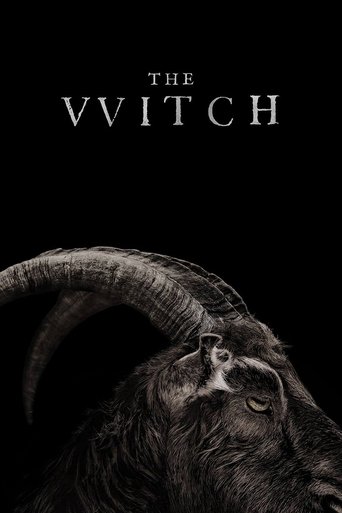
The Lighthouse → The Witch
The Link
The Lighthouse's mythic dread finds its colonial ancestor in The Witch: both films set a small group against a hostile wilderness, where faith and folklore blur and the true horror is the self.
A Puritan family exiled to the edge of a forest faces a malevolent presence that may be a witch or their own paranoia. A slow-burn descent into religious hysteria.
Related Chains
Explore
Log in to leave a comment.
No comments yet.