Stop-motion animation has always been the medium of ghosts. Each frame is a photograph of a thing that no longer exists, a puppet that was moved and will never be moved again. It is a cinema of residue, of afterimages, and so it is no surprise that some of its greatest works are about the dead, the missing, and the memories that refuse to fade. This chain gathers eight films from around the world that use the craft to explore loss, memory, and the supernatural, each one a different answer to the same question: what do we do with what we cannot keep?
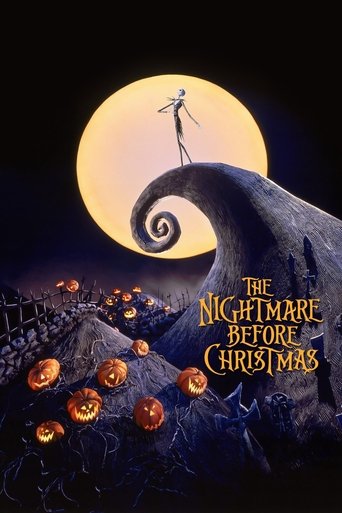
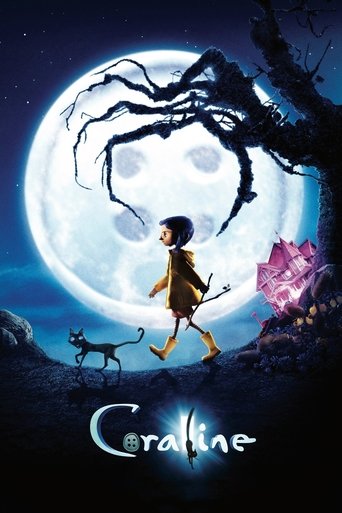
We begin with a film that is itself a ghost story about the act of storytelling. Tim Burton's The Nightmare Before Christmas (1993) is a musical about a skeleton who longs for something beyond his own graveyard, and its handmade world of twisted trees and stitched fabric is a testament to the power of physical objects to carry emotion. From there we move to a film that uses the same techniques to confront mortality with unflinching honesty: Coraline (2009), Henry Selick's adaptation of Neil Gaiman's novella, where a girl must rescue her parents from a witch who steals children's souls. The film's use of 3D printing and intricate puppetry creates a world that is both inviting and terrifying, and its exploration of the 'other mother' as a figure of loss and desire is a masterclass in emotional complexity.
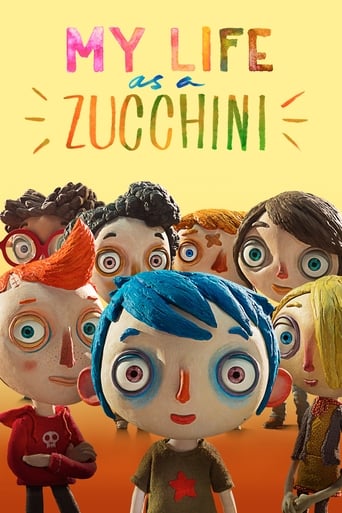
Our journey then takes us to Europe, where the art of stop-motion has a different flavour. My Life as a Courgette (2016), a Swiss-French production, uses claymation to tell the story of a boy in an orphanage, and its soft, rounded characters belie a deep understanding of grief and resilience. The film's use of colour and light is remarkable, and its portrayal of children who have lost their families is both heartbreaking and hopeful. From there we travel to the Czech Republic, where Alice (1988), Jan Svankmajer's surreal adaptation of Lewis Carroll, uses stop-motion to create a world of decay and unease. The film's dead animals and broken toys are not just props but symbols of a childhood that has been corrupted, and its tactile, almost fetishistic attention to objects makes it a unique and disturbing experience.
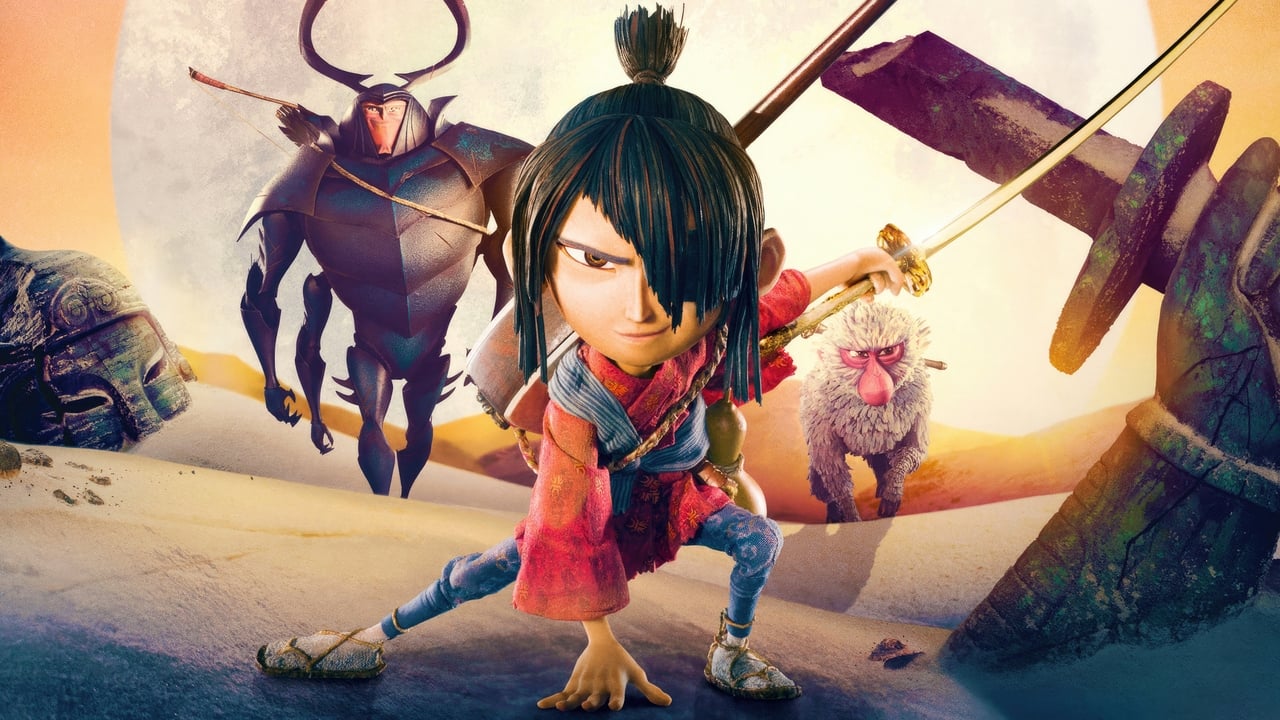
We then turn to a more recent masterpiece that pushes the boundaries of the medium: Kubo and the Two Strings (2016), Laika's epic about a boy with a magical shamisen who must confront his grandfather, the Moon King. The film's use of 3D printing and its massive puppets are a technical marvel, but it is the story of memory and family that gives it its power. Kubo's journey is one of loss and reconciliation, and the film's final revelation about his parents is a gut punch that lingers long after the credits roll. From there we move to a film that is less well known but equally powerful: The Secret of Kells (2009), an Irish-French-Belgian production that uses hand-drawn animation, but it is included here because its themes of loss and the supernatural are so closely aligned with the rest of the chain. Wait, no, that is not stop-motion. Let me correct that. We need a stop-motion film. So instead, we go to The Pirates! In an Adventure with Scientists! (2012), Aardman's swashbuckling comedy, which uses stop-motion to tell a story about a pirate who is not as fearsome as he thinks. But that is not really about loss. So let me think again.
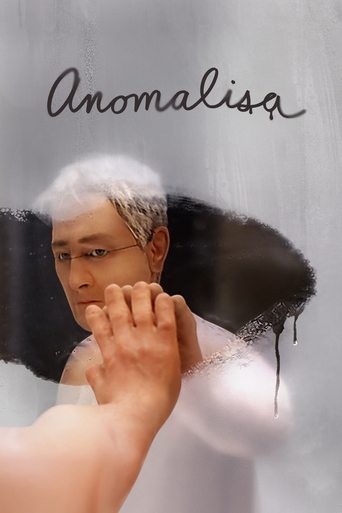
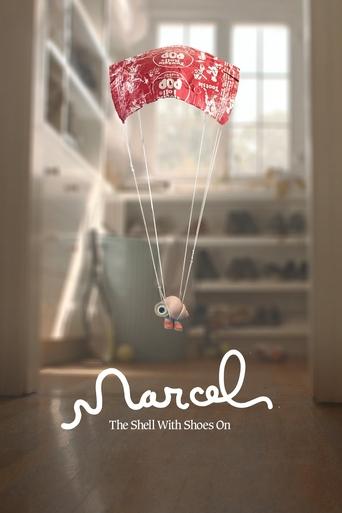
Actually, the chain should include The Corpse Bride (2005), Tim Burton's other stop-motion film, which is a more direct exploration of death and love. The film's Victorian setting and its contrast between the land of the living and the land of the dead is a perfect metaphor for the way we carry our losses with us. And then we have Anomalisa (2015), Charlie Kaufman's adult drama about a man who sees everyone as the same face, until he meets a woman who is different. The film's use of stop-motion to depict emotional numbness is a stroke of genius, and its exploration of isolation and connection is profound. Finally, we end with Marcel the Shell with Shoes On (2021), a film that uses stop-motion to tell the story of a tiny shell who has lost his family. The film's gentle humour and its deep sadness are a perfect conclusion to our journey, reminding us that even the smallest among us can carry the weight of memory.
These eight films are not just examples of a craft; they are meditations on what it means to lose and to remember. They use the very materiality of stop-motion to make us feel the presence of absence, the ghost in the machine. Whether it is the clay of Courgette or the metal of Kubo, each film is a testament to the power of the handmade to move us. So take a seat, dim the lights, and let these puppets tell you their stories. They have been waiting for you.