Paradise Lost
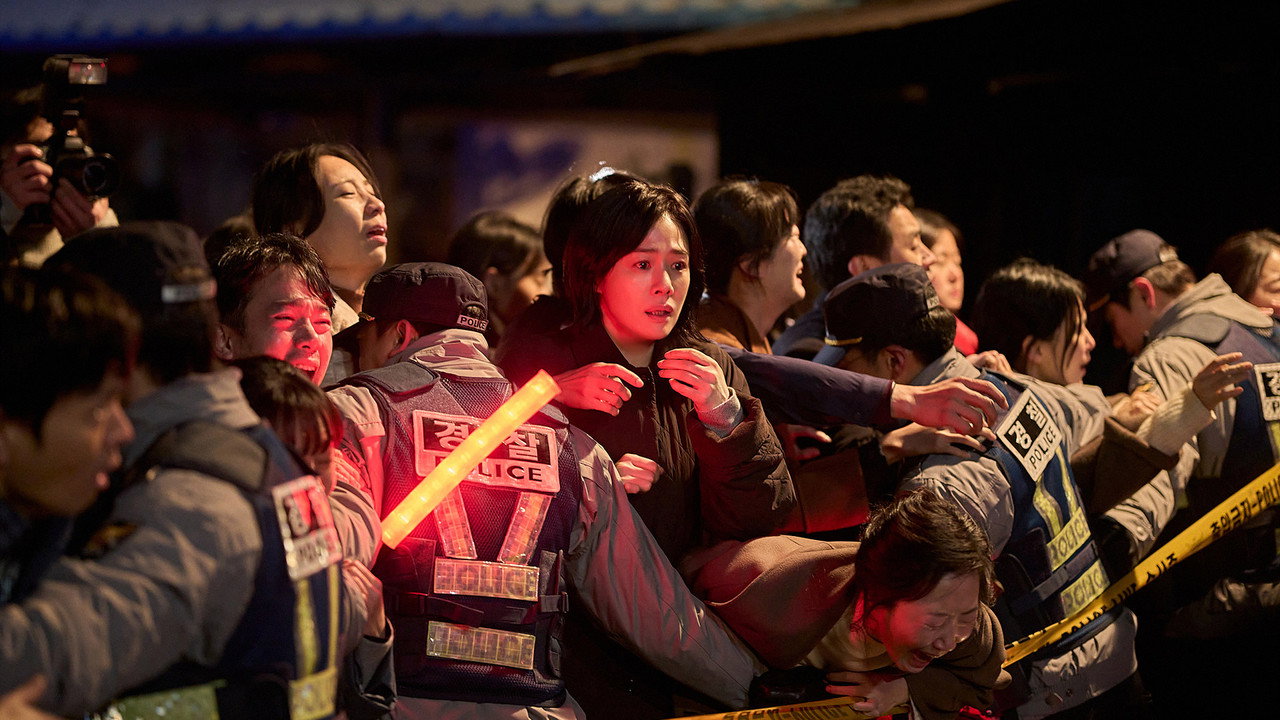
Yeon Sang-ho's film follows a mother whose vanished son returns as a technologically revised version of himself, forcing her to confront the reality she has helped create. The horror is not the simulation but the love that sustains it.
Chain
A chain about virtual reality, digital afterlife and grief, beginning with Yeon Sang-ho's Paradise Lost and moving through Korean and international cinema's screen-bound purgatories.
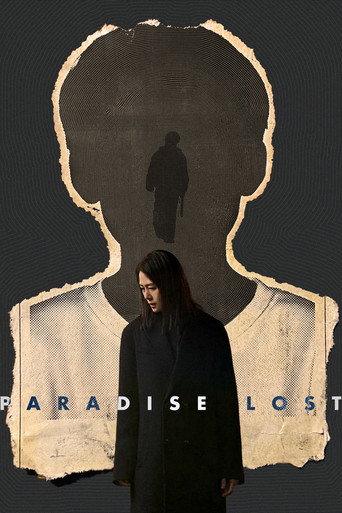
Yeon Sang-ho has spent a decade building worlds where the dead refuse to stay gone, and Paradise Lost (2026) sharpens that obsession to a point. A bus full of children vanishes. Years later a grieving mother is offered an altered version of her son, a technologically revised boy who returns to her arms carrying someone else's memories. The premise is science fiction, but the ache is entirely human: what do we owe the simulations we build of the people we have lost, and what do they owe us in return? Yeon's film sits at the centre of a tradition that treats the screen itself as a kind of purgatory, a place where the departed can be summoned, edited and, crucially, disappointed.
The chain around it traces that tradition from Seoul outward. Yeon's own Train to Busan (2016) turns a commuter carriage into a moving tomb, where survival is measured in who you are willing to leave behind. Park Chan-wook's Decision to Leave (2022) abandons the supernatural entirely and finds the same vertigo in a detective's obsession, a man who reconstructs a suspect's life so completely that he loses his own. Bong Joon-ho's Snowpiercer (2013) pushes the metaphor to its logical end: a closed system, a frozen world, a hierarchy maintained by the fiction that there is no outside. Each film asks what happens when a constructed world becomes more bearable than the real one.
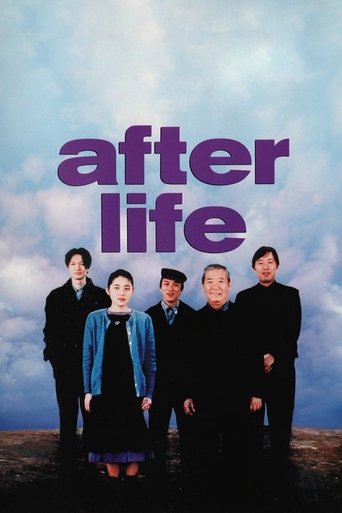
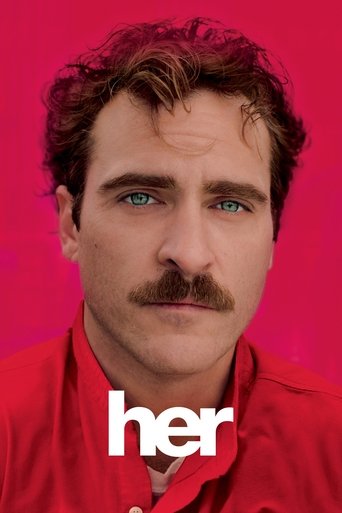
From there the chain widens. The Wachowskis' Cloud Atlas (2012) insists that souls recur across centuries, that a life is never only one life, which is either a comfort or a sentence depending on your view. Hirokazu Kore-eda's After Life (1998) offers the gentlest version of the theme: the recently dead choose a single memory to keep forever, and the film's staff recreate it on a soundstage. Mamoru Hosoda's Summer Wars (2009) and Spike Jonze's Her (2013) show the same impulse in the living, falling in love with avatars and operating systems because the real thing has become too heavy to hold. And Wong Kar-wai's 2046 (2004) closes the loop, a hotel of rooms where a writer stores the women he could not keep, each one a revision he can revisit but never repair.
What unites these films is not technology but grief's refusal to accept an ending. The digital afterlife is never really about the dead. It is about the living, and the stories we tell ourselves to make the loss survivable. Watch them in this order and the pattern becomes clear: every simulated world is a bargain, and every bargain has a cost.
Yeon Sang-ho's film follows a mother whose vanished son returns as a technologically revised version of himself, forcing her to confront the reality she has helped create. The horror is not the simulation but the love that sustains it.
Paradise Lost → Train to Busan
The Link
Yeon's earlier film strips the digital element away but keeps the same question: what does a parent sacrifice to keep a child alive, and what version of themselves do they become in the process? The closed train prefigures the closed system of Paradise Lost.
Yeon's breakout film traps a group of strangers on a train as the country outside collapses into infection. The carriage becomes a pressure chamber for every selfish and selfless choice a parent can make.
Train to Busan → Decision to Leave
The Link
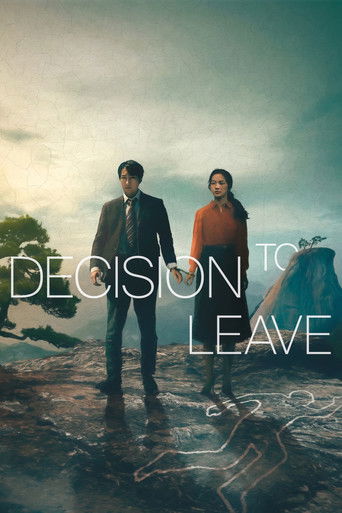
Where Paradise Lost builds a simulation of a lost child, Park's film builds a simulation of a lost woman inside a detective's mind. Both are investigations into whether a reconstructed person can ever be enough.
Park Chan-wook's detective falls for the widow he is investigating, reconstructing her life so obsessively that his own dissolves. Tang Wei's performance is a masterclass in withheld feeling.
Decision to Leave → Snowpiercer
The Link
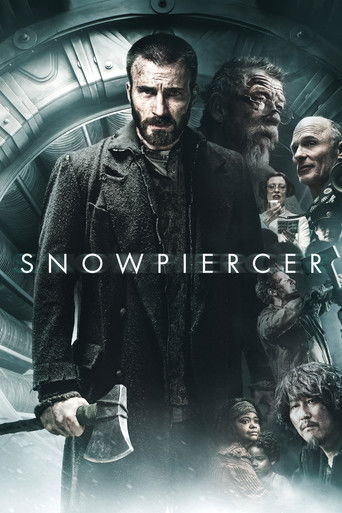
Bong's train is the ultimate constructed world, a closed loop where the story of balance is told to justify cruelty. It shares with Paradise Lost the idea that a fabricated system can be more comforting than the truth outside it.
Bong Joon-ho's adaptation of the French graphic novel places the last of humanity on a perpetually moving train, organised by carriage and enforced by myth. The engine is a god, and the order it maintains is a lie.
Snowpiercer → Cloud Atlas
The Link
If Paradise Lost asks whether a revised son can still be your son, Cloud Atlas answers that identity was never singular to begin with. Souls migrate, and every version is both a continuation and a betrayal.
The Wachowskis and Tom Tykwer weave six stories across centuries, suggesting that love and violence recur in different bodies and eras. The editing makes the connections feel like memory rather than coincidence.
Cloud Atlas → After Life
The Link
Kore-eda's film is the tender ancestor of every digital afterlife: a place where the dead are edited into their best selves. It asks the same question as Paradise Lost, but with gentleness instead of dread.
Hirokazu Kore-eda's documentary-style fantasy follows the recently dead as they choose one memory to carry into eternity, which a small crew then recreates on a film set. The result is a purgatory made of soundstages and sincerity.
After Life → Summer Wars
The Link
Hosoda shows the living already inhabiting a simulated world, one where avatars carry real consequences. It is the flip side of Paradise Lost: the network as a place of connection rather than a place of grief.
Mamoru Hosoda's animation pits a sprawling Japanese family against a rogue AI inside a vast online world called OZ. The film's warmth lies in its insistence that real kinship can survive a digital crisis.
Summer Wars → Her
The Link
Jonze completes the chain's movement from the dead to the living: a man who prefers a constructed companion to a human one. The film asks whether a love that exists only in software can be grieved like any other.
Spike Jonze's lonely Los Angeles is a city of people in love with operating systems. Joaquin Phoenix and Scarlett Johansson make the relationship feel real enough to break your heart when it ends.
Related Chains
Explore
Log in to leave a comment.
No comments yet.