Log in Sign up

Glass Houses That Refuse to Let You Leave

A tour of haunted architecture, from a 2001 remake's clockwork glass prison back through Italian gothic and the black-and-white British ghost story, where the building always gets the last word.

· ·

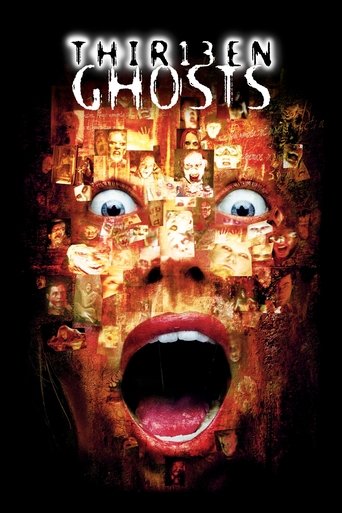
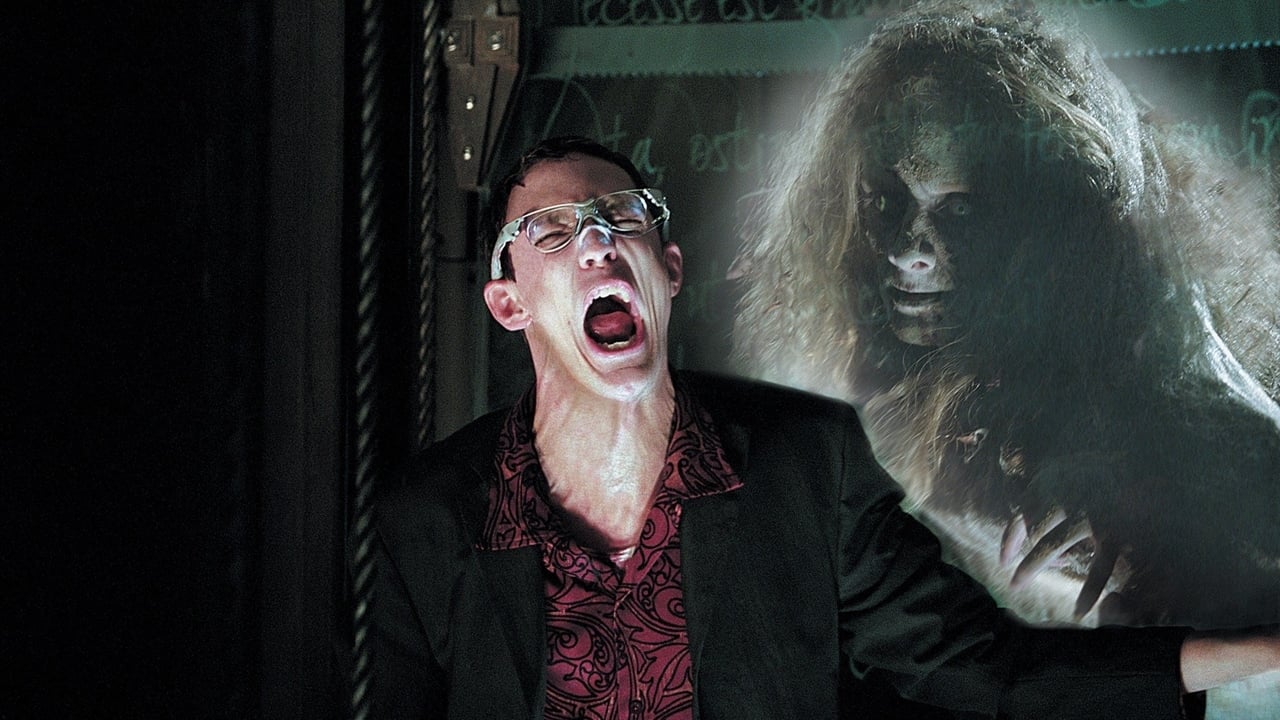
Steve Beck's Thir13en Ghosts arrived in 2001 as a remake of William Castle's 1960 gimmick picture, and it did something the original never could: it made the house itself the monster. The mansion inherited by Arthur Kriticos is a contraption of etched glass, rotating walls and Latin inscriptions, a machine built to open the Eye of Hell and powered by the dead. Every corridor is a pane you can see through and never pass through. The film is loud, silly and occasionally gorgeous, and its central idea is older than cinema: property as trap, inheritance as sentence.

The chain that follows takes that idea and traces its ancestry through the gothic cinema of Italy and Britain, where architecture is never merely backdrop. Mario Bava's Kill, Baby... Kill! turns a village and its crumbling villa into a closed circuit of guilt, while The Whip and the Body pushes the same director's obsession with corridors, drapes and thresholds into erotic delirium. Lucio Fulci's The Beyond treats a Louisiana hotel as a literal gateway, its rooms rearranged by something that does not respect floor plans. And the British ghost-story tradition, from Jack Clayton's The Innocents to Robert Wise's The Haunting, proves that a staircase and a nursery door can be more frightening than any apparition.

Why this order

Watching the 2001 film first sharpens the appetite for older, stranger versions of the same dread. The later Italian titles strip away the remake's heavy-metal noise and leave only space, light and the sense that a building is thinking. The British films then close the loop with restraint: no gears, no pentagrams, just a house that has decided you belong to it. By the end, glass, plaster and stone have all become the same villain, and the viewer understands why horror keeps returning to the inherited house. It is the one possession that possesses you back.

Thir13en Ghosts
1

Thir13en Ghosts

2001 · dir. Steve Beck · 91 min

A widowed father and his children inherit a glass mansion that is really a demonic engine, its walls etched with containment spells and its basement full of furious spectres. Beck's remake is a haunted-house film where the house has moving parts.

Thir13en Ghosts → Kill, Baby... Kill!

The Link

Bava's film takes the glass prison's mechanical menace and replaces it with something more insidious: a village and villa that loop back on themselves. Where Thir13en Ghosts traps its family with locks and gears, Bava traps his characters with geography, and the effect is eerier for being almost invisible.

Kill, Baby... Kill!
2

Kill, Baby... Kill!

1966 · dir. Mario Bava · 83 min

Mario Bava's tale of a Carpathian village cursed by a dead child, where a doctor's investigation leads him through a villa of mirrors, spiral staircases and repeating rooms. The architecture seems to be rehearsing the same murder.

Kill, Baby... Kill! → The Whip and the Body

The Link

Having used Bava's village as a maze, this film narrows the focus to a single castle and makes the corridors erotic rather than merely frightening. The progression from Kill, Baby... Kill! is one of scale: the same director, the same obsession with thresholds, but now the building is a body.

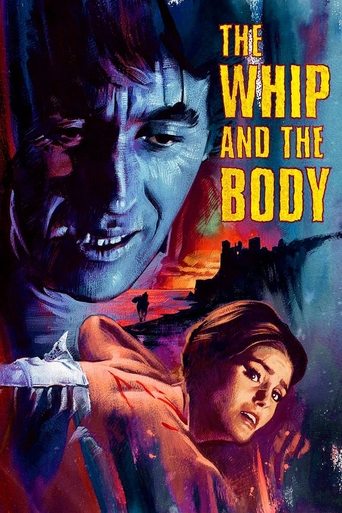
The Whip and the Body
3

The Whip and the Body

1963 · dir. Mario Bava · 87 min

Bava again, this time in colour, as a sadistic nobleman's ghost seems to haunt the castle where his brother's wife now lives. Corridors, tapestries and candlelight do most of the haunting before any figure appears.

The Whip and the Body → The Beyond

The Link

Fulci takes the Italian gothic castle and drags it into the swamps of the American South, where the hotel's floor plan stops behaving. After Bava's elegant corridors, this is architecture as open wound, and it shows how far the inherited-building idea can be pushed before it becomes pure surrealism.

The Beyond
4

The Beyond

1981 · dir. Lucio Fulci · 88 min

Lucio Fulci's Louisiana hotel sits on one of the seven gateways to hell, and its new owner discovers that renovation is a form of damnation. Rooms fill with water, spiders and the wrong kind of silence.

The Beyond → The Innocents

The Link

Where Fulci's hotel is visibly supernatural, Clayton's Bly is ambiguous to its bones, and that restraint is the point of the move. The chain shifts from Italian excess to British suggestion, and the inherited house becomes a psychological pressure chamber rather than a portal.

The Innocents
5

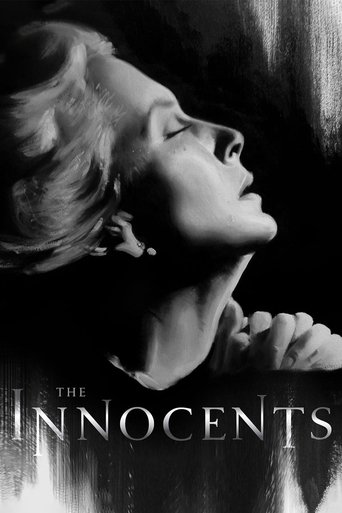
The Innocents

1961 · dir. Jack Clayton · 100 min

Jack Clayton's adaptation of The Turn of the Screw, photographed in CinemaScope by Freddie Francis, turns a country estate into a stage for a governess's unravelling. The lake, the tower and the nursery are all complicit.

The Innocents → The Haunting

The Link

Wise's film takes the governess's isolation in The Innocents and multiplies it: now a whole team of investigators is trapped, and the house picks its favourite. The British tradition's understatement meets American studio craft, and the building's geometry becomes the clearest villain yet.

The Haunting
6

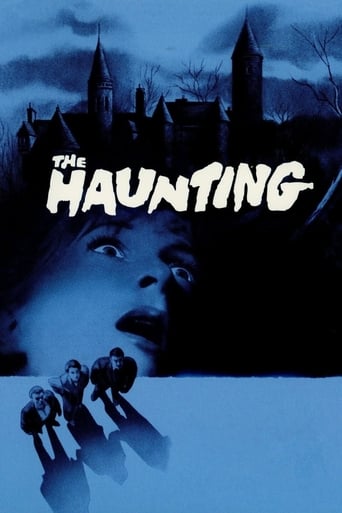
The Haunting

1963 · dir. Robert Wise · 112 min

Robert Wise's Hill House is a study in wrong angles, with doors that close themselves and a spiral staircase that seems to lean. Julie Harris's Eleanor arrives as a guest and is gradually absorbed by the building.

The Haunting → The Legend of Hell House

The Link

After The Haunting's suggestion, this film adds scientific instrumentation and a countdown, making the inherited house a laboratory that bites back. It bridges the British ghost story and the more mechanical trap of Thir13en Ghosts, showing the same idea handled with seventies bluntness.

The Legend of Hell House
7

The Legend of Hell House

1973 · dir. John Hough · 95 min

John Hough's adaptation of Richard Matheson's novel sends a physicist and two mediums into the Belasco house, a sealed mansion with a history of depravity. The house is treated as an experiment, and the experiment turns on its observers.

The Legend of Hell House → The Shining

The Link

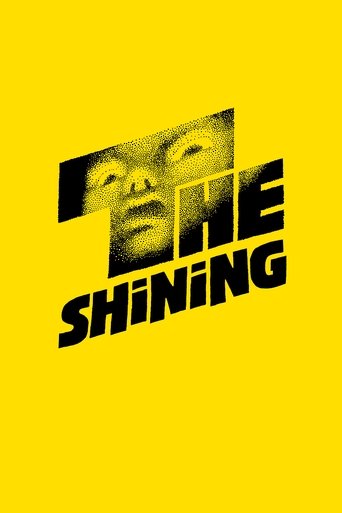
The chain ends with the most famous inherited house of all, and it earns its place because Kubrick makes the Overlook's architecture as legible as a floor plan and as hostile as a mind. Everything before it, from Bava's looping villas to Wise's leaning staircases, leads here: the building as a character that has been waiting for you.

The Shining
8

The Shining

1980 · dir. Stanley Kubrick · 144 min

Kubrick's Overlook Hotel is a labyrinth of carpet, timber and impossible corridors, and Jack Torrance's winter caretaking becomes a slow possession by the building's history. The maze outside is the least of it.

Where this chain leads

Log in to leave a comment.

No comments yet.