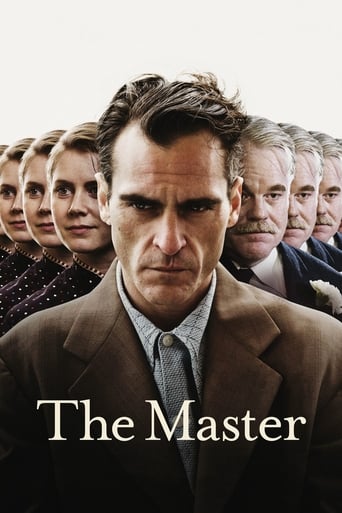
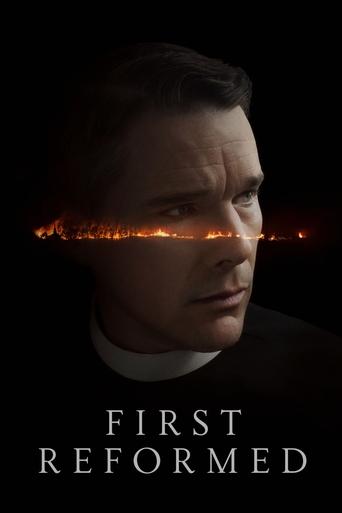
American cinema has always been fascinated by the collision of faith and power, that dangerous place where a charismatic voice can bend a congregation to its will. This chain traces that obsession from the shadowy riverbanks of the Depression-era South to the sun-scorched plains of the modern West, following the ways filmmakers have used their own historical moments to sharpen the blade of their stories. Each film here is a study in how belief can curdle into control, and how the very qualities that make a leader magnetic can also make them monstrous.
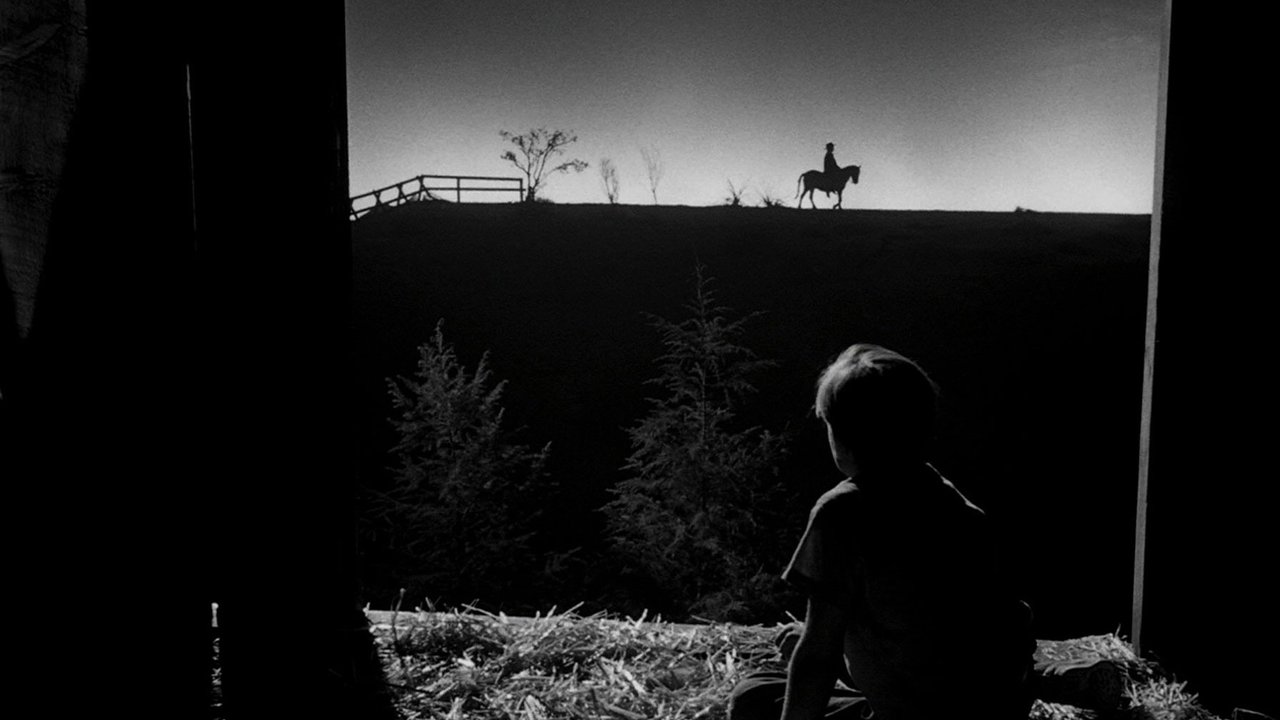
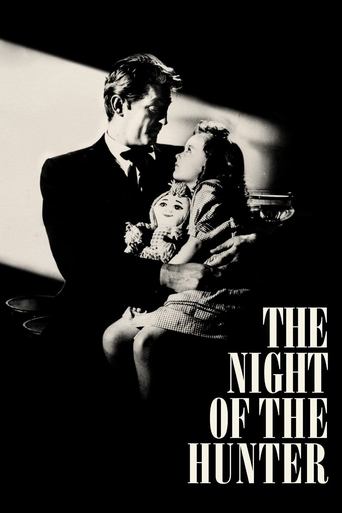
We begin with Charles Laughton's 1955 masterpiece, The Night of the Hunter, a film that feels like a fever dream of American Gothic. Robert Mitchum's Preacher Harry Powell, with his knuckle tattoos and honeyed voice, is the archetype of the false prophet, a man who uses scripture as a weapon and children as his prey. Laughton, a British director making his only American film, tapped into a postwar anxiety about the seductive power of demagoguery, creating a fairy tale that is both timeless and deeply rooted in its era's fears of the charismatic con man.
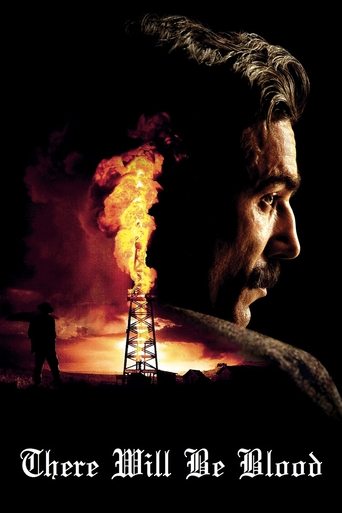
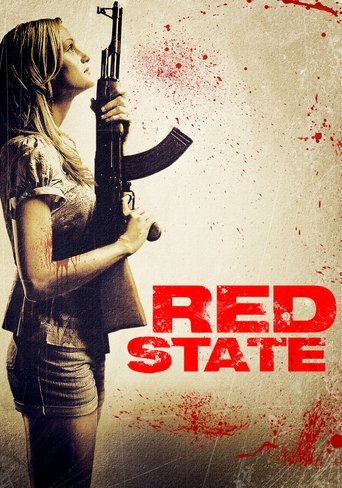
From there, the chain moves forward through the decades, each film a response to its own cultural moment. The 1970s give us a paranoid thriller about a messianic killer, the 1990s a portrait of a cult leader who is both victim and victimizer, and the 2000s a brutal epic of oil and religion that sees capitalism as its own kind of faith. The journey culminates in the 2010s with a film that drags the battle between fundamentalism and secularism into the present day, reminding us that the tension between charisma and corruption is not a relic of the past but a living, breathing force in American life.
What emerges is a through-line of suspicion: a deep-seated American distrust of the man who claims to speak for God, and a fascination with the way that claim can be twisted into a tool of domination. These films are not just about religion; they are about the human hunger for meaning and the ease with which that hunger can be exploited. As you watch them in sequence, you will see the same story told again and again, in different keys, each one a variation on a theme that never grows old.