Log in Sign up

The Threshold of Nowhere

From a furniture store's hidden door to the endless corridors of the mind, this chain maps the liminal spaces where dread and wonder collide.

· ·

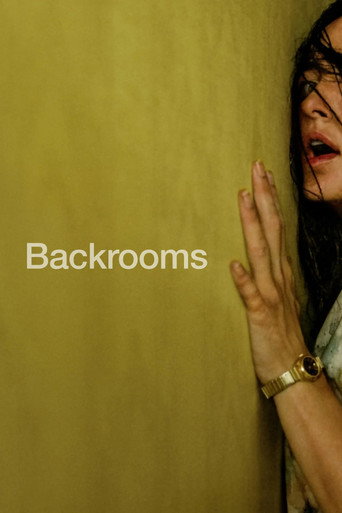
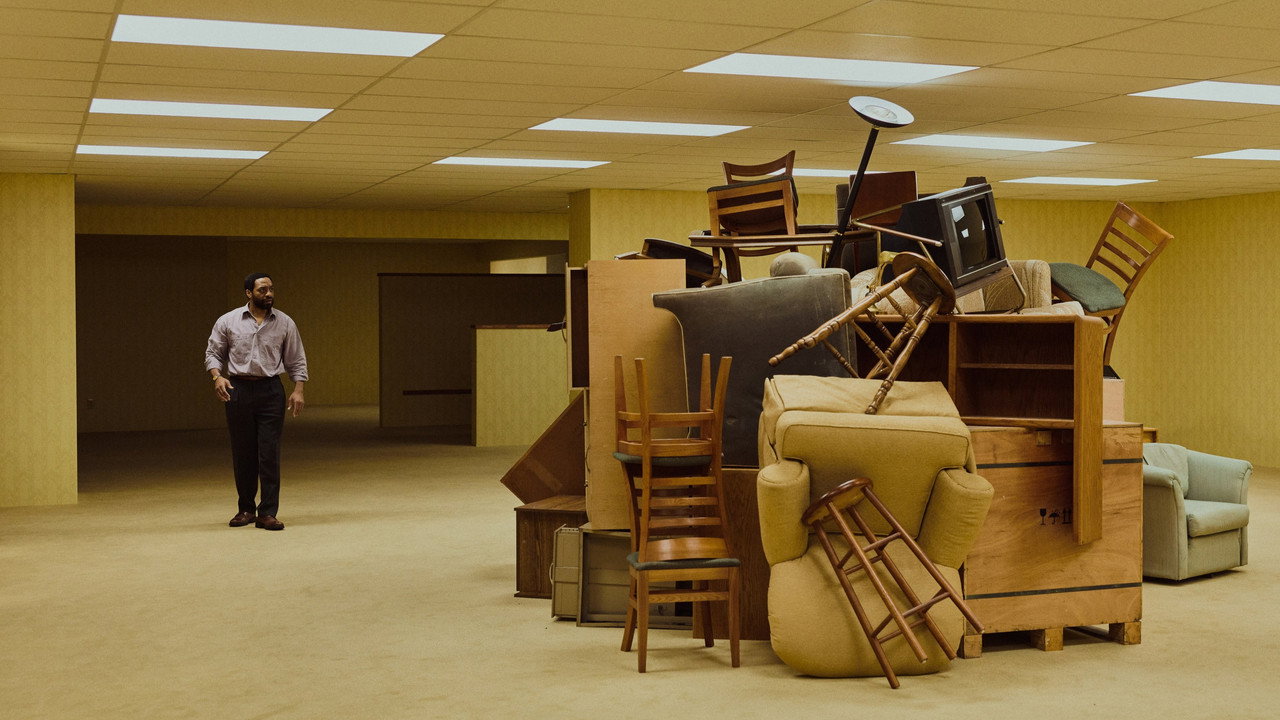
In Backrooms (2026), a strange doorway appears in the basement of a furniture showroom, and the film's genius is in how it treats that doorway not as a portal to adventure but as a puncture in reality itself. The showroom, with its identical sofas and maze of display rooms, is already a liminal space: a place designed to be passed through, never inhabited. When the door opens onto the endless yellow corridors of the backrooms, the film taps into a specifically modern dread, the fear of the non-place, the architectural afterthought, the space that exists only as a transition. It is a film about the sublime horror of the in-between, and it sets the tone for a chain of films that find the uncanny in the everyday thresholds we cross without thinking.

This chain follows that thread through eight films, each one a different kind of liminal space: the motel room, the airport lounge, the stairwell, the parking garage, the virtual corridor. These are places that are neither here nor there, and the directors who work in them understand that such spaces are ripe for existential dread. The chain moves from the physical to the psychological, from the concrete to the digital, always circling back to the idea that the most frightening places are the ones we occupy without noticing. It is a journey through the architecture of unease, and it rewards the viewer who is willing to linger in the threshold.

What binds these films together is a shared sensibility: a love of atmosphere over explanation, a patience with stillness, and a belief that the mundane can be made monstrous. The chain includes a Japanese horror film that turns a stairwell into a nightmare, a French sci-fi that imagines a hotel as a prison, and a British art film that finds the sublime in a motorway service station. Each film is a variation on a theme, and together they form a kind of taxonomy of the liminal. The order matters: we start with the physical spaces, then move into the psychological, and finally into the digital, ending with a film that suggests the ultimate liminal space might be the one inside our own heads.

This is not a chain for the faint of heart, but it is a chain for the curious. It asks you to look at the spaces you usually ignore, and to consider what might be hiding in the corners. It is a celebration of the strange, the overlooked, and the in-between, and it is a reminder that the most terrifying places are often the ones we pass through every day. If you have ever felt a shiver in an empty corridor, or a sense of wrongness in a room that should be ordinary, this chain is for you.

Backrooms
1

Backrooms

2026 · dir. Kane Parsons · 111 min

A strange doorway appears in the basement of a furniture showroom, leading to an endless maze of yellow rooms and fluorescent light. The film transforms a mundane retail space into a portal to a nightmare of pure liminality.

Backrooms Vivarium

The Link

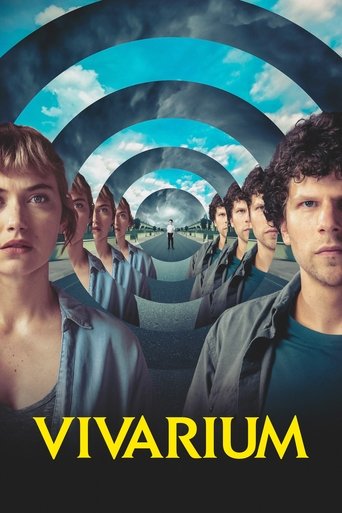
Vivarium picks up the backrooms' sense of endless, identical spaces and makes them domestic. Where Backrooms finds horror in a hidden corridor, Vivarium finds it in the open, in the very idea of the suburban dream as a trap.

Vivarium
2

Vivarium

2019 · dir. Lorcan Finnegan · 99 min

A young couple is trapped in a suburban housing estate where every house is identical and the sky never changes. The film's sterile, repetitive architecture becomes a prison of the in-between.

Vivarium The Shining

The Link

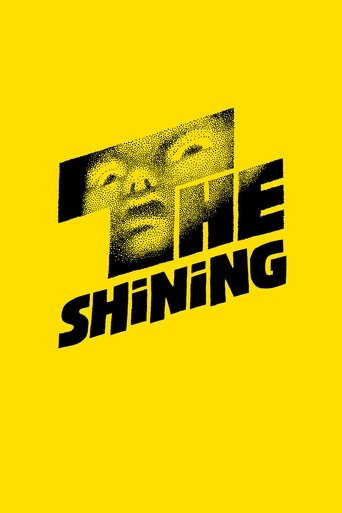
The Shining takes the claustrophobia of Vivarium's endless houses and blows it up into a vast, labyrinthine hotel. The corridors of the Overlook are the backrooms of the psyche, and Kubrick's geometry of dread is the gold standard for liminal horror.

The Shining
3

The Shining

1980 · dir. Stanley Kubrick · 144 min

A family becomes the winter caretakers of an isolated hotel, where corridors shift and the past bleeds into the present. The Overlook Hotel is a liminal space of memory and madness.

The Shining The Station Agent

The Link

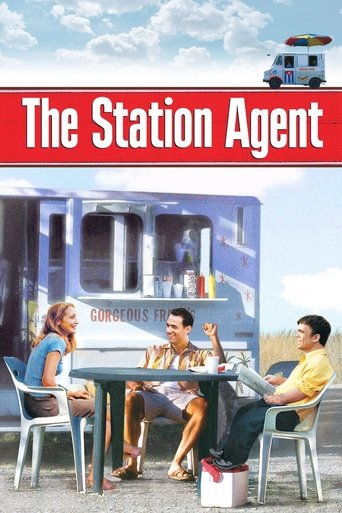
After the terror of the Overlook, The Station Agent offers a gentler kind of liminality. The depot is a place of departure and arrival, and the film finds warmth in the in-between, showing that liminal spaces can also be homes.

The Station Agent
4

The Station Agent

2003 · dir. Tom McCarthy · 88 min

A man with dwarfism inherits an abandoned train depot in rural New Jersey, and finds a community among the tracks. The station is a place of transit and waiting, a threshold between lives.

The Station Agent Lost in Translation

The Link

Lost in Translation shares The Station Agent's quiet melancholy, but swaps the rural depot for a luxury hotel in a foreign city. The film is a study of the transient connections that happen in transit, and it captures the sublime ache of being nowhere.

Lost in Translation
5

Lost in Translation

2003 · dir. Sofia Coppola · 102 min

Two lonely Americans meet in a Tokyo hotel, adrift in a city that is both dazzling and isolating. The hotel bar, the neon streets, the jet lag: all are liminal states of being.

Lost in Translation Anomalisa

The Link

Anomalisa takes the hotel setting of Lost in Translation and pushes it into the surreal. The identical voices and faces of the other guests evoke the backrooms' uniformity, and the film's stop-motion animation makes the mundane feel uncanny.

Anomalisa
6

Anomalisa

2015 · dir. Charlie Kaufman · 91 min

A customer service expert checks into a Cincinnati hotel and hears everyone as the same voice, until a chance encounter breaks the monotony. The hotel is a liminal space of existential crisis.

Anomalisa After Yang

The Link

After Yang moves the liminal from physical spaces to the digital and the emotional. The android's memories are a kind of backroom of the self, and the film's quiet, contemplative tone echoes the stillness of Anomalisa while exploring the threshold between human and machine.

After Yang
7

After Yang

2022 · dir. Kogonada · 96 min

In a near-future world, a family grieves the loss of their android son, and the father pieces together the memories stored in his malfunctioning body. The film is a meditation on memory, identity, and the spaces between life and artificial life.

After Yang Being John Malkovich

The Link

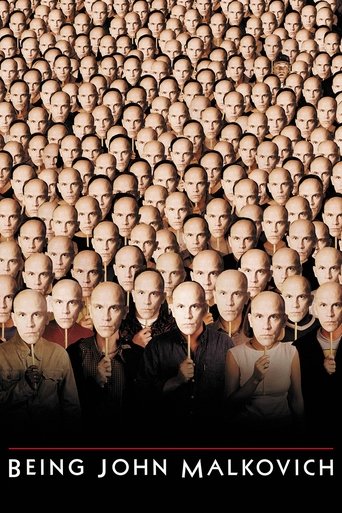
Being John Malkovich takes the idea of the liminal and makes it literal: a doorway into someone else's head. The film's surreal, playful tone is a departure from the dread of Backrooms, but it shares the same fascination with the spaces between selves, and it ends the chain on a note of darkly comic wonder.

Being John Malkovich
8

Being John Malkovich

1999 · dir. Spike Jonze · 113 min

A puppeteer discovers a portal that leads into the mind of actor John Malkovich, and begins selling the experience. The portal is a literal threshold into another consciousness, a liminal space of identity.

Where this chain leads

Genres

  • Science Fiction
  • Mystery
  • Horror
  • Thriller
  • Comedy
  • Drama
  • Romance
  • Animation

Log in to leave a comment.

No comments yet.