Chinatown
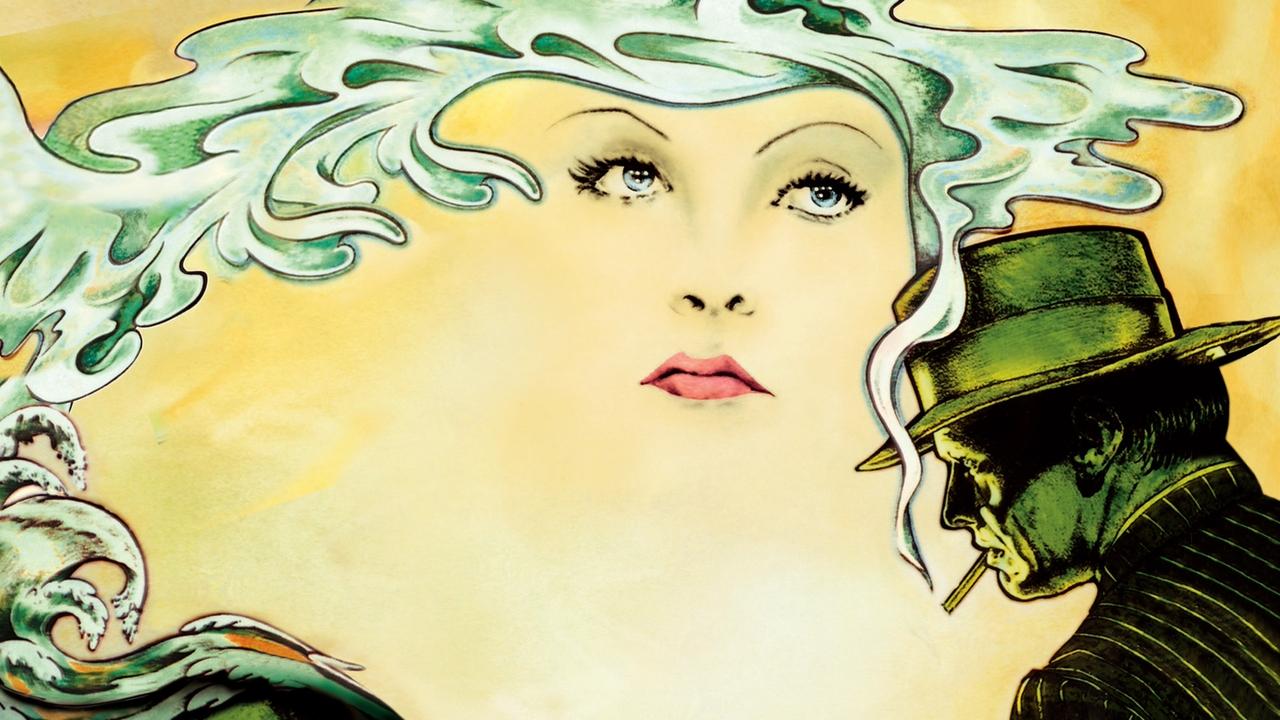
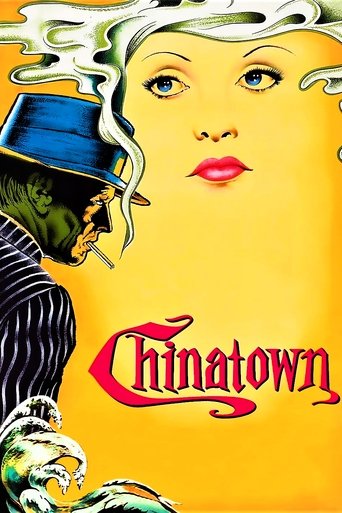
Roman Polanski's neo-noir masterpiece, with Jack Nicholson as private eye Jake Gittes, who uncovers a web of corruption and incest beneath Los Angeles's water wars.
Chain
From a detective's haunted pursuit to a killer's fractured psyche, this chain traces cinema's most intimate crime stories, where the real action happens inside the mind.
Crime cinema has always been as much about the chase as it is about the chaser. But there is a particular strain of the genre that turns its gaze inward, trading gunfights for guilt, alibis for anxiety. These are films that understand the most compelling mysteries are the ones we carry inside ourselves. They use voiceover, dream logic, and visual abstraction to make psychology tangible, turning the screen into a mirror held up to the darkest corners of human desire and dread.
This chain begins with a landmark of the neo-noir revival, a film that took the hardboiled detective and plunged him into a labyrinth of his own making. From there, we follow the threads of obsession and pathology through different eras and continents, watching how directors from Japan to France to America have found new languages for old obsessions. Each step builds on the last, showing how the genre's most daring practitioners have used formal experimentation to get under the skin of their characters.
You will meet detectives who are haunted by the dead, killers who are haunted by their own childhoods, and ordinary people who find themselves sliding into extraordinary violence. You will see how a simple voiceover can become a confession, how a dream sequence can reveal a truth that waking life obscures, and how a camera can turn a city street into a landscape of memory and menace. These are not just crime films; they are portraits of the human mind under pressure.
By the end, you will have travelled from the rain-slicked streets of Los Angeles to the neon-lit corridors of Tokyo, from the paranoia of 1970s America to the existential dread of modern Europe. What unites these films is their willingness to take psychology seriously, to treat the mind as the most dangerous crime scene of all. So dim the lights, lean in, and prepare to see crime from the inside out.
Roman Polanski's neo-noir masterpiece, with Jack Nicholson as private eye Jake Gittes, who uncovers a web of corruption and incest beneath Los Angeles's water wars.
Chinatown → The Long Goodbye
The Link
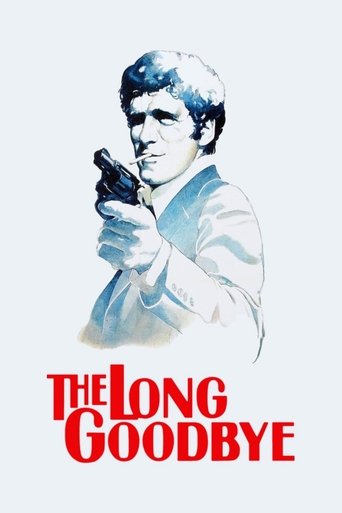
From Chinatown's cynical LA, we move to Altman's even more alienated Marlowe, whose laid-back detachment masks a quiet despair. Both films use the detective as a lens on a corrupt city, but Altman pushes the genre into a more self-conscious, dreamlike register.
Robert Altman's revisionist take on Raymond Chandler, with Elliott Gould as a shambling, anachronistic Marlowe adrift in 1970s LA.
The Long Goodbye → Blade Runner
The Link
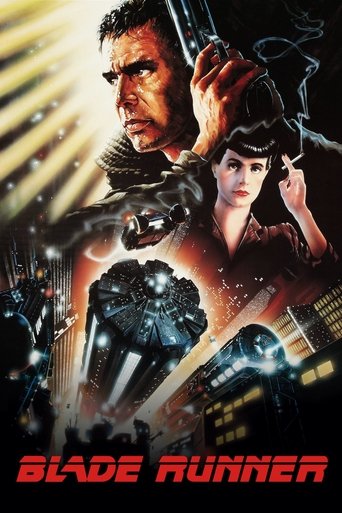
Altman's hazy LA becomes Scott's dystopian metropolis, where the detective's obsession takes on existential weight. Deckard's hunt for replicants blurs the line between human and machine, echoing Marlowe's search for meaning in a world that has moved past him.
Ridley Scott's sci-fi noir, with Harrison Ford as Deckard, a blade runner hunting replicants in a rain-soaked, neon-drenched future LA.
Blade Runner → Se7en
The Link
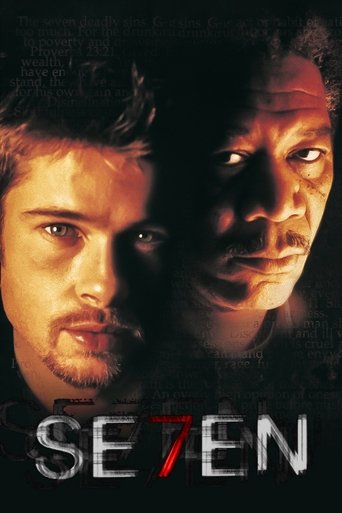
From the replicants of Blade Runner, we descend into the rain-soaked hell of Fincher's unnamed city, where the killer's pathology is a twisted philosophy. The film's oppressive atmosphere and stylised visuals externalise the detectives' growing despair, pushing the genre into darker psychological territory.
David Fincher's grim serial-killer thriller, with Brad Pitt and Morgan Freeman tracking a murderer who uses the seven deadly sins as his blueprint.
Se7en → Memories of Murder
The Link
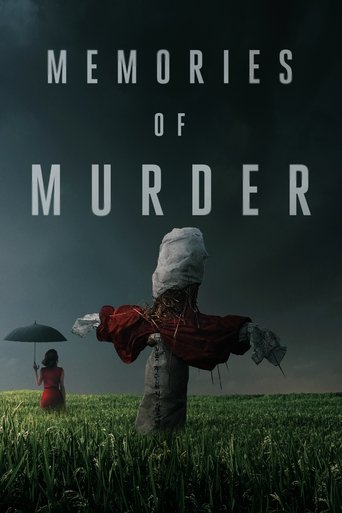
Fincher's procedural nightmare finds a counterpart in Bong's investigation, where the detectives' obsessions consume them in a very different cultural context. The film's tonal shifts, from black comedy to heartbreak, mirror the psychological toll of an unsolvable case.
Bong Joon-ho's masterful account of Korea's first serial killer case, following two detectives whose methods clash as they chase a ghost.
Memories of Murder → Zodiac
The Link
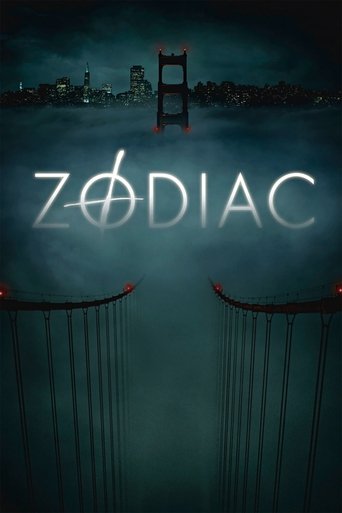
Bong's detectives are haunted by their failure; Fincher's Graysmith is haunted by the puzzle itself. Zodiac abandons the visual pyrotechnics of Se7en for a more clinical, procedural approach, yet the obsession becomes even more palpable, showing how the mind can be trapped by an unsolved mystery.
David Fincher's meticulous chronicle of the Zodiac killer investigation, focusing on the cartoonist Robert Graysmith and his decades-long obsession.
Zodiac → The Silence of the Lambs
The Link
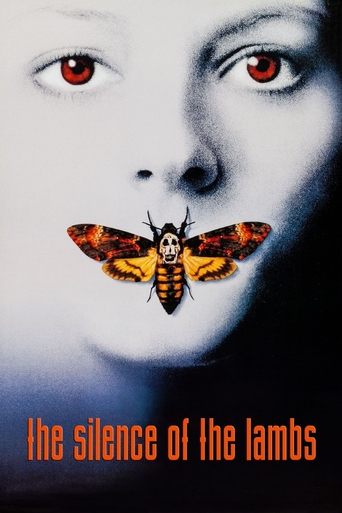
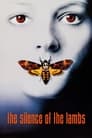
If Zodiac shows obsession as a slow burn, The Silence of the Lambs ignites it in a single, intense relationship. Clarice's psychological duel with Lecter is a masterclass in interiority, using close-ups and point-of-view to put us inside her head as she confronts both the killer and her own past.
Jonathan Demme's Oscar-winning thriller, with Jodie Foster as Clarice Starling, who seeks the help of imprisoned cannibal Hannibal Lecter to catch another serial killer.
The Silence of the Lambs → M
The Link
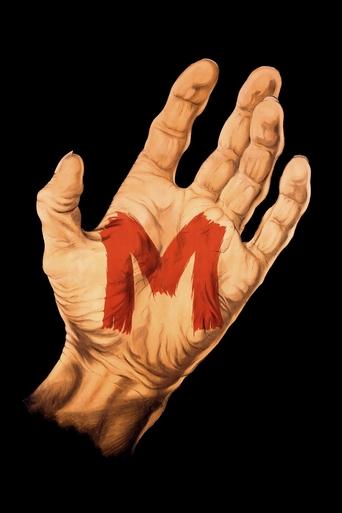
Demme's film owes a debt to Lang's, which pioneered the psychological portrait of a killer. M's use of sound, particularly the murderer's whistling, and its final, extraordinary trial scene, where the killer pleads his own pathology, remain a touchstone for every film that dares to enter a criminal's mind.
Fritz Lang's landmark thriller, with Peter Lorre as a child murderer hunted by both the police and the underworld in Weimar Berlin.
Related Chains
20 films
8 films
7 films
4 films
8 films
8 films
Explore
Log in to leave a comment.
No comments yet.