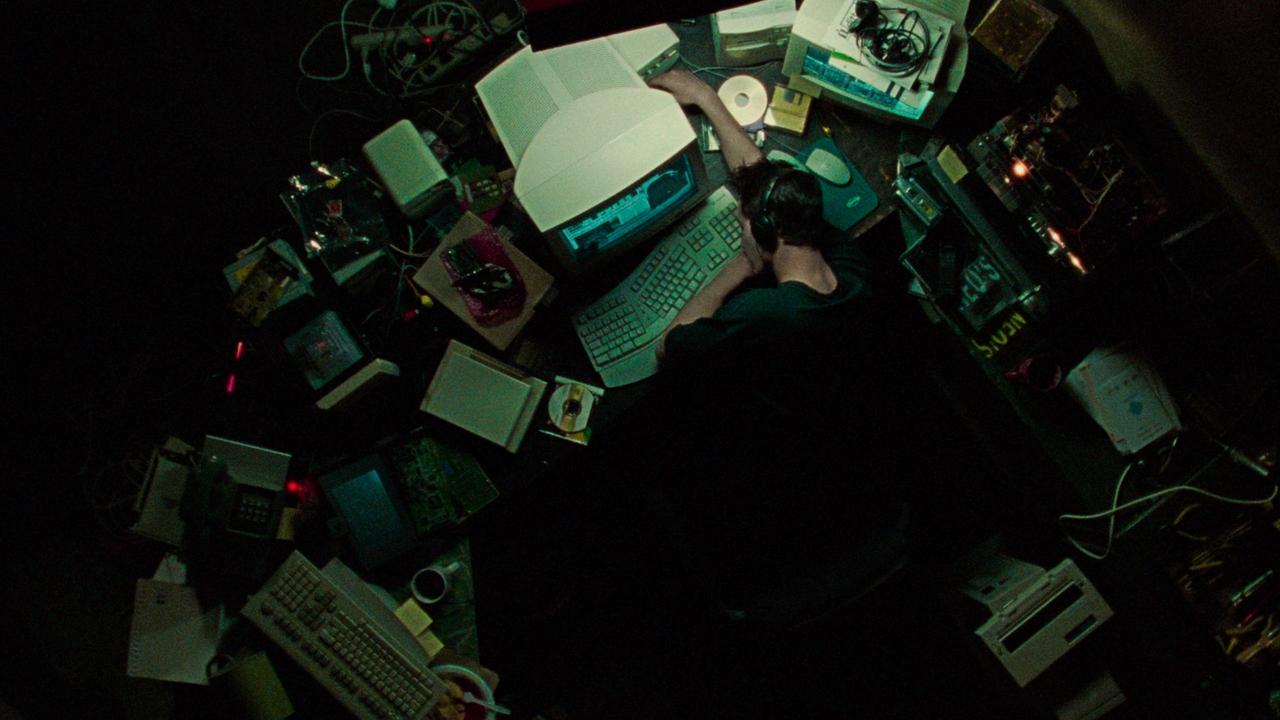
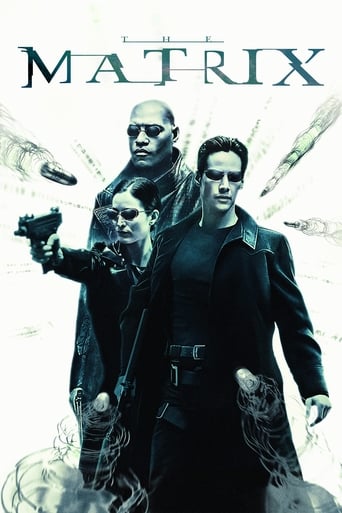
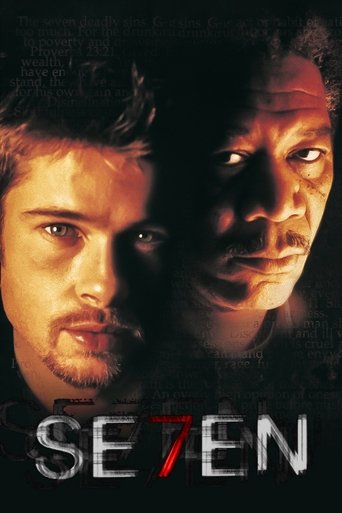
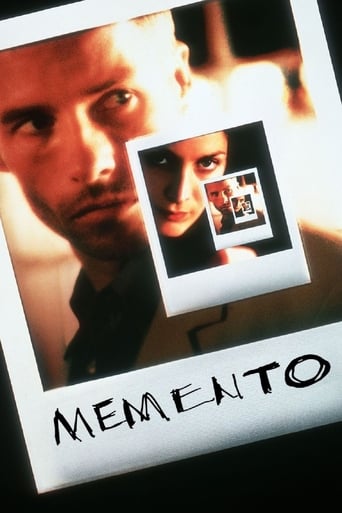
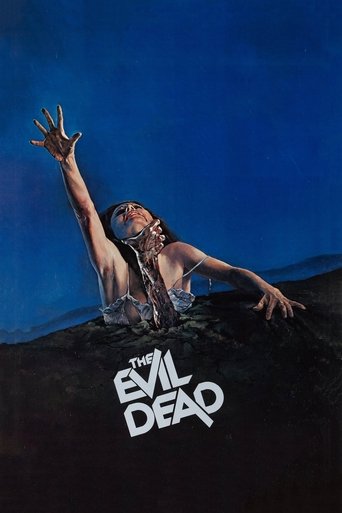
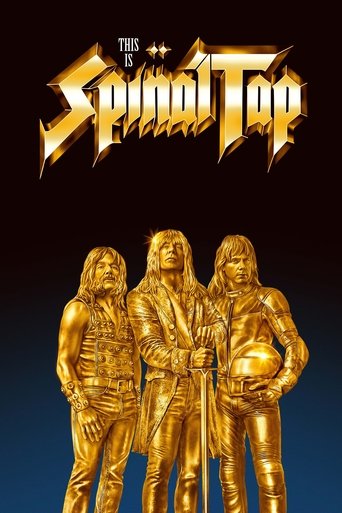
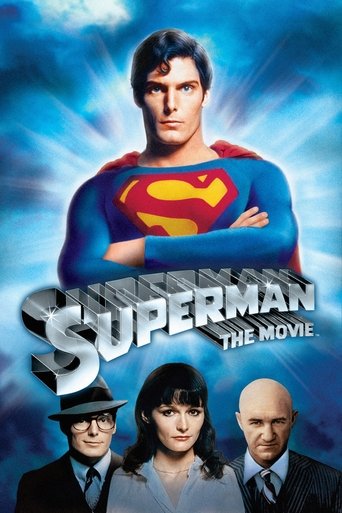
In the late 1990s, home video underwent a seismic shift driven by a double revolution: an unprecedented jump in technical quality, and an unprecedented access to the craft of filmmaking.
For decades, watching a film at home meant settling for VHS. Tapes offered around 240 lines of resolution, fuzzy magnetic playback, colour bleed, and cropped pan-and-scan aspect ratios that chopped off a third of the frame. DVD shattered that standard overnight. Delivering double the resolution, true anamorphic widescreen, and crisp 5.1 Dolby Digital audio, it brought actual theatrical clarity into the living room for the first time.
The shift happened with astonishing speed. Initially pitched as a slick, scratch-resistant alternative to VHS that saved you from rewinding, the format quickly evolved into something far more ambitious. Studios realised that film enthusiasts were not merely buying a movie; they were buying an entire archival retrospective.
This era transformed the casual viewer into an informed enthusiast. The great DVD boom demystified cinematic craft, turning directors, editors, and concept artists into household names. For a glorious decade, special editions were not just marketing gimmicks; they were comprehensive historical records, celebrating the art of cinema by inviting the audience directly into the workshop.