In the autumn of 1997, the first DVD players reached British shops, and the format arrived with a sales pitch that sounded like a dare: cinema in your living room. The hardware was expensive, the software library thin, and plenty of commentators predicted another Laserdisc, a niche toy for the well-heeled. What the sceptics missed was that DVD solved a problem VHS had never even acknowledged. It offered an anamorphic widescreen image that respected the director's framing, sound that could be routed through a proper amplifier, and a menu system that turned a film into a navigable object. For the first time, a British viewer could own a version of a film that looked and sounded closer to the cinema than to a rental cassette worn thin by a thousand previous hands.
The launch discs themselves were modest, often bare-bones transfers with little more than a trailer and a chapter list. The revolution came in the years that followed, as studios realised that the format's capacity could carry more than the film. Restored director's cuts, audio commentaries, deleted scenes, isolated scores, documentaries: DVD became a place where cinema history could be assembled and argued over. British collectors, who had grown up taping films off television and hunting down letterboxed VHS tapes, suddenly found themselves with a format that treated their passion as a serious pursuit rather than a guilty habit. The shelves of HMV and Virgin Megastore filled with special editions, and the phrase 'available for the first time' became a weekly temptation.
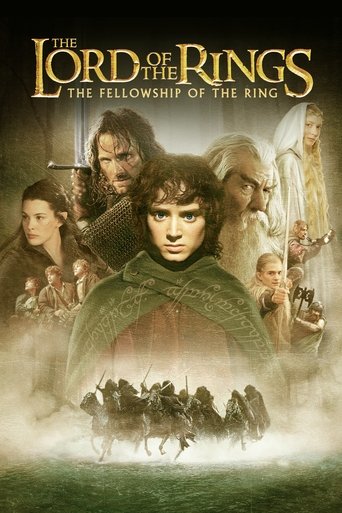
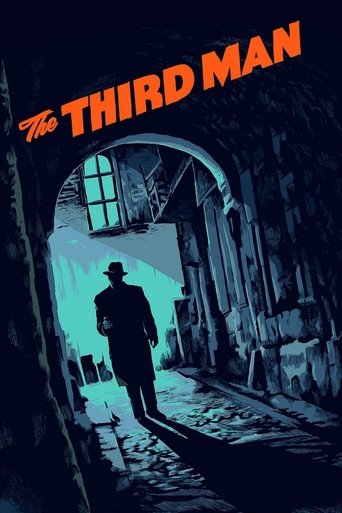
The chain below traces that education, from the disc that proved a director's cut could be a commercial event to the blockbuster that made 5.1 surround sound a household phrase. It is not a list of the biggest sellers, though some of them sold in extraordinary numbers. It is a sequence of releases that each advanced the medium in a specific way, whether through anamorphic enhancement, interactive menus, commentary tracks, or the multi-disc box set as a collector's object. Taken together, they show how quickly DVD moved from a delivery system to a cultural form, and how British viewers, in particular, embraced the idea that a film at home could be an event rather than a compromise.
What makes this journey worth taking now, as Blu-ray and streaming have absorbed and in some ways dissolved the collector's market, is that these discs represent a moment when the home viewer was treated as a curious adult. The commentary track invited you into the editing room. The restored cut asked you to consider that a film might have more than one life. The box set turned a trilogy into a weekend project. Streaming offers convenience, but it rarely offers the sense that a film has been cared for, annotated, and handed to you with an argument attached. These DVDs did exactly that, and the expectations they set still shape what we demand from a physical release today.
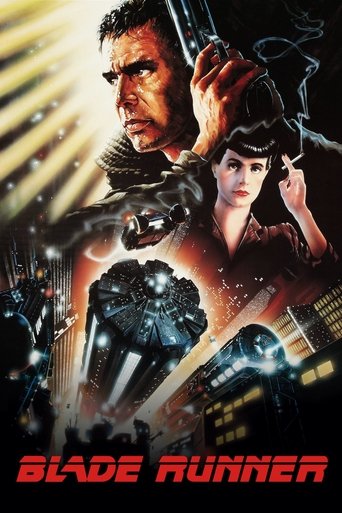
The chain begins with a science-fiction landmark that arrived in a special edition so thorough it changed the way studios thought about their back catalogues. From there it moves through a series of releases that each solved a different problem: how to present a film in its intended aspect ratio, how to make menus part of the experience, how to use sound as a storytelling tool, and how to package a franchise as a library. Some are canonical, others are the kind of disc that sat on a specialist shelf and rewarded the curious. All of them, in their way, answered the promise of 1997. Cinema in your living room was never just about the picture. It was about the sense that the living room could become a place of discovery.