The Long Goodbye
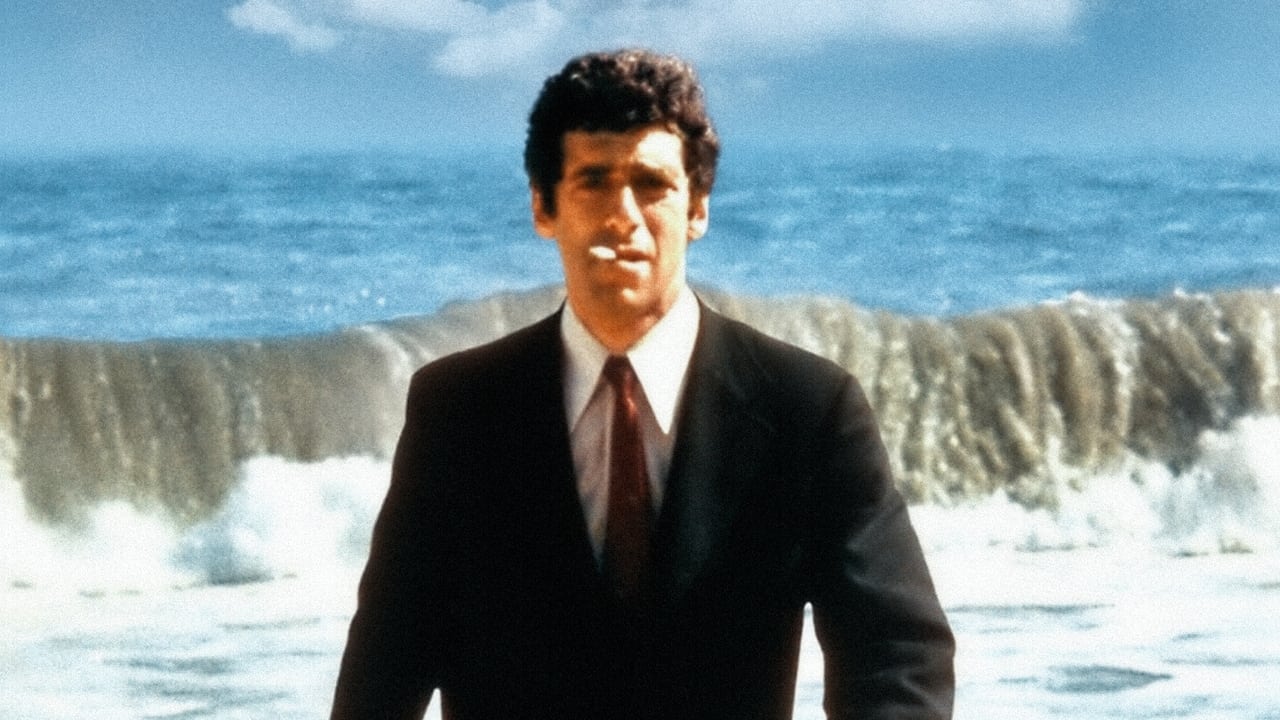
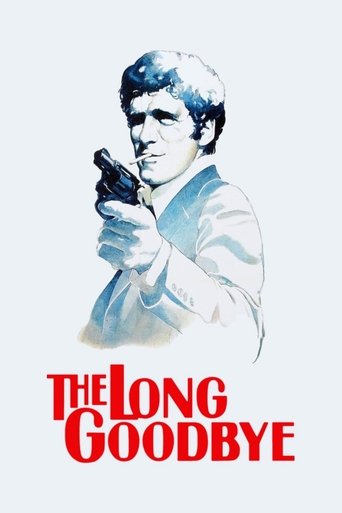
Robert Altman's sun-drenched reimagining of Raymond Chandler, with Elliott Gould as a shambling, wisecracking Marlowe who is more than a little lost in 1970s Los Angeles.
Chain
From the sun-bleached streets of Los Angeles to the fog-bound docks of Hamburg, these eight films turn the detective story inside out, leaving questions hanging like smoke. A global tradition of anti-mysteries that prize mood over solution.
There is a particular pleasure in a mystery that refuses to be solved. The detective film, in its purest form, promises order: a crime, a clue, a revelation. But a parallel tradition, running from the noir of the 1940s to the art-house of the 1970s and beyond, delights in breaking that promise. These are films where the investigator is less a solver than a witness, where the plot coils back on itself, and where the final frame leaves us with more questions than answers. This chain traces that lineage, from the existential shrug of Philip Marlowe to the silent drift of a Taiwanese master.
We begin with Robert Altman's The Long Goodbye, a film that reimagines Raymond Chandler's knight-errant as a man out of time, muttering to his cat and driving a car that is falling apart. Altman's Marlowe does not so much investigate as stumble through a Los Angeles of casual cruelty, and the film's famous ending, a radical departure from the novel, is a slap in the face to every expectation of justice. From there, we move to the other side of the world, to the paranoia of 1970s Japan, where the detective is a man drowning in his own memories, and the mystery is a hall of mirrors.
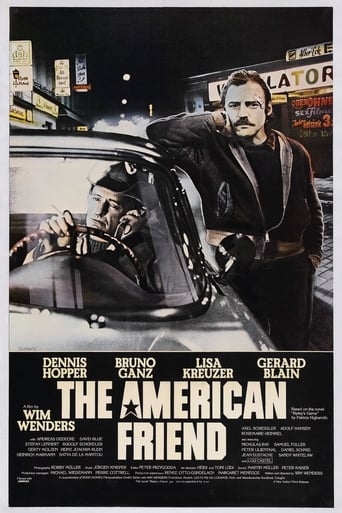
The chain then crosses the Atlantic to Europe, where the anti-mystery takes on a more philosophical and political cast. Michelangelo Antonioni's Blow-Up is less a whodunit than a meditation on perception itself: a photographer believes he has captured a murder on film, but the more he enlarges the image, the more it dissolves into grain. Wim Wenders's The American Friend, adapted from Patricia Highsmith, turns the genre into a study of male friendship and moral contamination, with Dennis Hopper's Tom Ripley as a grinning agent of chaos. These films are not about the answer; they are about the looking.
Our journey continues with a British oddity and a French enigma, both of which use the detective format to probe the nature of identity and memory. Then we arrive at the neo-noir of the 1980s and 1990s, where the unresolved ending becomes a badge of honour, a way of telling the audience that the world is not a puzzle to be solved but a fog to be navigated. Finally, we end in Taiwan, with a film that reduces the detective to a passive observer, a man who watches the rain and lets the mystery dissolve into the everyday. These eight films, made across four decades and three continents, form a loose school of anti-mysteries: works that honour the genre by dismantling it, and in doing so, tell a deeper truth about the impossibility of certainty.
Robert Altman's sun-drenched reimagining of Raymond Chandler, with Elliott Gould as a shambling, wisecracking Marlowe who is more than a little lost in 1970s Los Angeles.
The Long Goodbye → Pale Flower
The Link
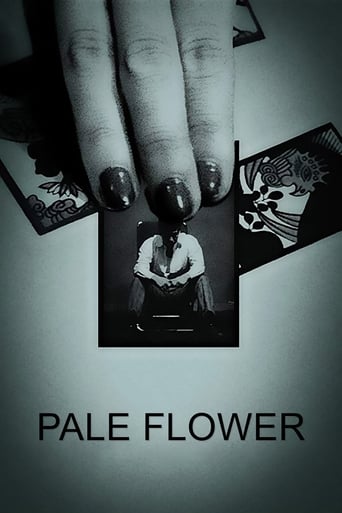
From Altman's off-kilter LA, we move to the stylised underworld of Tokyo. Both films share a protagonist who drifts through a world of moral decay, and both refuse to offer easy redemption or narrative closure.
A yakuza thriller that plays like a fever dream, following a hitman released from prison who becomes obsessed with a mysterious woman and a high-stakes card game.
Pale Flower → Blow-Up
The Link
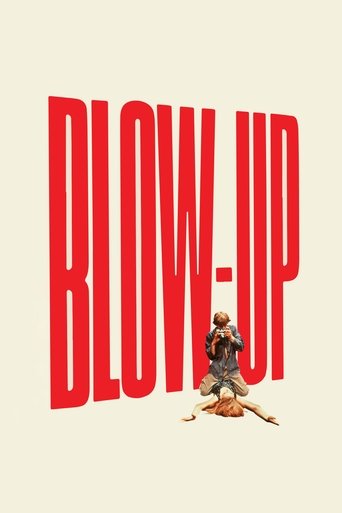
Pale Flower's dreamlike ambiguity finds a more intellectual counterpart in Blow-Up. Both films use a central investigation that leads nowhere, but where Shinoda's film is a hallucination, Antonioni's is a philosophical puzzle about the nature of seeing.
Michelangelo Antonioni's swinging London mystery, where a fashion photographer believes he has accidentally photographed a murder, only to find the evidence dissolving into abstraction.
Blow-Up → The American Friend
The Link
Blow-Up's photographer is an observer who becomes entangled; The American Friend's Jonathan Zimmermann is a man who is actively manipulated. Wenders takes the anti-mystery further, making the 'detective' a victim of a plot he can never fully grasp.
Wim Wenders's adaptation of Patricia Highsmith's Ripley novels, with Dennis Hopper as the amoral Tom Ripley and Bruno Ganz as a picture framer drawn into a murder plot.
The American Friend → The Long Day Closes
The Link
After the international intrigue of Wenders, we retreat to the intimate. Davies's film is not a detective story, but it shares the anti-mystery's refusal to resolve: the past is a series of moments that shimmer and fade, never to be fully grasped.
Terence Davies's autobiographical memory film, a lyrical portrait of a working-class Liverpool boy in the 1950s, where the 'mystery' is the elusive nature of childhood itself.
The Long Day Closes → Diva
The Link
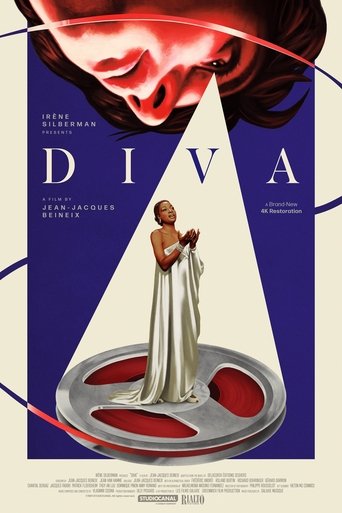
Where Davies's film is all interiority, Diva is a burst of pop-art energy. Yet both are concerned with the power of images and sounds to create meaning that is always slipping away. The postman's quest is a chase for a voice, not a truth.
Jean-Jacques Beineix's stylish French thriller about a young postman who becomes embroiled in a murder plot after secretly taping an opera singer's performance.
Diva → The Element of Crime
The Link
Diva's neon surfaces give way to von Trier's murky, apocalyptic Europe. Both films are neo-noirs that push the genre to its limits, but von Trier's is a nightmare of logic, where the detective's method becomes indistinguishable from the criminal's.
Lars von Trier's debut, a rain-soaked, dystopian noir where an investigator returns to Europe to solve a series of child murders, following the methods of his exiled former mentor.
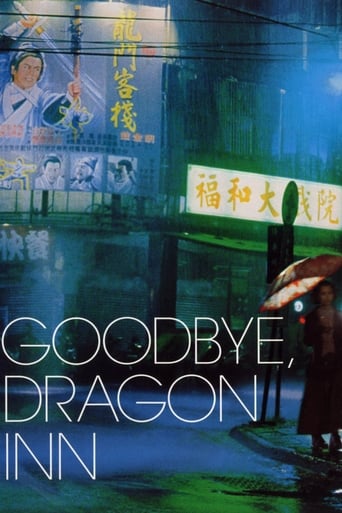
The Element of Crime → Goodbye, Dragon Inn
The Link
The Element of Crime's feverish investigation dissolves into Tsai's patient, almost silent observation. Here, the mystery is the cinema itself, and the film's final shot, a lingering look at a ghostly audience, offers no answers, only a profound sense of loss. It is the ultimate anti-mystery: a film about the impossibility of ever going back.
Tsai Ming-liang's elegiac portrait of a Taipei cinema on its last night, as a handful of patrons and staff drift through the decaying building, haunted by memories of the films that once played there.
Related Chains
Explore
Log in to leave a comment.
No comments yet.